





Lighting and Aesthetics for Productive Workstations
- Designing Workspaces That Boost Focus and Well-being
- Why lighting and aesthetics matter for office workstations
- Key lighting metrics every office workstation designer should track
- Practical measurement and verification
- Types of lighting and how they support productive office workstations
- Color, material, and texture: aesthetic levers for productive office workstations
- Design tip
- Ergonomics and visual comfort at office workstations
- Quantifying impact: productivity, health, and energy trade-offs
- Integrating furniture: how office workstations and fixtures work together
- Specification checklist for procurement teams
- Case study summary: practical retrofit approach for open-plan office workstations
- MEI YI Furniture: Custom solutions for office workstations
- How MEI YI supports lighting and aesthetic goals
- MEI YI product focus and competitive strengths
- Implementation roadmap: from concept to occupied office workstations
- Frequently Asked Questions (FAQ)
- 1. What is the ideal lux level for office workstations?
- 2. How does color temperature affect productivity at office workstations?
- 3. Can new lighting reduce energy costs without harming productivity?
- 4. How should furniture finishes be chosen to minimize glare?
- 5. Are there regulations or standards to follow for office lighting?
- 6. How do aesthetics influence recruitment and retention related to office workstations?
- Contact & Next steps
- References
Designing Workspaces That Boost Focus and Well-being
Why lighting and aesthetics matter for office workstations
Office workstations are more than desks and chairs; they are environments that directly influence employee productivity, health, and retention. Lighting quality and aesthetic choices (color, texture, finishes) affect visual comfort, circadian regulation, stress, and perceived professionalism. For facility managers, designers, and procurement teams, understanding measurable lighting parameters and design principles enables evidence-based decisions that improve output and reduce absenteeism.
Key lighting metrics every office workstation designer should track
When specifying lighting for office workstations, three measurable metrics are essential: illuminance (lux), color temperature (CCT, in Kelvin), and color rendering index (CRI). These metrics determine visibility, mood, and color fidelity for tasks such as reading, screen work, or collaborative whiteboard sessions.
- Illuminance (lux): Typical recommendations for general office tasks fall between 300–500 lux at the work plane for computer-based tasks; higher for detailed paperwork. Refer to local standards (e.g., EN 12464, IES guidance).
- Color temperature (CCT): 3000–4000K is commonly used in offices. Cooler light (~4000K) improves alertness for daytime tasks; warmer tones (~3000K) support relaxed activities.
- Color Rendering Index (CRI): Aim for CRI > 80 for accurate color perception; 90+ for design or hospitality-adjacent work where color fidelity matters.
Practical measurement and verification
Use a calibrated lux meter at the workstation's primary task plane (desk surface) to verify illuminance during commissioning. Re-check after any furniture or partition changes, since partitions and material finishes can reduce effective lux by 10–40% depending on reflectance.
Types of lighting and how they support productive office workstations
Layered lighting—ambient, task, accent—forms the backbone of effective office workstation design. Each layer serves a distinct role and should be coordinated with furniture and finishes.
| Lighting Type | Function | Recommended Lux | Pros / Cons |
|---|---|---|---|
| Ambient (general) | Overall illumination of space | 200–500 lux | Sets baseline; uniformity reduces eye strain. May be energy-heavy if not controlled. |
| Task lighting (desk lamps, integrated fixtures) | Focused light for reading/desk work | 300–700 lux at task plane | Improves visibility and reduces contrast; adjustable options increase individual comfort. |
| Accent / decorative | Highlights surfaces, adds aesthetic warmth | N/A (low lux) | Enhances perceived quality and branding; minimal effect on task visibility. |
| Daylight (natural) | Supports circadian health and mood | Variable (often >1000 lux near windows) | Most beneficial for well-being; requires glare control and shading strategies. |
Source standards and research recommend combining daylight with controllable electric lighting to maintain appropriate lux and limit glare. Automated dimming and zonal controls help balance energy use and user comfort.
Color, material, and texture: aesthetic levers for productive office workstations
Aesthetics are not merely decorative; they support cognition and organizational culture. Choices in color, material, and texture influence perceived spaciousness, stress levels, and creativity.
- Color strategy: Use muted neutrals (light grays, warm whites) for large surfaces to maximize reflected light and maintain visual calm. Reserve accent colors (teal, mustard, blue-green) at secondary elements to support brand identity and creativity.
- Material selection: Matte finishes reduce glare on horizontal surfaces, while wood and textile touches introduce warmth and acoustic dampening—especially important around office workstations to reduce cognitive load from noise.
- Texture and layering: A mix of soft textiles, acoustic panels, and natural wood grains improves perceived quality and employee satisfaction without increasing visual clutter.
Design tip
Match the finish reflectance of major surfaces to lighting design. High-reflectance ceilings (≥70%) help distribute ambient light, allowing lower overall installed power while maintaining target lux at desks.
Ergonomics and visual comfort at office workstations
Lighting and aesthetics must align with ergonomic standards for monitors, seating, and desk heights. Poorly coordinated setups increase glare, force awkward postures, and reduce productive time.
- Monitor placement: Position monitors perpendicular to windows where possible, and use blinds or diffusing glass to prevent direct glare.
- Adjustable task lighting: Provide user-adjustable luminaires with at least 300 lux at the document plane and dimming capability. This empowers individuals and reduces one-size-fits-all complaints.
- Acoustic considerations: Integrate soft finishes, screen-mounted acoustic panels, or floating ceiling baffles to reduce reverberation time in open-plan workstations.
Quantifying impact: productivity, health, and energy trade-offs
Organizations often ask: what ROI can lighting and aesthetic upgrades deliver for office workstations? Multiple studies and standards indicate measurable benefits:
- Daylight exposure and access to windows correlate with improved mood and up to a reported 10–25% performance uplift in certain cognitive tasks in controlled studies (see references).
- Task lighting and adjustable controls reduce visual fatigue complaints and can shorten error rates in precision tasks.
- Energy-efficient LED systems combined with controls (occupancy sensors, daylight dimming) typically reduce lighting energy use by 40–70% compared with legacy systems, offsetting retrofit costs over time.
| Metric | Expected change after lighting/aesthetic upgrade | Notes |
|---|---|---|
| Task performance | +5% to +25% | Depends on task type, daylight access, and control options. |
| Visual complaints (headache/eyestrain) | -30% to -60% | With improved glare control and task lighting. |
| Lighting energy consumption | -40% to -70% | LED + controls vs. fluorescent without controls. |
Actual results vary by context; pilot projects and post-installation measurement are recommended to validate ROI projections.
Integrating furniture: how office workstations and fixtures work together
Furniture selection is a primary lever to translate lighting and aesthetic strategy into usable spaces. The right desk, partition, and storage choices influence surface reflectance, sightlines, and how light distributes across workstations.
- Desk height and material: Choose matte, mid-tone surfaces to minimize specular reflections and maintain uniform light distribution.
- Partition height and translucency: Low partitions (≤1200 mm) allow daylight penetration; translucent screens can provide privacy without cutting daylight flow.
- Integrated lighting options: Desks and storage with built-in LED task modules offer clean aesthetics and localized control while reducing clutter.
Specification checklist for procurement teams
When issuing RFPs for office workstations, include these clauses:
- Target illuminance at desk plane (lux) and verification method.
- Required CCT and minimum CRI values for installed fixtures.
- Materials reflectance values for desk and ceiling finishes.
- Acoustic performance targets (e.g., NRC values) for screens and panels.
- Requirements for adjustable task lighting and user controls.
Case study summary: practical retrofit approach for open-plan office workstations
A typical retrofit that balances aesthetics and productivity includes: replacing legacy fluorescents with high-CRI LED troffers at 350 lux, adding adjustable desk lamps with dimming controls, installing motorized blinds for glare control, and introducing acoustic screens with fabric finishes. Post-retrofit occupant surveys often report improved comfort and perceived productivity; energy meters typically show a 50% reduction in lighting energy use.
MEI YI Furniture: Custom solutions for office workstations
MEI YI Furniture: Custom Furniture Manufacturer, with 16+ years of expertise, provides end-to-end furniture solutions that support lighting and aesthetic strategies for productive office workstations. MEI YI’s capabilities include design, production, and customization for offices, hotels, schools, healthcare, and public spaces. Their manufacturing facilities (25,000 m², 10+ advanced lines) and certifications (ISO, CE, FSC) enable factory-direct supply of high-quality products.
How MEI YI supports lighting and aesthetic goals
- Custom desk and panel finishes optimized for reflectance and anti-glare performance.
- Integrated task-light-ready desks and cable management to support clean aesthetics and ergonomic layouts.
- Acoustic partitions and soft-finish screens that balance sound control with daylight access.
- OEM/ODM services, free CAD/3D design, and a 5-year warranty to reduce procurement risk.
MEI YI product focus and competitive strengths
Main products: Office furniture, hotel furniture, school furniture. Key strengths that make MEI YI a strong partner for lighting- and aesthetic-driven projects:
- Full quality control—rigorous inspections from raw materials to finished products.
- Factory-direct value—with 20,000+ units/year capacity and multilingual teams to handle global projects.
- Technical capability—E1-grade eco-friendly materials and ISO/CE/FSC-certified manufacturing to meet sustainability and regulatory requirements.
MEI YI’s combination of production scale, design services, and warranty makes it well-suited for organizations seeking cohesive solutions where furniture decisions directly support lighting and workplace design objectives.
Implementation roadmap: from concept to occupied office workstations
- Audit: Measure current lux, CCT, glare sources, and surface reflectance at representative office workstations.
- Design: Develop a layered lighting plan aligned with material and color specifications for furniture and finishes.
- Pilot: Implement design in a pilot zone (10–15% of floor area) and run occupant surveys and metering for 4–8 weeks.
- Refine: Adjust fixture distribution, controls, and furniture choices based on pilot data.
- Rollout: Deploy across remaining office workstations with commissioning and post-occupancy evaluation.
Frequently Asked Questions (FAQ)
1. What is the ideal lux level for office workstations?
For standard computer-based tasks, aim for 300–500 lux at the desk plane. Increase to 500–700 lux for tasks requiring detailed paper-based work. Verify with a lux meter post-installation.
2. How does color temperature affect productivity at office workstations?
Cooler temperatures (~4000K) generally increase alertness and are good for daytime tasks. Warmer temperatures (~3000K) are better for relaxed or hospitality-style spaces. Use adjustable solutions where mixed activities occur.
3. Can new lighting reduce energy costs without harming productivity?
Yes. Upgrading to high-efficiency LEDs with zonal controls and daylight dimming typically cuts lighting energy use by 40–70% while improving lighting quality and thus supporting productivity.
4. How should furniture finishes be chosen to minimize glare?
Choose matte or low-gloss finishes for desk surfaces, mid-tone colors instead of pure white, and coordinated ceiling reflectance. Avoid highly reflective laminates on horizontal surfaces where direct light hits.
5. Are there regulations or standards to follow for office lighting?
Yes. Refer to local building codes and recognized standards such as EN 12464-1 (lighting of indoor workplaces) and guidelines from the Illuminating Engineering Society (IES). These provide target illuminance and uniformity parameters.
6. How do aesthetics influence recruitment and retention related to office workstations?
Well-designed workstations that combine good lighting and thoughtful aesthetics signal investment in employee well-being, improving job satisfaction and workplace attractiveness — factors linked to retention in multiple industry surveys.
Contact & Next steps
If you’re planning a retrofit or new fit-out for office workstations, MEI YI Furniture offers free CAD/3D design support and end-to-end production. Contact MEI YI to request a site assessment, pilot design, or product catalog and ensure your lighting and furniture decisions deliver measurable productivity and aesthetic benefits.
Request consultation / view products: Reach out to MEI YI Furniture for a customized proposal and sample materials to match your lighting and aesthetic strategy.
References
- Illuminating Engineering Society (IES). Website. https://www.ies.org/ (Accessed 2025-12-19)
- Harvard Health Publishing. Blue light has a dark side. https://www.health.harvard.edu/staying-healthy/blue-light-has-a-dark-side (Accessed 2025-12-19)
- WELL Building Standard (International WELL). https://www.wellcertified.com/ (Accessed 2025-12-19)
- Occupational Safety and Health Administration (OSHA). Lighting. https://www.osha.gov/SLTC/lighting/ (Accessed 2025-12-19)
- Heschong Mahone Group. Daylighting studies (1999). https://h-m-g.com/ (Accessed 2025-12-19)
- World Green Building Council. Health, Wellbeing & Productivity in Offices. https://www.worldgbc.org/news-media/health-wellbeing-productivity-office-spaces (Accessed 2025-12-19)
Technology Integration in Modern Office Workstations
Health & Productivity Metrics Linked to Workstations
ROI analysis: investing in contemporary office furniture for offices
Contemporary reception area furniture ideas
Service
Why choose us?
A. Business Type: Furniture Manufacture,Production and export trade experience: Over 15 years Factory area:10000 + square meters Member:>100 staffs Design Team: Minimum 20 pax to organize
B.Customization: Welcome to OEM and ODM or Project.
C.Delivery:15days for 20GP, 25days for 40HQ.
D. Testing center is available in our factory, and regularly through national authoritative organization authoritative authentication, ensure that each product is qualified. E.Competitive price from factory directly.
ls there cheap shipping cost to import to our country?
For small order,express will be best. And for bulk order,sea ship way is best but take much time; For urgent orders,we suggest via air to airport plus our ship partner send to your door. When we calculate the freight for you, we will choose the cheapest,safest express company. lt is the freight company that asks us to pay, so we can not make it cheaper. lf you have your own agent in China, we can send the package to your agent.
What's your products range?
1.Whether you need office furniture, home furniture, hotel furniture, school furniture.or special custom furniture products, we can meet your requirements.
2.-Products including office table, office chair, office filing cabinet, office workstation,Office sofa, office reception ,office conference room and so on, Simple Leisure Sets etc.
Can you handle small orders ?
Of course, in order to support clients' business, We also take small orders.
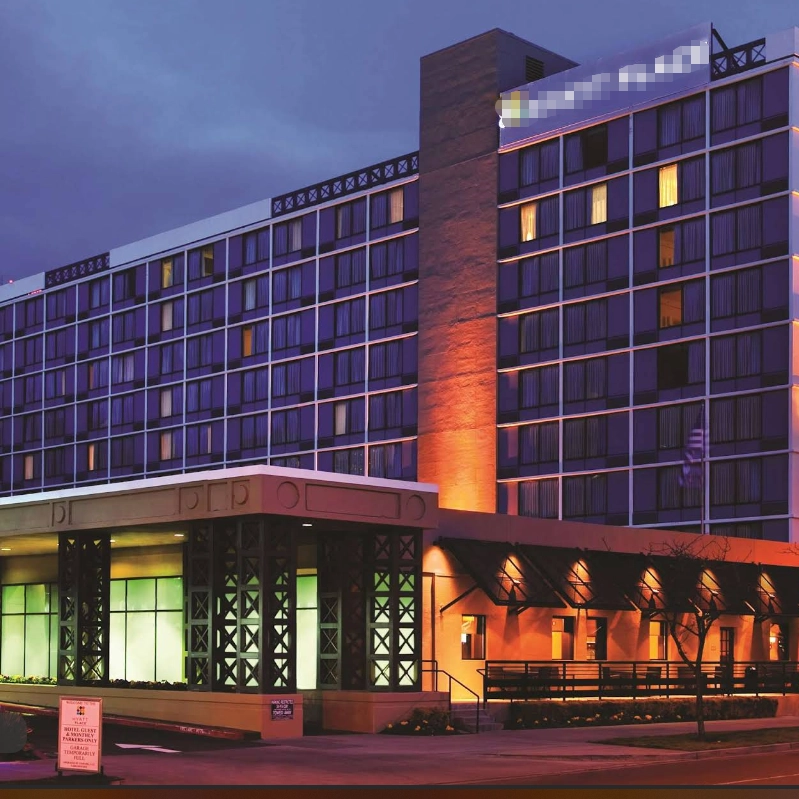
MEIYI Hotel Full-House Custom Furniture Solutions
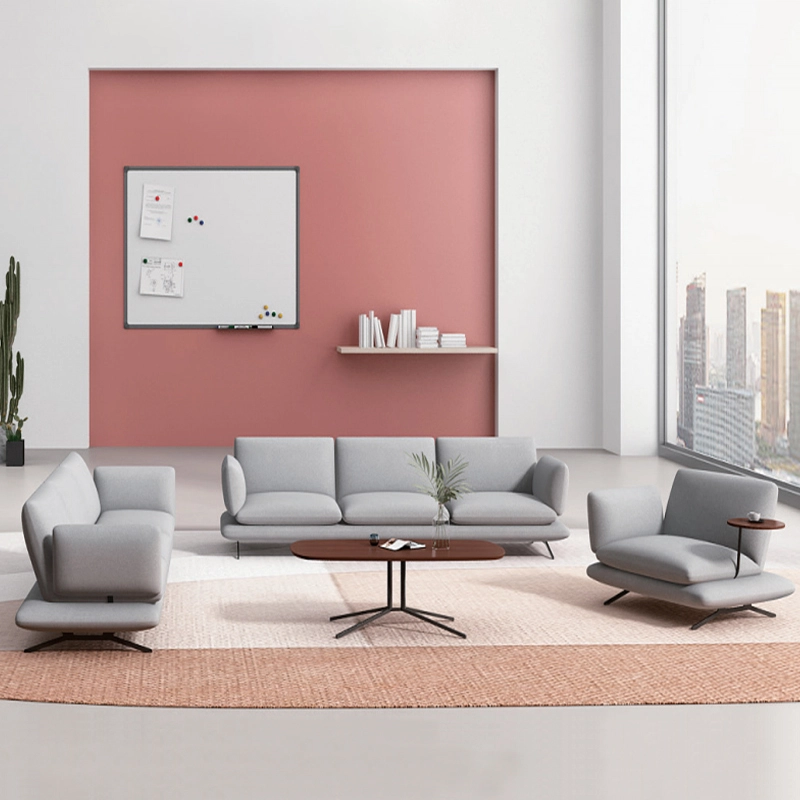
Modern Office Waiting Sofa Set Comfortable Lounge Seating
Customizable sofas, featuring a teddy fabric cover that's durable and stain-resistant. Customizable sizes are also available. This sofa features a sturdy frame and high-quality materials, making it suitable for everyday use. Its versatile design makes it ideal for living rooms, apartments, lounge areas, and even cozy reading nooks. It's more than just a sofa; it's a statement piece for stylish and intelligent living.
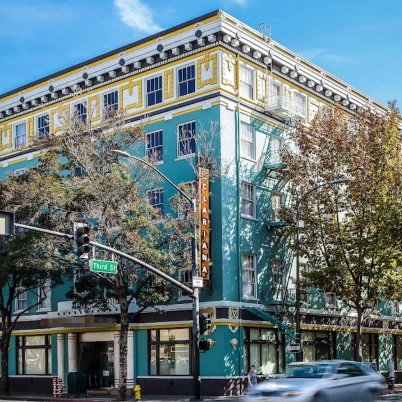
MEI YI Furniture × Hotel: Custom Furniture Empowers the Quality Upgrade of a National Hotel Brand
MEI YI Furniture partners with Hotel to deliver custom hotel furniture that combines high-efficiency and durability. This collaboration elevates the quality of a national hotel brand, showcasing MEI YI’s expertise in crafting tailored, long-lasting solutions for High Quality hospitality spaces.
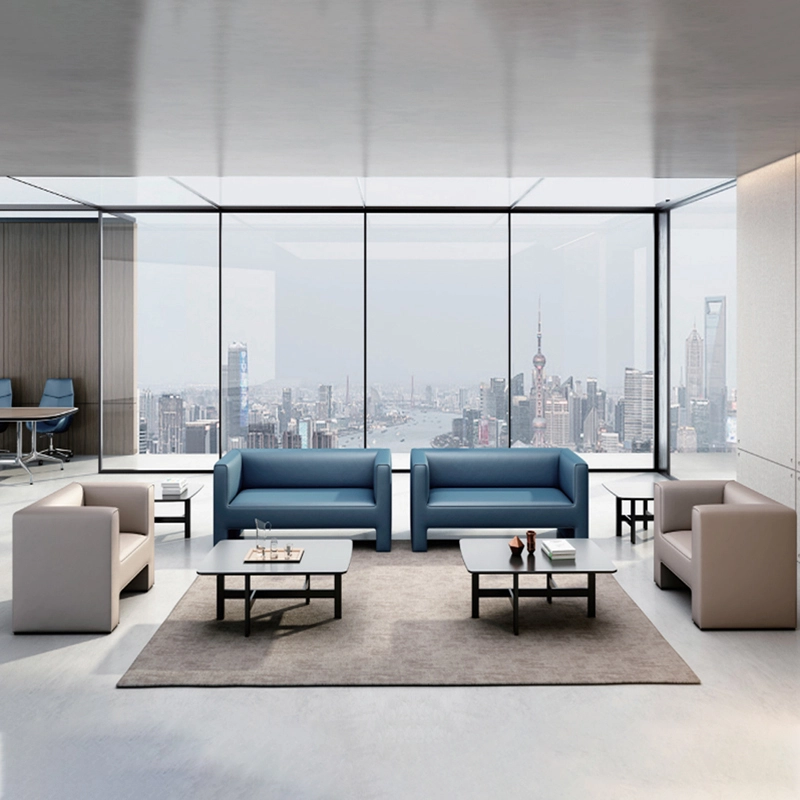
High Quality Wholesale Custom Furniture Waiting Sofa Modern Leisure Sofa
Customizable sofas, featuring a artificial leather cover that's durable and stain-resistant. Customizable sizes are also available. This sofa features a sturdy frame and high-quality materials, making it suitable for everyday use. Its versatile design makes it ideal for living rooms, apartments, lounge areas, and even cozy reading nooks. It's more than just a sofa; it's a statement piece for stylish and intelligent living.
Want to get more of our articles?
Contact one of our sales representatives or fill out this form.
MEI YI Furniture provides a one-stop service for the design, manufacturing, and customization of office, hotel, and school furniture.
Contact: Asya
Email: asya@myofficefurniture.com.cn
WhatsApp: +86 134 2216 1319
Address: No. 25, Nan Street, Jinpan, Zhongluotan Town, Baiyun District, Guangzhou, China.
Whatsapp: +8613422161319
Fackbook
Instagram
YouTube