





ROI analysis: investing in contemporary office furniture for offices
- Why contemporary office furniture is a business investment, not a cost
- Business drivers behind the purchase
- Employee wellbeing and measurable performance gains
- Brand perception, space utilization and operational efficiency
- How to calculate ROI for contemporary office furniture
- Identify and quantify costs
- Quantify benefits — productivity, absenteeism, retention, space savings
- Financial metrics: payback period, NPV, and ROI
- Design choices that maximize ROI
- Ergonomics and sit–stand options
- Modularity and flexibility
- Durable, sustainable materials
- Sample ROI model and comparative table
- Illustrative 5-year ROI scenario (100 employees)
- Comparative cost and lifecycle table
- Procurement, implementation and vendor selection best practices
- Vendor capabilities and verification
- Pilot, measure, iterate
- Maintenance, warranty and lifecycle planning
- MEI YI Furniture: delivering ROI through quality manufacturing and end-to-end services
- Who we are and core strengths
- How MEI YI supports ROI objectives
- Products and solutions aligned with office ROI
- Key takeaways and implementation checklist
- FAQs
- 1. What is the typical payback period for contemporary office furniture?
- 2. How do I measure productivity gains from furniture changes?
- 3. Are ergonomic and sit–stand desks worth the extra cost?
- 4. How important are certifications like ISO, CE, and FSC?
- 5. Can modular furniture actually reduce real estate costs?
- 6. How should I choose between local dealers and factory-direct manufacturers?
- Contact & next steps
- References
Why contemporary office furniture is a business investment, not a cost
Business drivers behind the purchase
Companies today evaluate office fit-out decisions against long-term business goals: talent attraction and retention, productivity optimization, flexible work models, and corporate sustainability targets. Contemporary office furniture—characterized by modularity, ergonomic design, durable materials, and integrated technology—addresses these drivers by enabling adaptable spaces, lowering lifecycle costs, and strengthening employer brand perception.
Employee wellbeing and measurable performance gains
Furniture choices directly affect employee comfort, musculoskeletal health, concentration, and collaboration. Ergonomic and flexible furniture reduce discomfort and return-to-work time. Multiple industry reports and manufacturer-backed studies indicate workplace design improvements can produce measurable productivity or engagement gains; results vary by context but are consistently positive when design choices align with job tasks and user needs (see References).
Brand perception, space utilization and operational efficiency
Contemporary furniture helps companies use space more efficiently—supporting touchdown zones, collaboration clusters, and quiet focus areas—reducing the need for excess square footage. Efficient space planning can reduce real estate costs or delay expansions, adding another tangible ROI stream.
How to calculate ROI for contemporary office furniture
Identify and quantify costs
Direct costs include purchase price, delivery, installation, and refurbishment/disposal. Indirect costs include downtime during installation and training for any new systems. Lifecycle thinking is key: contemporary, higher-quality pieces often have longer useful life and lower maintenance, which reduces total cost of ownership (TCO).
Quantify benefits — productivity, absenteeism, retention, space savings
Benefits can be quantified as reduced absenteeism, productivity uplift (measured as output per FTE), lower recruitment/turnover costs, space cost savings (rent/occupancy per m²), and reduced health claims. Use conservative, evidence-based estimates and track KPIs pre- and post-implementation to refine models.
Financial metrics: payback period, NPV, and ROI
Common metrics:
- Payback period = Initial investment / Annual net benefit
- ROI (%) = (Net benefit over period - Investment) / Investment × 100%
- NPV = Sum(Discounted net benefits) − Investment
Choose a timeframe aligned with furniture lifespan (typically 7–12 years for quality office systems; see References). Discount future benefits to present value when comparing long-term scenarios.
Design choices that maximize ROI
Ergonomics and sit–stand options
Ergonomic seating and adjustable desks reduce discomfort and can lower short-term absenteeism and long-term health claims. Sit–stand desks and monitor arms support movement and can reduce sedentary time—improving wellbeing. Select systems with proven adjustability ranges and reliable electric or manual mechanisms to avoid early failures.
Modularity and flexibility
Modular furniture that can be reconfigured supports changing headcount and hybrid-work models without wholesale replacement. Flexibility reduces future capital expenditure and speeds space reconfiguration, increasing the effective utilization of existing real estate assets.
Durable, sustainable materials
Investing in higher-grade materials (e.g., E1-grade boards, certified steel components, durable upholstery) reduces maintenance and replacement cycles. Sustainability certifications (FSC, ISO standards) both support CSR goals and often translate into better resale or refurbishment value.
Sample ROI model and comparative table
Illustrative 5-year ROI scenario (100 employees)
Below is an illustrative scenario for a 100-employee office replacing standard desks/chairs with a contemporary solution (ergonomic chairs, adjustable sit–stand desks, collaborative furniture). Numbers are examples based on conservative estimates and referenced benefit ranges. Actual outcomes depend on company-specific data.
| Item | Assumption / Unit | Value |
|---|---|---|
| Employees | Headcount | 100 |
| Cost per ergonomic workstation | USD | $1,200 (desk + chair + accessories) |
| Total initial investment | USD | $120,000 |
| Estimated productivity uplift | % of salary (conservative) | 1.5% |
| Average fully loaded salary | USD/year | $60,000 |
| Annual productivity value | USD | 100 × $60,000 × 1.5% = $90,000 |
| Absenteeism reduction value | USD/year (conservative) | $10,000 |
| Space savings (deferred expansion) | USD/year | $15,000 |
| Total annual benefit | USD | $115,000 |
| Payback period | Years | $120,000 / $115,000 ≈ 1.04 years |
Note: The model above is illustrative. Productivity uplift assumptions should be validated with baseline productivity metrics and a pilot program. Even modest uplifts (0.5%–2%) can yield short payback when headcount and salary bases are large.
Comparative cost and lifecycle table
| Type | Unit cost | Expected lifespan | Maintenance | Best for |
|---|---|---|---|---|
| Contemporary ergonomic systems | High ($800–$1,500) | 8–12 years | Low–medium | Long-term HQs, retention-focused employers |
| Basic office furniture (budget) | Low ($200–$600) | 3–6 years | High (replacement) | Short-term occupancy, temporary setups |
| Modular/shared/flexible systems | Medium ($500–$1,000) | 6–10 years | Medium | Hybrid/hotelling workstyles |
Procurement, implementation and vendor selection best practices
Vendor capabilities and verification
Choose suppliers with proven manufacturing quality, certifications (ISO, CE, FSC when relevant), and capacity to support customization and after-sales. Factory inspections, references from similar projects, and warranty terms are essential. Verify production capacity and quality controls to avoid lead-time and defect risks.
Pilot, measure, iterate
Run a pilot with a subset of teams to measure baseline metrics (productivity, absenteeism, space utilization, employee satisfaction). Use quantitative and qualitative feedback to refine specifications before full deployment.
Maintenance, warranty and lifecycle planning
Negotiate clear warranties and service-level terms for repairs and spare parts. Plan for periodic maintenance and a refurbishment budget; quality furniture can be reupholstered or upgraded, extending useful life and improving TCO.
MEI YI Furniture: delivering ROI through quality manufacturing and end-to-end services
Who we are and core strengths
MEI YI Furniture: Custom Furniture Manufacturer brings 16+ years of expertise designing and manufacturing High Quality furniture for offices, hotels, schools, healthcare, and public spaces worldwide. With a 25,000 m² factory, 100+ professionals, and 10+ advanced production lines, MEI YI provides factory-direct value and full quality control from raw material inspection through final inspection.
How MEI YI supports ROI objectives
Key capabilities that improve ROI:
- Factory-direct pricing and OEM/ODM flexibility reduce procurement margins and allow tailored solutions that avoid overbuying standard components.
- ISO/CE/FSC certifications and use of E1-grade eco-friendly materials reduce regulatory and environmental risk and support corporate sustainability goals.
- 5-year warranty, free CAD/3D design, and rigorous QC minimize post-installation costs and downtime.
- Capacity of 20,000+ units/year ensures on-time delivery for large rollouts.
Products and solutions aligned with office ROI
MEI YI’s main office offerings—ergonomic office furniture, modular workstations, collaborative seating, and durable storage—are engineered for long life and easy reconfiguration. Specific strengths for office projects include steel and wood customization, rapid prototyping, multilingual project management, and end-to-end support from design through after-sales.
Choosing a partner like MEI YI reduces risk, shortens payback, and improves lifecycle outcomes—key ingredients for realizing the ROI of contemporary office furniture investments.
Key takeaways and implementation checklist
- Frame the investment as a multi-year business decision: evaluate productivity, retention, and space efficiency alongside purchase price.
- Use pilots and data to validate benefit assumptions before full rollout.
- Prioritize ergonomics, modularity, and certified materials to maximize lifespan and reduce TCO.
- Select manufacturers with quality certifications, proven capacity, warranty coverage, and design support (e.g., CAD/3D).
- Track KPIs (productivity, absenteeism, space utilization, employee satisfaction) and update ROI models post-implementation.
FAQs
1. What is the typical payback period for contemporary office furniture?
Payback commonly ranges from under 1 year to 3 years depending on company size, salary base, and realized productivity gains. Use pilot data and conservative assumptions for your context.
2. How do I measure productivity gains from furniture changes?
Combine objective KPIs (output per FTE, turnaround times, space utilization) with surveys on perceived concentration and comfort. Pre/post measures and control groups in a pilot help isolate effects.
3. Are ergonomic and sit–stand desks worth the extra cost?
When aligned with job tasks and accompanied by user education, ergonomic and sit–stand solutions reduce discomfort and can deliver ROI through reduced presenteeism and absenteeism. Evaluate durability and warranty when choosing models.
4. How important are certifications like ISO, CE, and FSC?
Certifications indicate standardized quality, safety, and sustainability practices. They reduce procurement risk, support compliance, and can be important for public or international projects.
5. Can modular furniture actually reduce real estate costs?
Yes. Flexible layouts and reconfigurable systems can increase desk-density or support hotelling, delaying expansion and reducing per-employee space costs. Quantify potential savings by modeling different utilization scenarios.
6. How should I choose between local dealers and factory-direct manufacturers?
Local dealers offer service convenience and staging; factory-direct manufacturers (with international logistics and project teams) often provide better price-to-quality and customization. Evaluate total landed cost, lead time, and warranty service plans.
Contact & next steps
To evaluate potential ROI for your office project and request tailored CAD/3D designs or a pilot program, contact MEI YI Furniture: Custom Furniture Manufacturer. Our team can provide a project-specific ROI model, sample kits, and a formal quotation to support procurement decisions.
References
- BIFMA — Business and Institutional Furniture Manufacturers Association. Standards and guidance on furniture lifecycle and safety. https://www.bifma.org/ (accessed 2026-01-06)
- Steelcase Research — Workplace design and ergonomics insights. https://www.steelcase.com/research/ (accessed 2026-01-06)
- GSA — U.S. General Services Administration, workplace design guidance and federal standards. https://www.gsa.gov/real-estate/design-construction/workplace-design (accessed 2026-01-06)
- Harvard T.H. Chan School of Public Health — Research and articles on sedentary behavior and workplace health. https://www.hsph.harvard.edu/ (accessed 2026-01-06)
- ISO — International Organization for Standardization, certification information. https://www.iso.org/ (accessed 2026-01-06)
- FSC — Forest Stewardship Council, chain-of-custody and wood product certification. https://fsc.org/ (accessed 2026-01-06)
- McKinsey / HBR articles on office design and employee performance (searchable content on respective sites). Harvard Business Review: articles on workplace strategy and productivity. https://hbr.org/ (accessed 2026-01-06)
Tech-Friendly Desks 2026: Cable Management & Device Stands
Health & Productivity Metrics Linked to Workstations
Ergonomics 2026: How to Choose the Right Home-Office Chair
Wholesale writing desk manufacturer and supplier
Service
What's your products range?
1.Whether you need office furniture, home furniture, hotel furniture, school furniture.or special custom furniture products, we can meet your requirements.
2.-Products including office table, office chair, office filing cabinet, office workstation,Office sofa, office reception ,office conference room and so on, Simple Leisure Sets etc.
ls there cheap shipping cost to import to our country?
For small order,express will be best. And for bulk order,sea ship way is best but take much time; For urgent orders,we suggest via air to airport plus our ship partner send to your door. When we calculate the freight for you, we will choose the cheapest,safest express company. lt is the freight company that asks us to pay, so we can not make it cheaper. lf you have your own agent in China, we can send the package to your agent.
Why choose us?
A. Business Type: Furniture Manufacture,Production and export trade experience: Over 15 years Factory area:10000 + square meters Member:>100 staffs Design Team: Minimum 20 pax to organize
B.Customization: Welcome to OEM and ODM or Project.
C.Delivery:15days for 20GP, 25days for 40HQ.
D. Testing center is available in our factory, and regularly through national authoritative organization authoritative authentication, ensure that each product is qualified. E.Competitive price from factory directly.
Can you handle small orders ?
Of course, in order to support clients' business, We also take small orders.

MEIYI Hotel Full-House Custom Furniture Solutions
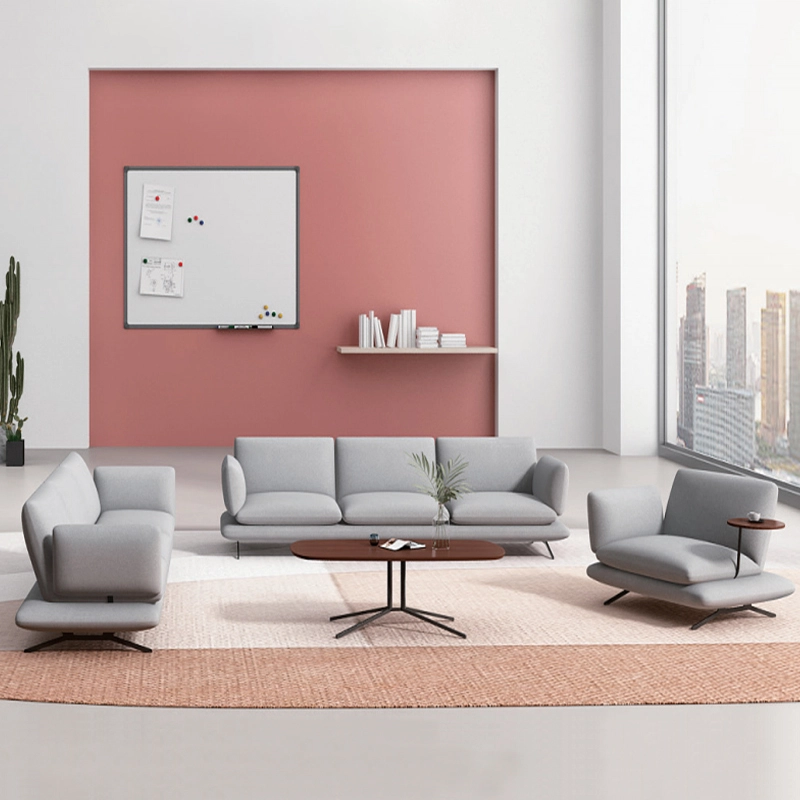
Modern Office Waiting Sofa Set Comfortable Lounge Seating
Customizable sofas, featuring a teddy fabric cover that's durable and stain-resistant. Customizable sizes are also available. This sofa features a sturdy frame and high-quality materials, making it suitable for everyday use. Its versatile design makes it ideal for living rooms, apartments, lounge areas, and even cozy reading nooks. It's more than just a sofa; it's a statement piece for stylish and intelligent living.

MEI YI Furniture × Hotel: Custom Furniture Empowers the Quality Upgrade of a National Hotel Brand
MEI YI Furniture partners with Hotel to deliver custom hotel furniture that combines high-efficiency and durability. This collaboration elevates the quality of a national hotel brand, showcasing MEI YI’s expertise in crafting tailored, long-lasting solutions for High Quality hospitality spaces.
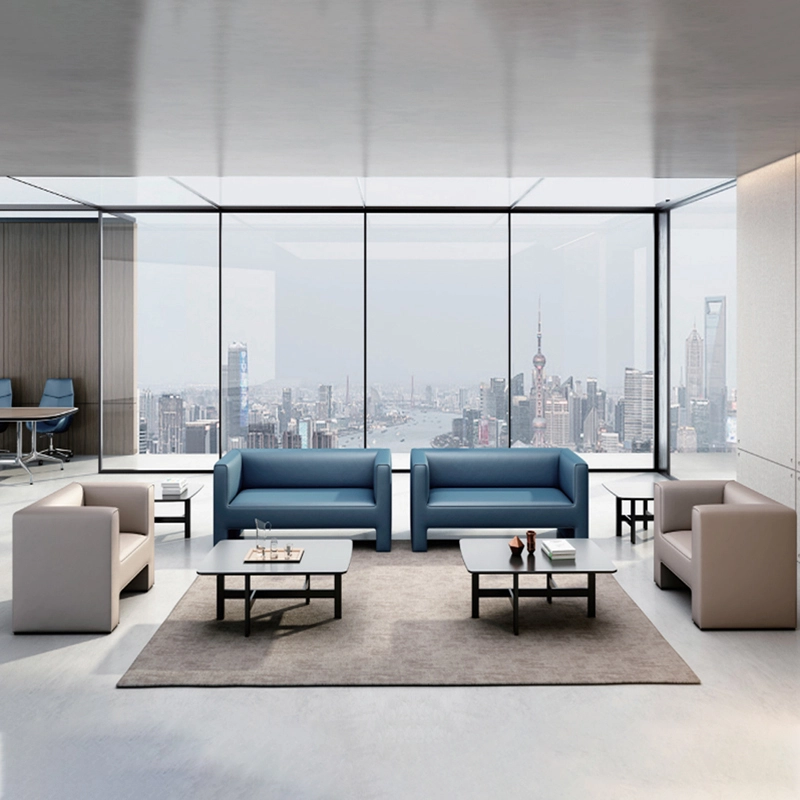
High Quality Wholesale Custom Furniture Waiting Sofa Modern Leisure Sofa
Customizable sofas, featuring a artificial leather cover that's durable and stain-resistant. Customizable sizes are also available. This sofa features a sturdy frame and high-quality materials, making it suitable for everyday use. Its versatile design makes it ideal for living rooms, apartments, lounge areas, and even cozy reading nooks. It's more than just a sofa; it's a statement piece for stylish and intelligent living.
Want to get more of our articles?
Contact one of our sales representatives or fill out this form.
MEI YI Furniture provides a one-stop service for the design, manufacturing, and customization of office, hotel, and school furniture.
Contact: Asya
Email: asya@myofficefurniture.com.cn
WhatsApp: +86 134 2216 1319
Address: No. 25, Nan Street, Jinpan, Zhongluotan Town, Baiyun District, Guangzhou, China.
Whatsapp: +8613422161319
Fackbook
Instagram
YouTube