





How are prices determined for custom home furniture?

- 1. How do manufacturers calculate per-unit material cost for a custom solid-wood dining table (including waste, kiln drying, and grading)?
- 2. What hidden charges should I expect beyond the quoted price for custom upholstered sofas (covers, cushioning, sectional modularity, transport and installation)?
- 3. How does order quantity and factory MOQ affect pricing and lead times for custom kitchen cabinets?
- 4. How are design revisions, engineering drawings, and prototype samples priced in the custom furniture manufacturing process?
- 5. How do certifications (FSC, CARB, GREENGUARD) and sustainable materials change the price structure for custom home furniture?
- 6. How to compare quotes fairly between a local workshop and an overseas manufacturer for made-to-order bedroom sets?
- Concluding summary — Advantages of custom home furniture
How Are Prices Determined for Custom Home Furniture? A Manufacturer's Guide
As a furniture manufacturer and industry consultant, this article answers six frequently asked, under-explained pricing questions beginners face when ordering custom home furniture. It embeds practical cost formulas, inspection checkpoints, and negotiation tactics so buyers can evaluate quotes fairly and avoid hidden costs. For a tailored quote, contact us at www.meiyifurnishing.com or email asya@myofficefurniture.com.cn.
1. How do manufacturers calculate per-unit material cost for a custom solid-wood dining table (including waste, kiln drying, and grading)?
Manufacturers calculate per-unit material cost by converting the finished item into raw-material units (board feet, square feet of veneer, linear meters of edge band, etc.), adding a waste factor, and then applying current raw-material unit prices plus material-processing charges (kiln drying, grading, machining). To estimate accurately, follow these steps:
- Break the finished table into material components: top (solid planks or veneer), apron, legs, glue, fasteners, adhesives, and finish materials.
- Convert each component into buying units: e.g., top = X board feet of lumber; apron = Y board feet; legs = Z linear meters if turned or X board feet if carved.
- Add a waste factor: 8–20% depending on complexity and yield (higher for figured grain or narrow planks).
- Include processing High Qualitys: kiln-drying (charged per cubic meter or percent surcharge), grading/selection High Quality (higher-grade boards cost more), and machining losses.
- Apply current supplier unit prices to the adjusted quantities.
Example (simplified):
| Finished table top | 40 board feet required |
| Waste factor | 15% → 46 board feet purchased |
| Raw material unit price (example) | $10 / board foot |
| Material subtotal | 46 × $10 = $460 |
| Kiln-dry & grading surcharge | +$60 |
| Veneer/edge, fasteners, glue | +$40 |
| Material cost (example) | $560 |
Note: This example uses placeholder unit prices for demonstration. Actual unit prices vary by wood species (oak vs. walnut vs. teak), regional supply, and certification (FSC-certified wood commands High Qualitys). Use current supplier quotes and local waste percentages for precise estimates.
2. What hidden charges should I expect beyond the quoted price for custom upholstered sofas (covers, cushioning, sectional modularity, transport and installation)?
Many buyers receive a base quote and later find extra fees for elements they assumed were included. Understand these common add-ons so you can compare quotes apples-to-apples:
- Fabric yardage and pattern repeat: high-repeat patterned or directional fabrics require extra yardage. Ask for yardage calculations per seat and whether the factory charges for pattern matching.
- Seat construction and foam specification: high-resilience (HR) foam, down wrap, and pocket coils cost more; quotes must specify density (e.g., 35–45 kg/m3) and spring type. Cushion cores are often quoted separately.
- Additional modules and connectors: sectionals usually have per-module pricing and hardware for interlocking modules; shipping/packaging for bulky sectionals can be significantly higher.
- Removable covers vs. fixed upholstery: removable, zippered covers add labor and hardware costs; cleaning finishes (stain-resistant treatments) add material costs.
- Transportation, delivery, and installation: quote terms (EXW, FOB, CIF, DDP) determine who pays shipping, customs, and final-mile installation/lift costs. For large sofas, white-glove delivery and in-home assembly are often extra.
- Disposal and site access surcharges: narrow staircases, elevator permits, or required on-site disassembly can be billed as extras.
Checklist to avoid surprises: require a written breakdown showing fabric yardage, cushion specs, modular counts, delivery terms (Incoterm), and any site-specific fees.
3. How does order quantity and factory MOQ affect pricing and lead times for custom kitchen cabinets?
MOQ (minimum order quantity) and order volume are major levers to lower per-unit cost but also interact with lead time and cash flow. Key points:
- Fixed setup costs (cutting programs, CNC tooling, finishing runs) are amortized across the order. Higher quantities reduce per-unit shares of these fixed costs.
- Material buys: some suppliers offer tiered pricing for plywood/melamine panels; ordering larger volumes can unlock discounts and reduce per-cabinet material cost.
- Lead time effects: larger jobs may extend production queues; however, factories often prioritize larger, steady-production runs. Expect lead times to scale with complexity and factory capacity—typical custom cabinets: 4–12+ weeks.
- MOQ impact on prototypes: some factories set MOQs per SKU (e.g., 5 identical base cabinets) before offering standard production pricing. Request price breaks at volume thresholds (1–10–50–100 units) and confirm whether colors/finishes count as separate SKUs.
How to negotiate: bundle families of SKUs (same finish) to meet MOQ, ask for a staged production schedule, or accept minimal finish options to qualify for lower tiers. Always ask for a per-SKU cost table showing how unit price falls with quantity.
4. How are design revisions, engineering drawings, and prototype samples priced in the custom furniture manufacturing process?
Design and engineering are real costs. Manufacturers typically separate them into line items: initial design (concept sketches), technical drawings (shop drawings/CAD/CAM files), and physical samples or prototypes. Typical practices:
- Design fees: can be fixed or hourly. For bespoke projects, small workshops may bundle design into final unit price; larger manufacturers often charge an upfront design fee to cover hours and intellectual property work.
- Engineering/shop drawings: detailed CNC-ready files require CAD time and sometimes structural engineering sign-off for seating loads or cantilevered elements. These are often charged on a per-drawing or hourly basis.
- Prototype/sample charges: a fully finished prototype is usually billed at cost plus a markup—expect to pay for materials, full labor, and setup. Some factories refund a portion of the sample cost if the buyer proceeds to production (agree terms up front).
- Revision cycles: most suppliers include 1–2 revision cycles in their design fee; subsequent changes are billed hourly or per revision. Large scope changes (change in dimensions or materials) should trigger re-quotes.
Contract language: require a clause specifying included design hours/revisions, the per-hour revision rate, and whether prototype costs will be credited to final production if you proceed.
5. How do certifications (FSC, CARB, GREENGUARD) and sustainable materials change the price structure for custom home furniture?
Certifications and sustainable sourcing introduce direct and indirect costs but can be essential for residential markets with strict VOC or procurement standards. Effects include:
- Material High Qualitys: FSC-certified hardwoods, reclaimed timbers, or low-emission plywood typically cost more per unit than conventional alternatives due to limited supply chains and certification audits.
- Process controls: meeting CARB or GREENGUARD standards may require different adhesives, finishes, and production segregation, which raises raw-material costs and production complexity.
- Third-party audit costs: factories and supply chains incur audit and documentation costs. Some of this is passed to buyers as a certification surcharge or higher unit price.
- Marketing and resale value: certified pieces may command High Quality resale prices and are preferred in sustainable construction projects; factor this into total cost of ownership analyses.
How to evaluate: ask suppliers to itemize the cost delta for certified vs. non-certified options and provide certification numbers/documentation. For institutional purchasers, require chain-of-custody paperwork (FSC CoC) or lab certificates (CARB compliance) before purchase.
6. How to compare quotes fairly between a local workshop and an overseas manufacturer for made-to-order bedroom sets?
Comparing local vs. overseas suppliers requires converting every cost into a comparable landed cost and quality-risk assessment. Steps and line items to normalize:
- Convert all quotes to the same Incoterm (preferably DDP – Delivered Duty Paid) so the supplier includes shipping, customs, tariffs, and final delivery fees. If DDP is unavailable, request FOB + detailed freight and customs estimates.
- Breakdown each quote into: materials, labor, finishing, packaging, export/import logistics, duties/tariffs, insurance, QC inspections, sample/prototype, and warranty/after-sales support.
- Include inspection and quality control costs: overseas orders often need third-party inspections (pre-shipment checks) and a quality assurance plan; budget 0.5–2% of goods value for inspection and rectification management.
- Factor in lead time and carrying cost: longer lead times mean higher inventory carrying costs and risk. For bespoke bedrooms, overseas lead times can add several weeks compared to local workshops; calculate tied-up capital cost using your company’s cost of capital.
- Warranty, returns, and after-sales: local workshops typically offer easier returns and onsite adjustments. Overseas suppliers should provide clear warranty terms and an RMA process; estimate potential on-shore rectification costs if defects occur.
- IP and design protection: if the design is proprietary, include costs for NDAs, design registration where needed, and possible tooling protections. Overseas manufacturing may require stricter contractual protections and inspection around intellectual property.
Decision matrix: create a simple spreadsheet with columns for each cost line, lead time, QC risk (low/medium/high), warranty ease, and total landed cost. Use weighted scoring based on what matters most (e.g., speed vs. unit price vs. risk).
Concluding summary — Advantages of custom home furniture
Custom home furniture delivers fit-for-purpose designs, higher material integrity, and the ability to match finishes and ergonomics to client needs. When you understand how prices are built—materials, labor, fixed setup costs, certifications, logistics and after-sales—you can negotiate smarter, evaluate quotes objectively, and select suppliers that balance price with quality and risk. Custom pieces also offer longer functional life and higher lifecycle value when specified correctly (right wood species, joinery, and finishes).
For a precise, itemized quote tailored to your project (materials, lead time, certifications, and shipping terms), contact us at www.meiyifurnishing.com or email asya@myofficefurniture.com.cn. We can provide CAD-based shop drawings, certification documentation, and staged production options to match your budget and timeline.
Latest Recommendations
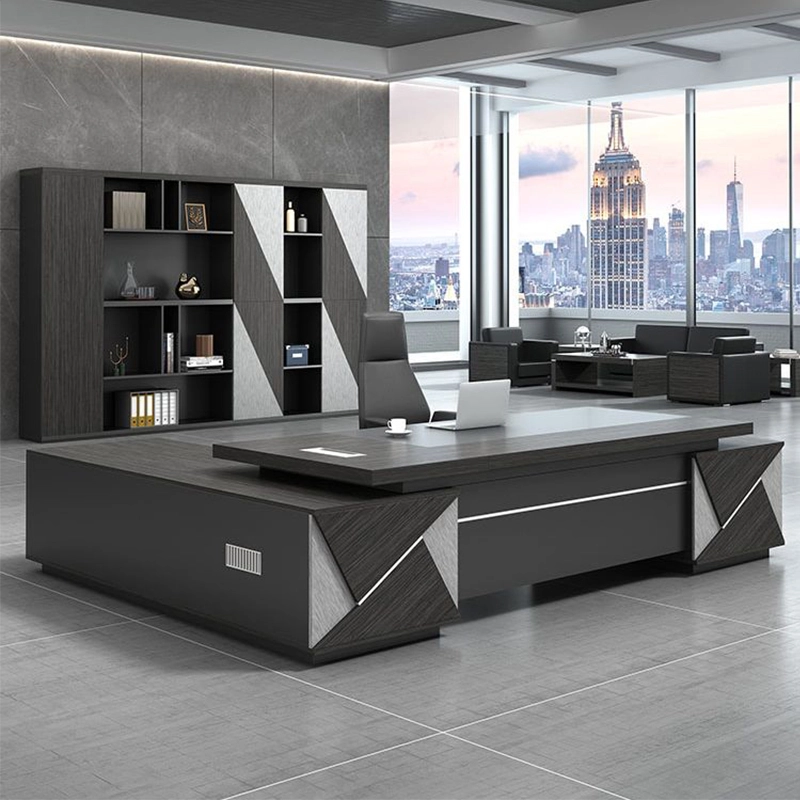
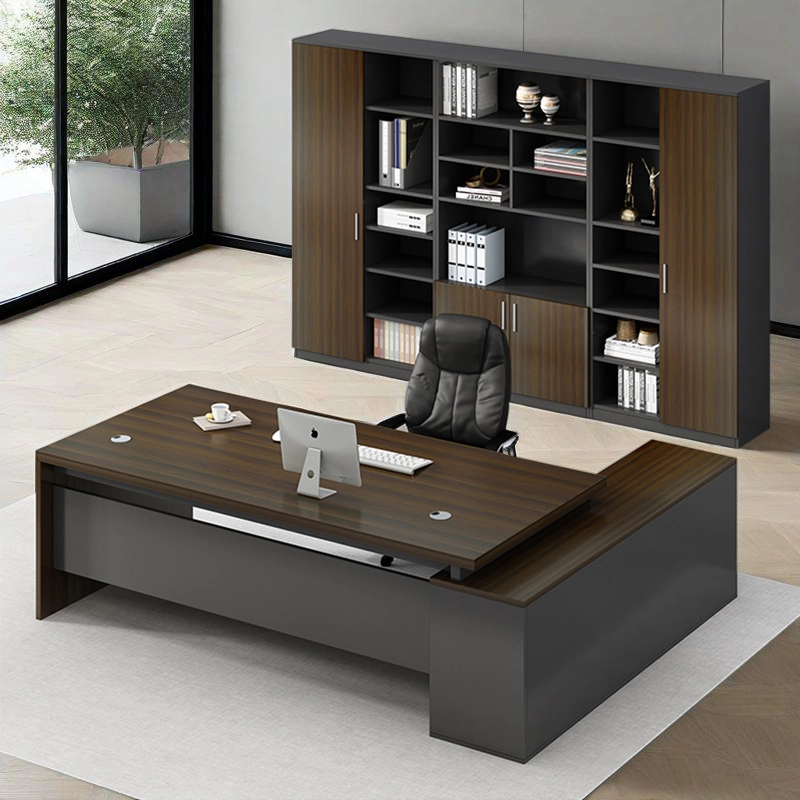
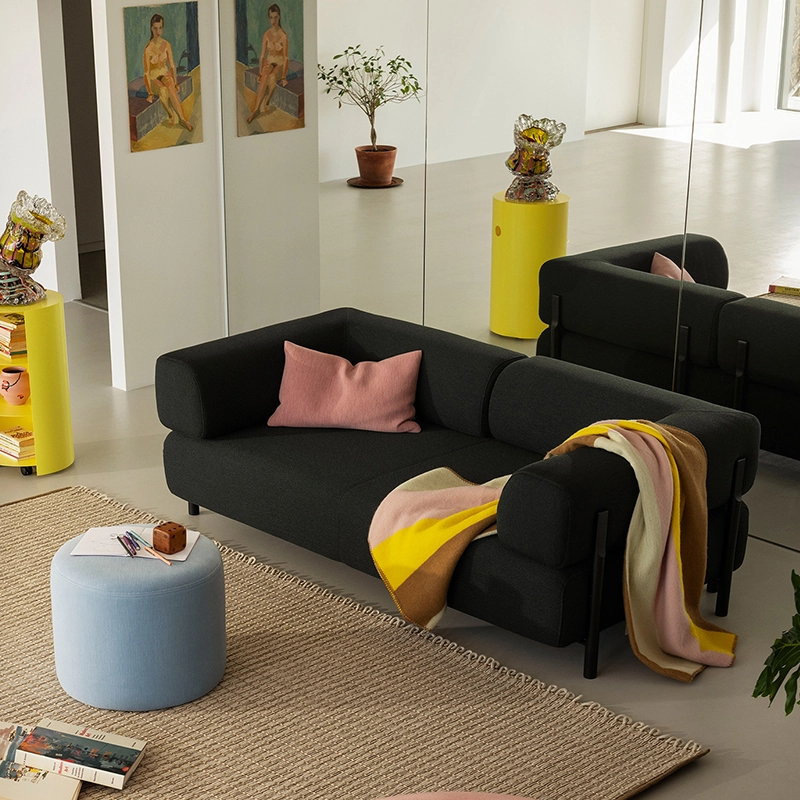
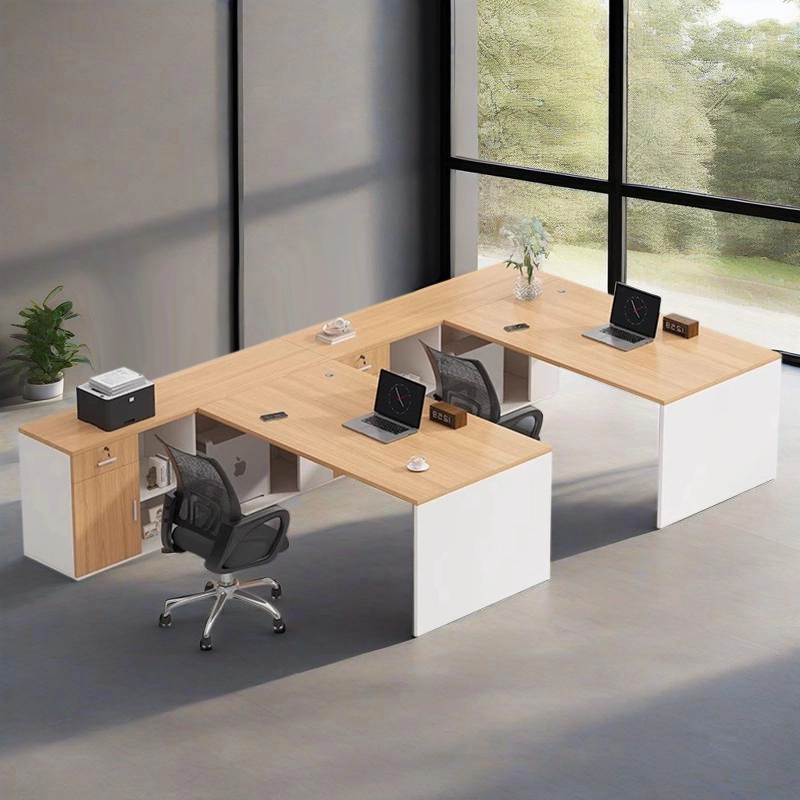
Service
Why choose us?
A. Business Type: Furniture Manufacture,Production and export trade experience: Over 15 years Factory area:10000 + square meters Member:>100 staffs Design Team: Minimum 20 pax to organize
B.Customization: Welcome to OEM and ODM or Project.
C.Delivery:15days for 20GP, 25days for 40HQ.
D. Testing center is available in our factory, and regularly through national authoritative organization authoritative authentication, ensure that each product is qualified. E.Competitive price from factory directly.
Can you handle small orders ?
Of course, in order to support clients' business, We also take small orders.
What's your products range?
1.Whether you need office furniture, home furniture, hotel furniture, school furniture.or special custom furniture products, we can meet your requirements.
2.-Products including office table, office chair, office filing cabinet, office workstation,Office sofa, office reception ,office conference room and so on, Simple Leisure Sets etc.
ls there cheap shipping cost to import to our country?
For small order,express will be best. And for bulk order,sea ship way is best but take much time; For urgent orders,we suggest via air to airport plus our ship partner send to your door. When we calculate the freight for you, we will choose the cheapest,safest express company. lt is the freight company that asks us to pay, so we can not make it cheaper. lf you have your own agent in China, we can send the package to your agent.
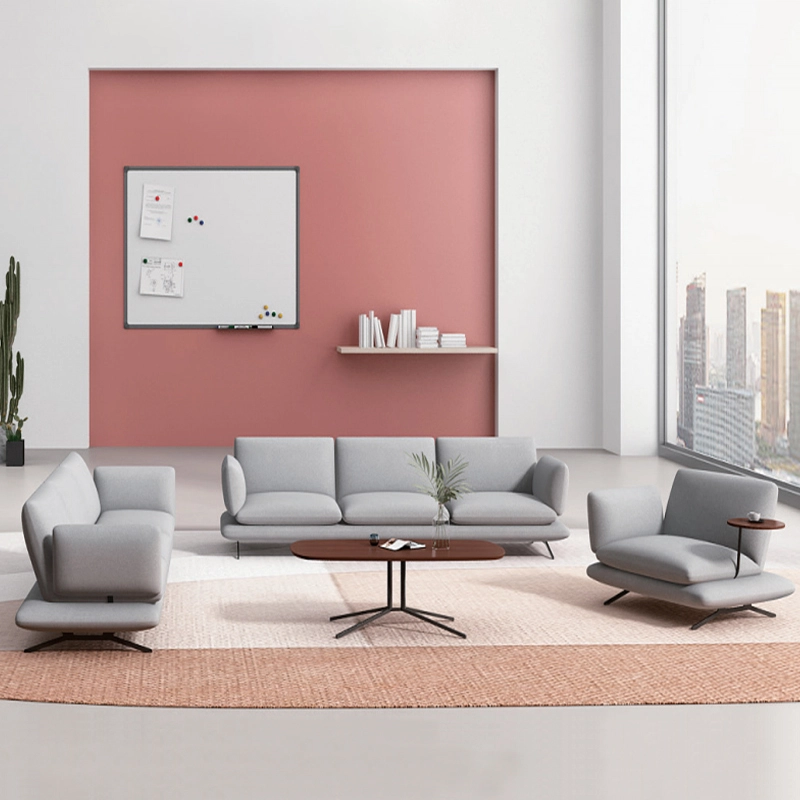
Customizable sofas, featuring a teddy fabric cover that's durable and stain-resistant. Customizable sizes are also available. This sofa features a sturdy frame and high-quality materials, making it suitable for everyday use. Its versatile design makes it ideal for living rooms, apartments, lounge areas, and even cozy reading nooks. It's more than just a sofa; it's a statement piece for stylish and intelligent living.

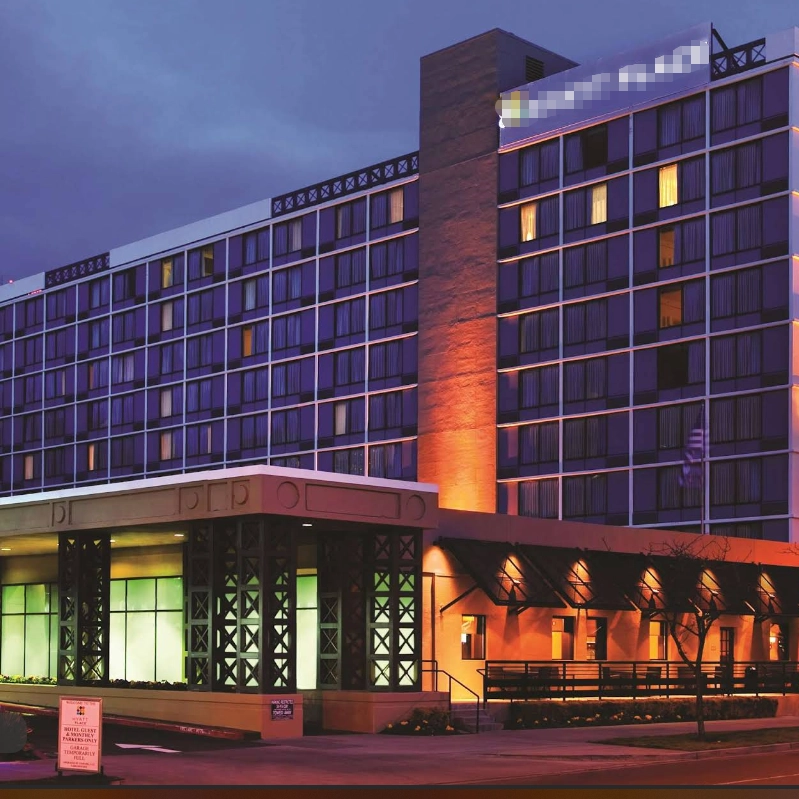
MEI YI Furniture partners with Hotel to deliver custom hotel furniture that combines high-efficiency and durability. This collaboration elevates the quality of a national hotel brand, showcasing MEI YI’s expertise in crafting tailored, long-lasting solutions for High Quality hospitality spaces.
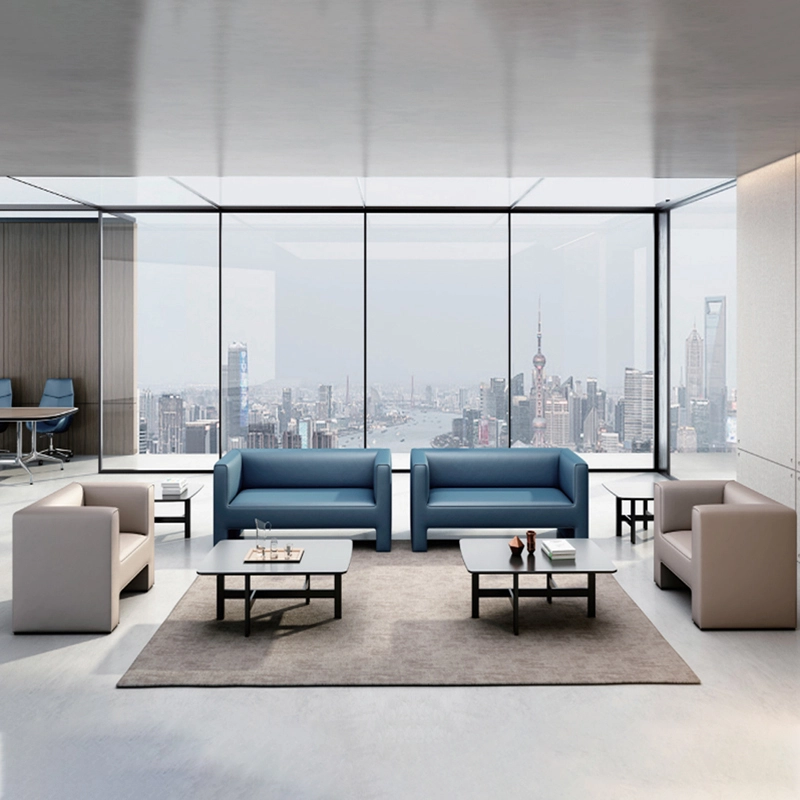
Customizable sofas, featuring a artificial leather cover that's durable and stain-resistant. Customizable sizes are also available. This sofa features a sturdy frame and high-quality materials, making it suitable for everyday use. Its versatile design makes it ideal for living rooms, apartments, lounge areas, and even cozy reading nooks. It's more than just a sofa; it's a statement piece for stylish and intelligent living.
Do you have any questions?
Contact one of our sales representatives or fill out this form.
MEI YI Furniture provides a one-stop service for the design, manufacturing, and customization of office, hotel, and school furniture.
Contact: Asya
Email: asya@myofficefurniture.com.cn
WhatsApp: +86 134 2216 1319
Address: No. 25, Nan Street, Jinpan, Zhongluotan Town, Baiyun District, Guangzhou, China.
Whatsapp: +8613422161319
Fackbook
Instagram
YouTube