





How to maintain and care for custom home furniture long-term?

- How do I choose the right wood species and moisture content for custom home furniture to prevent long-term warping and cracking?
- What finishing system should I request for high-traffic custom-made kitchen cabinets to resist stains, heat, and frequent cleaning?
- How can I evaluate a manufacturer's joinery and construction (mortise-and-tenon vs dowel/glue) to ensure my custom sofa or table will last decades?
- What are realistic maintenance routines, products, and schedules to preserve leather and fabric upholstery on custom home furniture?
- How should I maintain and repair veneered or painted custom furniture when chips, delamination, or scratches appear?
- What warranty, documentation, and care instructions should I insist on from a furniture manufacturer to protect my investment long-term?
- How do foam density, seat suspension and cushion design choices affect long-term comfort and how should I specify them for custom sofas?
How do I choose the right wood species and moisture content for custom home furniture to prevent long-term warping and cracking?
Choosing the proper wood species and ensuring appropriate moisture content (MC) are the two most important preventive steps manufacturers and buyers can take to prevent warping, cracking, and joint failure in custom home furniture.
- What to specify to the manufacturer: request kiln-dried solid wood or engineered cores with a target MC appropriate to your home’s climate. For most indoor North American/European climates, specify 6–8% MC; in higher-humidity climates 8–12% is acceptable. This reduces differential moisture movement after installation.
- Wood species selection: prioritize stable hardwoods for tabletops and structural elements. Oak, maple, walnut and cherry are stable, dense choices. Softer species (pine) are workable and less costly but move more with humidity and dent more easily. Use quarter-sawn lumber for tabletops when stability and straight grain are priorities.
- Use engineered alternatives where stability matters: plywood (with a stable core), MDF with proper edge-banding, or pre-compressed veneered panels reduce the risk of panel cup and twist. For large surfaces (island tops, long table leaves) recommend veneered plywood or butcher-block engineered panels rather than single-slab solid wood.
- Design for movement: good manufacturers build in seasonal movement—floating tabletops on rails, elongated screw slots, battens under panels—so that wood can expand/contract without splitting joints.
- Buyer checklist before purchase: ask the manufacturer for documented MC readings, wood supplier certifications (FSC if required), and photos of grain orientation. Insist on a written tolerance spec for panel flatness and moisture.
Estimated lifetime benefit: selecting the right species and MC and ensuring movement-friendly joinery reduces warping/cracking risk by decades, often preventing premature repairs.
What finishing system should I request for high-traffic custom-made kitchen cabinets to resist stains, heat, and frequent cleaning?
High-traffic kitchens require a finish system that balances durability, reparability, and chemical resistance. Ask your manufacturer for a specified finishing system rather than a general “varnish” claim.
- Best finishes for kitchen cabinetry: conversion varnish (catalyzed lacquer) or high-quality waterborne polyurethane are industry standards. Conversion varnishes (catalyzed) offer superior chemical and heat resistance and faster cure; waterborne polyurethanes achieve excellent hardness with lower VOCs. Typical industrial finish systems include a primer/fill coat, two sealing coats, and 2–3 topcoats, applied with quality spray equipment and cured properly.
- Film thickness: professional finishes are built to a specified dry-film thickness (example: 80–200 microns depending on formulation). Thicker film alone is not better—proper curing and adhesion are critical.
- Edge protection: specify post-finish edge-banding for painted or veneered faces; raw edges are failure points for water ingress and delamination.
- Hardware mounting: ensure hinge cups, slides and screws are installed after finishing where appropriate, or use masked screw holes to avoid finish cracking.
- Chemical resistance testing: request that the manufacturer provide evidence of resistance to common kitchen agents (citric acid, mild detergents, alcohol) or cite lab data from suppliers. For commercial/very high-use kitchens, powder-coated metal cabinetry or laminate faces are alternatives.
Practical maintenance note: even the best finish benefits from microfiber cleaning with pH-neutral cleaners and avoiding bleach or abrasive pads. Refinish or touch-up kits are cheaper if the manufacturer supplies matching touch-up lacquer or repair pens.
How can I evaluate a manufacturer's joinery and construction (mortise-and-tenon vs dowel/glue) to ensure my custom sofa or table will last decades?
Joinery is the structural backbone—poor joinery yields squeaks, loosening and catastrophic failure over time. Buyers should inspect or request documentation about the exact joinery methods.
- Strong joinery types: traditional through or blind mortise-and-tenon and dovetail joints are proven long-term choices for frames and drawers. For tables, mortise-and-tenon or robust metal-to-wood mechanical brackets combined with glue are ideal. For drawer boxes, 1/2 or thicker solid hardwood dovetails are High Quality; high-quality finger joints and glued plywood are acceptable on mid-range pieces.
- Engineered and modern methods: dowel and cam-lock systems are cost-effective but typically less durable than mortise-and-tenon. Modern structural adhesives (PVA, polyurethane glue) combined with mechanical fasteners can perform well if executed correctly.
- Sofa frames and suspension: ask for kiln-dried hardwood frames (not particle board) and suspension type—8-way hand-tied springs are High Quality traditional suspension; sinuous/s-shaped springs are common and acceptable when attached with metal clips and reinforced rails. Request frame thickness and corner-blocking details.
- Fastener quality and spacing: stainless or zinc-plated screws in adequate length and diameter, with pilot holes and glue, reduce loosening. For tables, ensure adequate apron thickness and joinery dimensioning to handle anticipated loads.
- QA documentation: request manufacturing photos/videos of joinery steps, specification sheets showing joint type, glue types, and any stress-testing or lifecycle testing performed.
Buying tip: for any critical structural piece, get a signed spec sheet from the manufacturer describing frame materials, joint types, glue, and expected warranty. This is a key E-E-A-T document when comparing suppliers.
What are realistic maintenance routines, products, and schedules to preserve leather and fabric upholstery on custom home furniture?
Upholstery care depends heavily on upholstery type (aniline leather, pigmented leather, woven fabric, performance textiles) and manufacturer recommendations (fabric cleaning code W/S/X/WS). Follow both routine and corrective care routines.
- Routine (weekly/monthly): vacuum fabric or leather crevices weekly with a soft brush attachment. Rotate cushions monthly to equalize wear. Keep textiles out of direct sun; UV causes fading and fiber degradation.
- Fabric-specific actions: check the fabric cleaning code—W = water-based cleaner; S = solvent-based only; WS = either; X = professional cleaning only. For W or WS: use a mild pH-neutral upholstery shampoo or diluted gentle detergent for spot cleaning; always blot, don’t rub. For S: use dry-cleaning solvent and avoid water which may stain.
- Performance fabrics: request abrasion (Wyzenbeek) ratings from the manufacturer—home heavy use should be 30,000+ double rubs. For pets or heavy use, specify Crypton, Sunbrella, or other performance textiles for stain and moisture resistance.
- Leather care: identify leather type. Aniline leathers are soft and breathable but need more care and protection; pigmented leathers have a protective coating and need less frequent conditioning. Clean with a damp microfiber, neutral leather cleaner, and condition 1–2 times/year with a manufacturer-recommended conditioner. Avoid oils and household cleaners.
- Products to avoid: bleach, ammonia-based cleaners, silicone polishes, and abrasive pads. Always test any cleaner on an inconspicuous area first.
- Deep cleaning: schedule professional upholstery cleaning every 12–36 months depending on use.
Technical upholstery specs to request before purchase: fabric abrasion rating, fiber content, stain treatments applied, foam density (see below), and whether cushion covers are removable for laundering.
How should I maintain and repair veneered or painted custom furniture when chips, delamination, or scratches appear?
Veneer and paint failures are common but often repairable. Your manufacturer should provide repair options and touch-up materials at delivery.
- Preventive steps: control humidity (40–60% ideal indoor relative humidity), avoid direct heat or sun, and use protective pads under heavy objects. For veneered tabletops, use mats or glass for hot pans.
- Small scratches and chips (painted surfaces): request a touch-up kit matched to the factory paint (small bottles, mixing codes). Minor scratches can be filled with color-matched filler and re-coated with the same finish chemistry (e.g., waterborne lacquer). For larger paint failure, spot-sanding and localized re-spray by a professional provides the best match.
- Veneer edge lifting/delamination: stop moisture exposure immediately. Small edge lifts can be re-glued with thin-capability PVA or contact adhesive, clamped flat until cured. For larger delamination across panels, replacement of the veneered panel is often the most durable solution—ask your manufacturer about availability of spare panels and cost.
- Re-surfacing and repair life cycle: high-quality painted or veneered pieces typically can be repaired multiple times by a qualified finisher. Ask the manufacturer if they offer a repair service or recommended local repair shops and whether finish formulas or spray codes are documented for future matching.
Buyers should ask for a written finish maintenance and touch-up protocol at handover—this reduces ambiguity and preserves warranty coverage.
What warranty, documentation, and care instructions should I insist on from a furniture manufacturer to protect my investment long-term?
A strong warranty and clear documentation are essential. Don’t accept generic sales talk—insist on written, itemized documentation.
- Minimum documentation to request: detailed spec sheet (wood species, MC%, plywood veneers and core specs, hardware brand and model, foam density/ILD, fabric codes and abrasion ratings), finish chemistry and drying/curing details, joinery diagrams, and photographs of the production batch.
- Warranty items and typical coverage: structural frame warranty 5–25 years (manufacturer dependent); springs and frame often covered 5–10 years; cushions, upholstery, and finishes typically have shorter warranties (1–5 years). Ask what constitutes normal wear vs manufacturing defect. Get exclusion lists in writing (e.g., misuse, improper humidity, moving damage).
- Emissions and certifications: request CARB/TSCA Title VI compliance for composite wood (limits formaldehyde), GREENGUARD or similar low-emission certification for indoor air quality, and FSC or PEFC if sustainable sourcing is a priority.
- Care instructions: a one-page, itemized care manual customized to the piece is ideal—include cleaning codes, recommended cleaners, suggested maintenance schedule (vacuuming, conditioning, re-oiling, professional cleaning intervals), and step-by-step minor repair tips.
- Post-sale support: confirm repair and spare-parts policies, lead times for replacement cushions, matching finish touch-up kits, and whether the manufacturer provides on-site service.
Buyer negotiation tip: trade a longer lead time or slightly higher price for an extended warranty and documented QC reports. This reduces total cost of ownership and improves resale value.
How do foam density, seat suspension and cushion design choices affect long-term comfort and how should I specify them for custom sofas?
Comfort longevity is a function of foam density, ILD (firmness), core construction, and suspension system. Speaking to manufacturers in technical terms avoids surprises.
- Foam density: request High Resilience (HR) foam for seat cores with density 30–40 kg/m3 (approximately 1.8–2.5 lb/ft3). Higher density equals longer-lasting resilience and less sag over time. Avoid low-density foams (<25 kg/m3) for primary seat support.
- ILD/comfort layering: specify a core foam ILD of 30–38 for a balanced firm seat; add softer comfort layers (2–4 cm) of lower ILD or memory/latex layers for a plush top. Provide exact ILD numbers to the manufacturer if you have a personal preference.
- Suspension: 8-way hand-tied springs are the High Quality for longevity and even feel. Sinuous (S-shaped) springs are common and durable when properly attached. Verify spring gauge, clip quality, and number of attachment points. Webbing (elastic straps) is acceptable for some modern designs but typically offers less long-term resilience.
- Cushion construction: include removable, zipped covers for easy cleaning and re-upholstery. Specify whether cushions are reversible and whether inserts are feather-wrapped, foam-wrapped, or a hybrid—each has different maintenance profiles.
- Performance testing: request sit-cycle test results if available (x number of cycles in accelerated wear testing) or ask for references of similar builds that have been in use for several years.
Consequence: specifying density and suspension minimizes early sagging and maintains comfort for 7–15+ years depending on use and care.
ConclusionCustom home furniture, when specified and cared for properly, delivers superior fit, material quality, repairability, and long-term value compared with mass-produced alternatives. By specifying the right wood species and kiln-dried moisture content, insisting on proven finishing systems and solid joinery, documenting foam/suspension specs and fabric/leather cleaning codes, and securing clear warranties and maintenance instructions, you maximize durability and minimize lifecycle cost. These steps protect your investment and preserve appearance and performance for decades.
For a personalized quote, detailed spec sheet, or to discuss materials, finishes and maintenance plans for your custom home furniture project, contact us at www.meiyifurnishing.com or email asya@myofficefurniture.com.cn. As experienced furniture manufacturers, we provide documented specifications, warranty options, and tailored care guides with every bespoke order.
Latest Recommendations
Service
What's your products range?
1.Whether you need office furniture, home furniture, hotel furniture, school furniture.or special custom furniture products, we can meet your requirements.
2.-Products including office table, office chair, office filing cabinet, office workstation,Office sofa, office reception ,office conference room and so on, Simple Leisure Sets etc.
Can you handle small orders ?
Of course, in order to support clients' business, We also take small orders.
Why choose us?
A. Business Type: Furniture Manufacture,Production and export trade experience: Over 15 years Factory area:10000 + square meters Member:>100 staffs Design Team: Minimum 20 pax to organize
B.Customization: Welcome to OEM and ODM or Project.
C.Delivery:15days for 20GP, 25days for 40HQ.
D. Testing center is available in our factory, and regularly through national authoritative organization authoritative authentication, ensure that each product is qualified. E.Competitive price from factory directly.
ls there cheap shipping cost to import to our country?
For small order,express will be best. And for bulk order,sea ship way is best but take much time; For urgent orders,we suggest via air to airport plus our ship partner send to your door. When we calculate the freight for you, we will choose the cheapest,safest express company. lt is the freight company that asks us to pay, so we can not make it cheaper. lf you have your own agent in China, we can send the package to your agent.

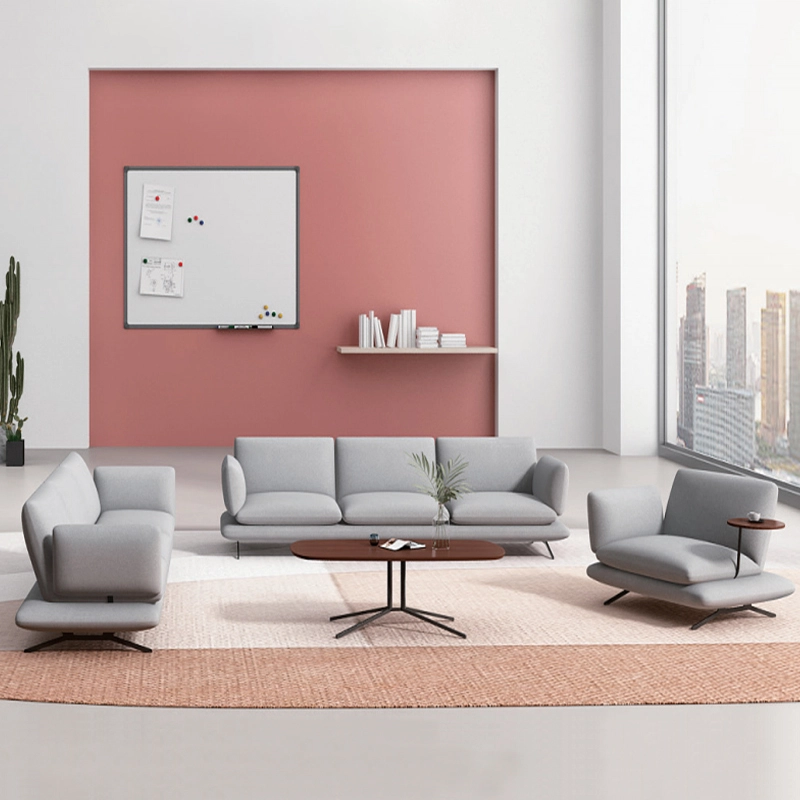
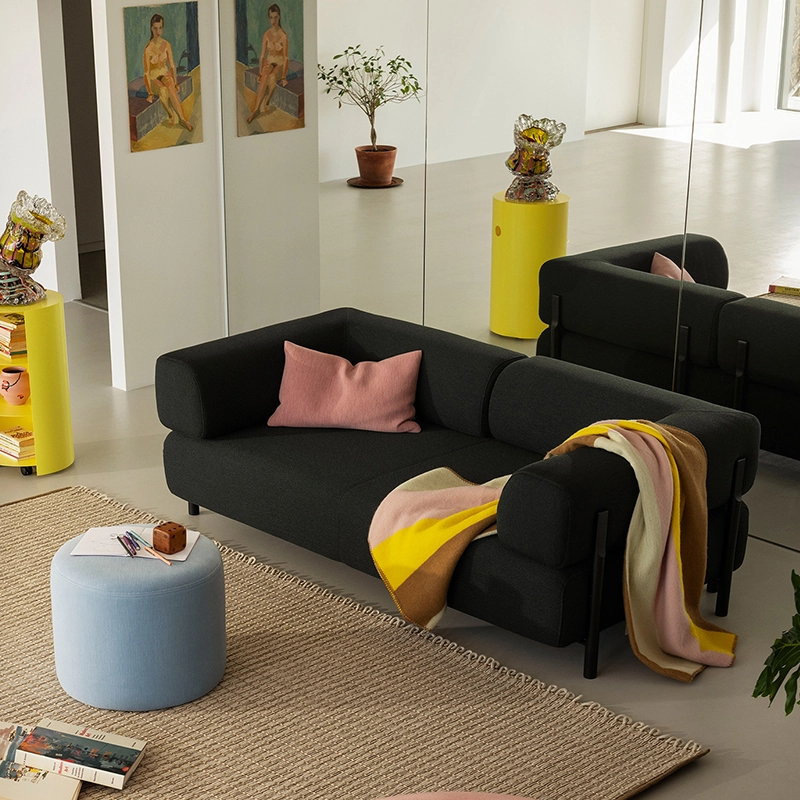
Customizable sofas, featuring a teddy fabric cover that's durable and stain-resistant. Customizable sizes are also available. This sofa features a sturdy frame and high-quality materials, making it suitable for everyday use. Its versatile design makes it ideal for living rooms, apartments, lounge areas, and even cozy reading nooks. It's more than just a sofa; it's a statement piece for stylish and intelligent living.

MEI YI Furniture partners with Hotel to deliver custom hotel furniture that combines high-efficiency and durability. This collaboration elevates the quality of a national hotel brand, showcasing MEI YI’s expertise in crafting tailored, long-lasting solutions for High Quality hospitality spaces.
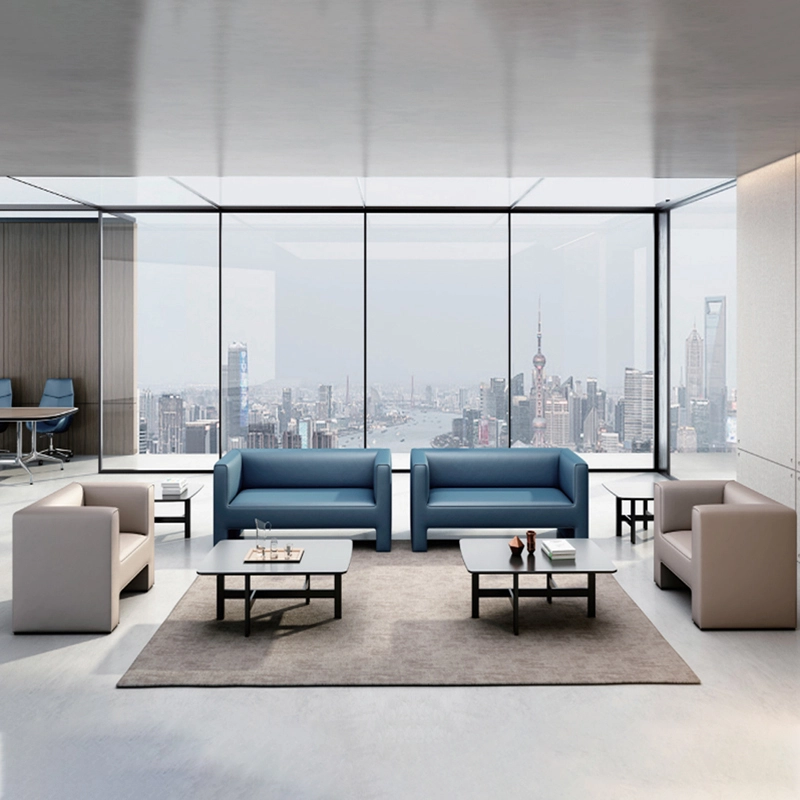
Customizable sofas, featuring a artificial leather cover that's durable and stain-resistant. Customizable sizes are also available. This sofa features a sturdy frame and high-quality materials, making it suitable for everyday use. Its versatile design makes it ideal for living rooms, apartments, lounge areas, and even cozy reading nooks. It's more than just a sofa; it's a statement piece for stylish and intelligent living.
Do you have any questions?
Contact one of our sales representatives or fill out this form.
MEI YI Furniture provides a one-stop service for the design, manufacturing, and customization of office, hotel, and school furniture.
Contact: Asya
Email: asya@myofficefurniture.com.cn
WhatsApp: +86 134 2216 1319
Address: No. 25, Nan Street, Jinpan, Zhongluotan Town, Baiyun District, Guangzhou, China.
Whatsapp: +8613422161319
Fackbook
Instagram
YouTube