





Why is craftsmanship important in custom home furniture?

- 1. Why is craftsmanship important in custom home furniture?
- 2. How can I accurately compare total cost (unit price + lifecycle cost) of custom home furniture vs mass-produced pieces?
- 3. What objective tests or documentation should I request to verify durability claims (scratch/stain resistance, upholstery wear) remotely?
- 4. How do I ensure custom home furniture will perform in my home's microclimate (humidity, temperature swings)?
- 5. What are realistic lead times, production tolerances and acceptance criteria for custom home furniture projects?
- 6. How do warranties, spare-part policies and on-site repair options practically protect my investment in custom furniture?
- Procurement checklist: Minimum technical requirements to include in RFQs for custom home furniture
- Closing: Why craftsmanship and clear specs together make the difference
- About MEI YI — why partner with us for custom home furniture
6 Hard Questions Beginners Ask About Custom Home Furniture — Practical Procurement Answers
Buying custom home furniture requires more than aesthetics. Buyers must evaluate materials, joinery, environmental performance, test data, lead times and after-sales support. Below are six specific, pain-point questions rarely well answered online, plus practical, standards-based procurement guidance for furniture manufacturers, designers, builders and homeowners specifying custom pieces.
1. Why is craftsmanship important in custom home furniture?
Craftsmanship determines long-term value, safety and indoor performance of custom home furniture. High-quality craftsmanship is not only about pleasing joints or smooth finishes — it affects structural integrity, repairability and how a piece responds to humidity, wear and transport.
- Structural reliability: Proper joinery (dovetails, mortise-and-tenon, tightly fitted dowels, interlocking frames) distributes load and prevents fastener failure. Poor workmanship often hides stress concentrations that surface within months to years.
- Durability and lifecycle cost: Skilled finishing reduces surface water ingress and abrasion; accurate machining reduces stress on exposed edges. Well-crafted furniture is easier and cheaper to maintain — less frequent refinishing and fewer replacements.
- Indoor environmental quality: Attention to glue choice, substrate drying and finish VOCs reduces emissions and minimizes off-gassing. Certified materials (FSC, low-VOC finishes, CARB/TSCA-compliant composite wood) are implemented correctly only with careful craftsmanship.
- Repairability and resale value: Traditional joinery allows local repairs; modular design and accessible fasteners make components replaceable — an important cost-saver for homeowners and a High Quality feature for buyers.
For procurement: require manufacturers to show physical joinery samples, provide images of construction cross-sections, and include a repair plan (replacement parts list and lead times). Define acceptance criteria for joints and structural tests in the contract.
2. How can I accurately compare total cost (unit price + lifecycle cost) of custom home furniture vs mass-produced pieces?
Unit price alone is misleading. Total cost of ownership (TCO) for furniture should include initial price, expected maintenance, refinishing cycles, repair costs, expected lifetime and end-of-life disposal or resale value. For meaningful comparisons:
- Request an estimated service schedule from the manufacturer: recommended cleaning, refinishing intervals, reupholstery cycles and associated cost ranges.
- Ask for component breakdowns: solid hardwood frames vs plywood vs MDF — these have different lifespans. Solid hardwood and high-grade engineered cores are more repairable and often extend useful life by 5–15 years compared to low-grade chipboard.
- Include environmental and regulatory compliance costs: CARB/TSCA-compliant panels, low-VOC finishes and chemical test reports may raise initial cost but reduce regulatory risk and potential remediation down the road.
- Estimate downtime and replacement costs: custom pieces often take longer to replace or repair. Factor in temporary replacement or installation delays.
Frame this into procurement as a simple TCO worksheet: initial unit cost + first 10-year maintenance forecast + projected resale value. For many custom-made solid-wood pieces, higher up-front cost is offset by lower maintenance frequency and higher second-hand value.
3. What objective tests or documentation should I request to verify durability claims (scratch/stain resistance, upholstery wear) remotely?
Durability claims must be supported by standardized test results and traceable documentation. When evaluating remote quotes, request:
- Finish performance tests: Taber abrasion or ASTM/ISO wear tests for hard finishes; laboratory rub tests for lacquer/PU topcoats. Ask for test method and cycles completed.
- Upholstery fabric rub tests: Wyzenbeek or Martindale results with type of abrasion cloth and cycle count. For residential use, fabrics with >15,000 double rubs are generally considered durable.
- Structural load testing: static load and cyclic fatigue tests on joints or frames, with test standards cited (e.g., ANSI/BIFMA for contract seating when relevant).
- Adhesive and substrate certification: MSDS, formaldehyde emission reports (CARB Phase 2 or TSCA Title VI compliance for composite wood) and supplier batch traceability.
- Photographic and video evidence of lab testing, plus lab accreditation (ISO/IEC 17025) when possible.
Tip: include a clause in the purchase order that allows random-sample third-party testing on arrival. That shifts risk back to the supplier and ensures claims are verifiable.
4. How do I ensure custom home furniture will perform in my home's microclimate (humidity, temperature swings)?
Wood movement and finish performance are determined largely by moisture content (MC) of components at time of assembly and by finish system integrity. To manage microclimate risk:
- Specify target moisture content: reputable manufacturers acclimatize parts to ambient conditions. For temperate indoor environments the target MC is typically 6–8%; in high-humidity regions, manufacturers may allow 8–12% and use engineered cores to minimize movement.
- Choose engineered panels where dimensional stability is critical: plywood and veneered engineered cores move less than solid wood. For large door panels and tabletops, consider properly laminated and stabilized constructions.
- Finish strategy: fully sealed edges and multi-coat finishes (primer + sealer + topcoat) reduce moisture exchange. Oiling may be aesthetic but offers less barrier protection compared to catalyzed lacquers or conversion varnishes.
- Acclimatization and on-site installation: require the manufacturer to ship components with documentation of factory MC and to allow on-site acclimation (48–72 hours) before final assembly in tight-fit millwork installations.
Include MC targets and acceptable ranges in technical specifications and acceptance testing during incoming inspection.
5. What are realistic lead times, production tolerances and acceptance criteria for custom home furniture projects?
Lead time and tolerances vary with complexity, finish choices and order volumes. Typical benchmarks to use in planning:
- Prototype/sample: 2–6 weeks depending on complexity and finish approvals.
- Small production run (1–20 pieces): 6–12 weeks after sample approval; complex joinery or bespoke upholstery can push this to 12–16 weeks.
- Larger runs (100+): 10–20 weeks depending on capacity and logistics.
- Dimensional tolerances: precision joinery and cabinet millwork commonly use ±1–3 mm tolerances on critical dimensions; large-panel tolerances may be ±2–5 mm. Specify tolerance tables for critical interfaces (door gaps, countertop overhangs, hinge alignment).
- Acceptance criteria: include cosmetic thresholds (visible defects, finish orange peel, color variation limits measured via Delta E for painted/veneered surfaces), structural pass/fail, and functional tests (door alignment, drawer travel, soft-close operation).
Always include contingency buffer time in project schedules for reworks or extended shipping windows, especially for overseas manufacturing.
6. How do warranties, spare-part policies and on-site repair options practically protect my investment in custom furniture?
Warranties and service commitments are the practical safety net for custom purchases. Common industry practices and recommended clauses to include:
- Warranty coverage: structural warranties for frames commonly range 5–10 years; finish and upholstery warranties are typically 1–3 years. Require a clear delineation of what is covered (structural failure vs wear-and-tear vs misuse).
- Spare-part availability: stipulate minimum spare-part availability periods (e.g., 3–7 years) for hardware, feet, cushions and replacement panels, and define lead times for spares.
- On-site repair and service: specify whether the manufacturer provides local repair partners, in-home repair kits (touch-up for finishes), or offers pickup-and-repair service. Include maximum response times for service calls.
- Return/repair logistics: set rules for who bears shipping and insurance costs for returns vs warranty repairs. For high-value custom pieces, insist on insured white-glove transport for returns to avoid damage in transit.
Procurement tip: require a service-level agreement (SLA) appendix with defined response times, repair windows and penalties or remedies for missed commitments.
Procurement checklist: Minimum technical requirements to include in RFQs for custom home furniture
- Detailed bill of materials with species/grade, substrate types, supplier certificates (FSC, PEFC where applicable).
- Moisture content target and measurement method at time of packing.
- Finish system specification (primer, sealer, topcoat chemistry), VOC data sheets and test results.
- Joinery drawings, tolerances table and wear/durability test references.
- Third-party lab test results or commitment to provide them: abrasion tests, emission tests (CARB/TSCA), flammability tests when required (e.g., TB 117-2013 for upholstery in the U.S.).
- Sample approval workflow, production sign-off points and non-conformance procedure.
- Warranty terms, spare-part availability, and on-site service commitments with response times.
- Packing and transport method for white-glove delivery; insurance and claim handling process.
These elements reduce ambiguity, lower risk and create objective acceptance criteria — especially important for remote sourcing.
Closing: Why craftsmanship and clear specs together make the difference
Craftsmanship provides the physical quality backbone, while tightly written specs and verifiable test data provide contractual protection. For buyers of custom home furniture, insisting on both — supported by measurable standards and documented processes — converts subjective promises into enforceable outcomes.
About MEI YI — why partner with us for custom home furniture
MEI YI Furnishing combines traditional joinery expertise with modern CNC precision, a rigorous QC program and documented compliance with CARB/TSCA and international chemical restrictions. We provide:
- Factory and material traceability, including FSC options and MSDS for all finishes.
- Laboratory test reports and accredited third-party testing on request.
- Transparent lead times, sample workflows and warranty/SPARES programs tailored to project scale.
- White-glove logistics and local after-sales partnerships for rapid on-site service.
For procurement teams and homeowners seeking custom-made furniture that balances aesthetics, performance and long-term value, MEI YI makes the technical guarantees required to reduce risk and protect investment.
Contact us for a quote: www.meiyifurnishing.com · asya@myofficefurniture.com.cn
Latest Recommendations
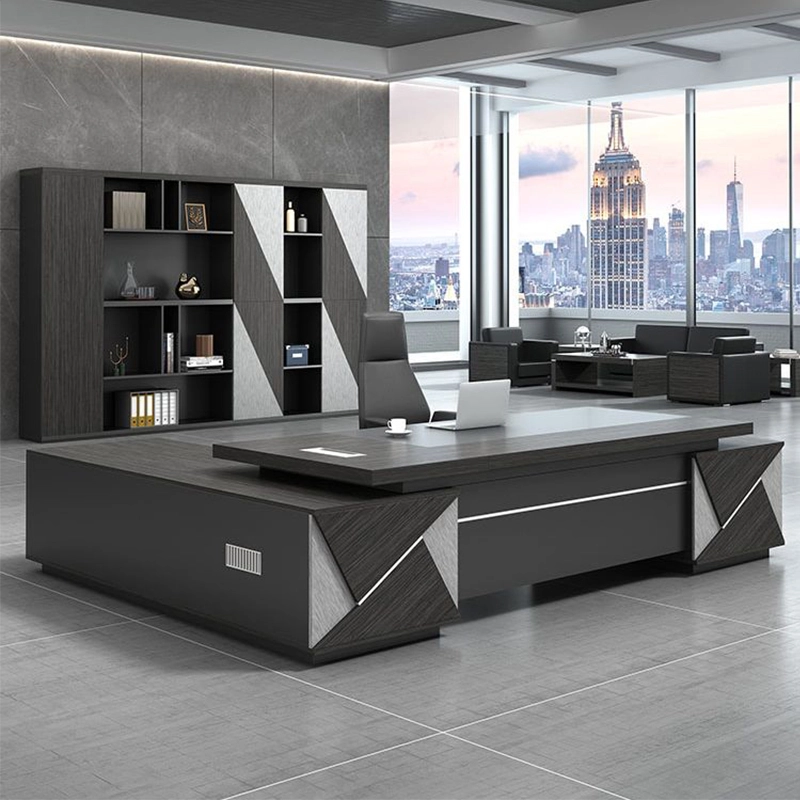
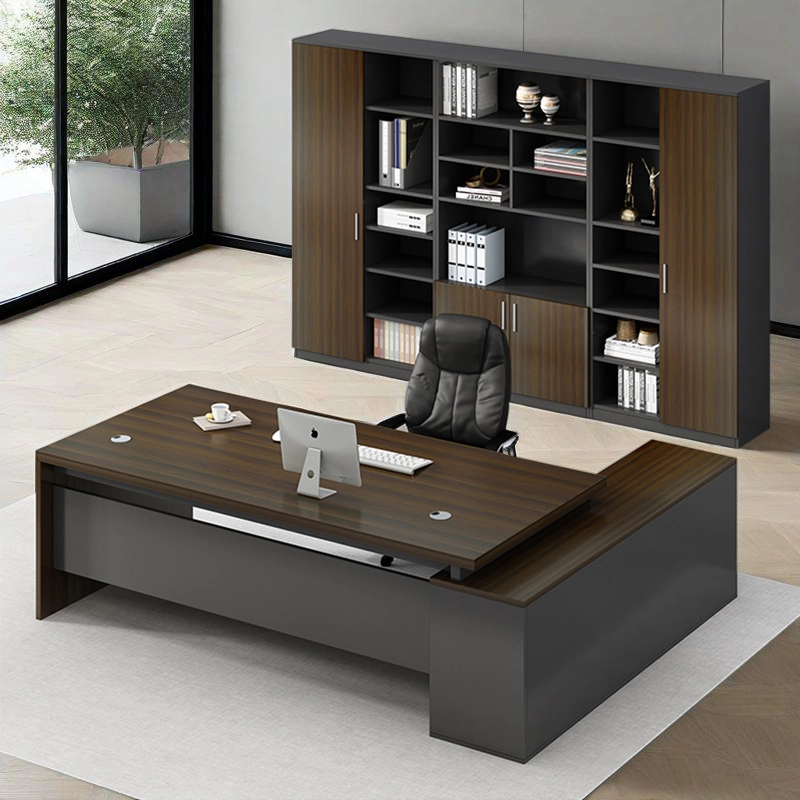
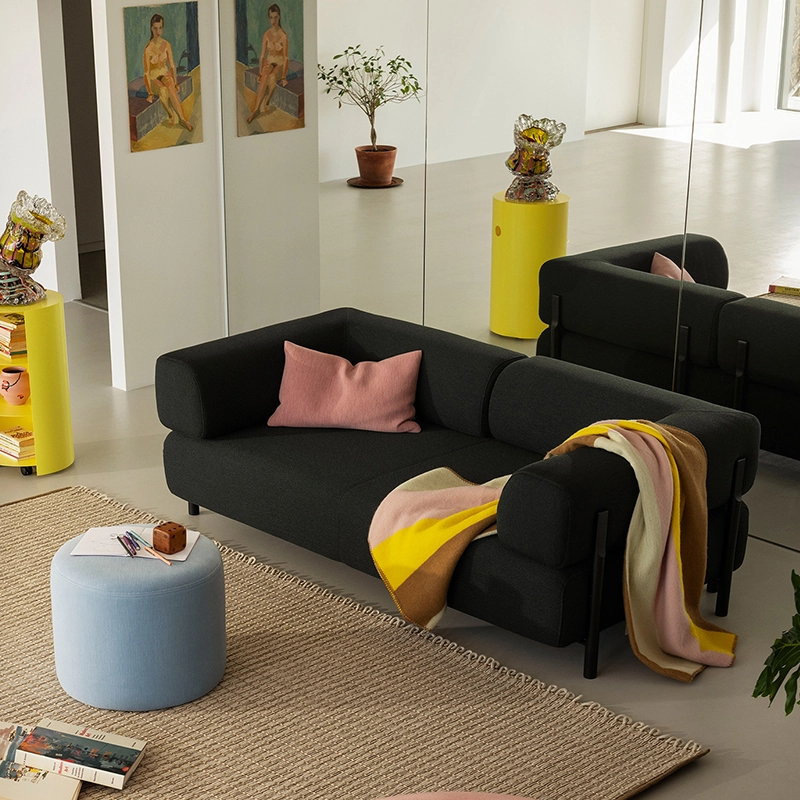
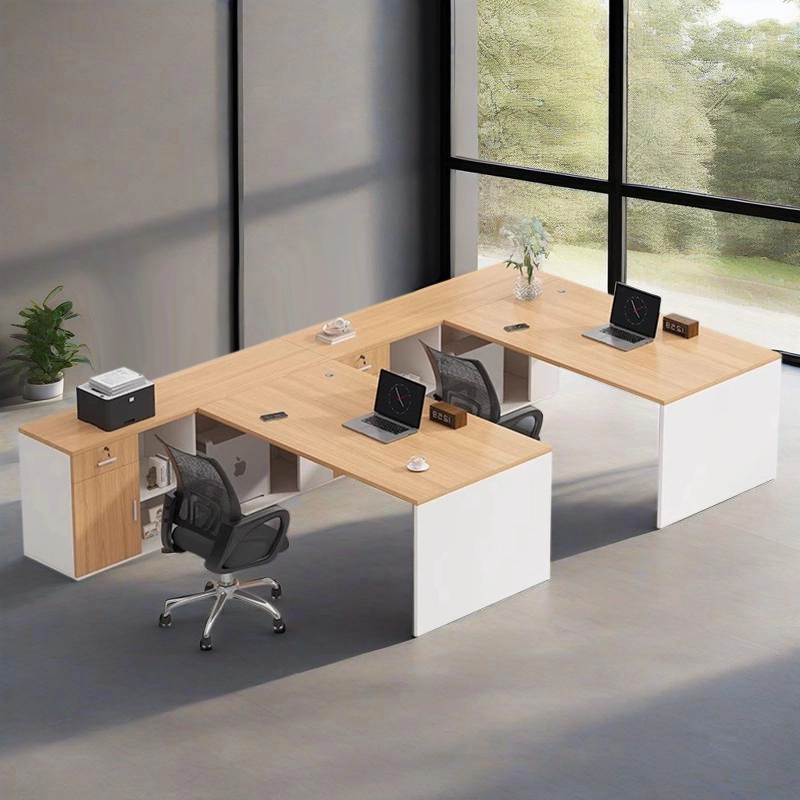
Service
ls there cheap shipping cost to import to our country?
For small order,express will be best. And for bulk order,sea ship way is best but take much time; For urgent orders,we suggest via air to airport plus our ship partner send to your door. When we calculate the freight for you, we will choose the cheapest,safest express company. lt is the freight company that asks us to pay, so we can not make it cheaper. lf you have your own agent in China, we can send the package to your agent.
What's your products range?
1.Whether you need office furniture, home furniture, hotel furniture, school furniture.or special custom furniture products, we can meet your requirements.
2.-Products including office table, office chair, office filing cabinet, office workstation,Office sofa, office reception ,office conference room and so on, Simple Leisure Sets etc.
Why choose us?
A. Business Type: Furniture Manufacture,Production and export trade experience: Over 15 years Factory area:10000 + square meters Member:>100 staffs Design Team: Minimum 20 pax to organize
B.Customization: Welcome to OEM and ODM or Project.
C.Delivery:15days for 20GP, 25days for 40HQ.
D. Testing center is available in our factory, and regularly through national authoritative organization authoritative authentication, ensure that each product is qualified. E.Competitive price from factory directly.
Can you handle small orders ?
Of course, in order to support clients' business, We also take small orders.

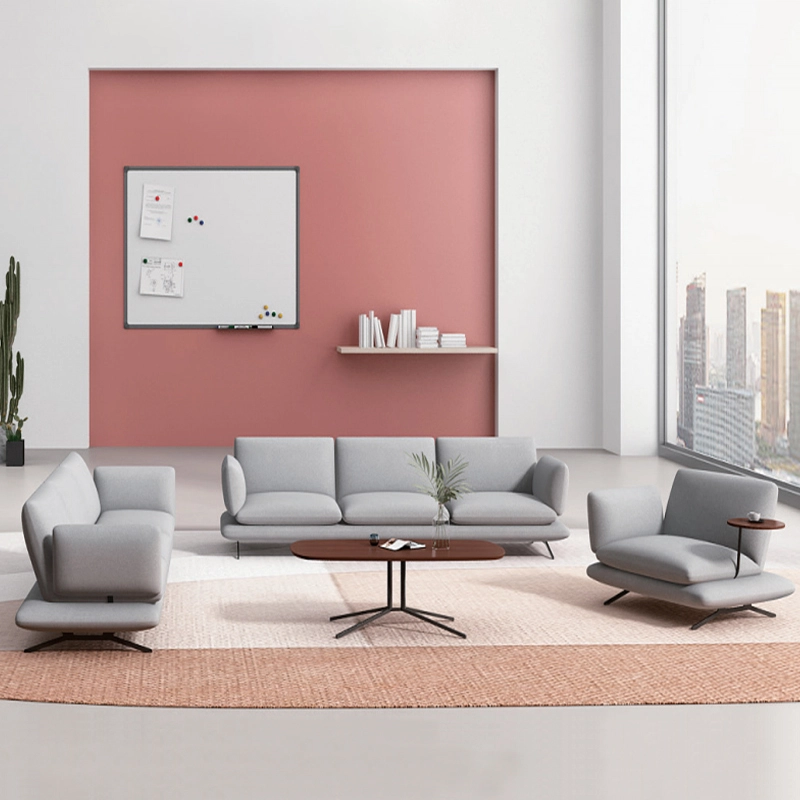
Customizable sofas, featuring a teddy fabric cover that's durable and stain-resistant. Customizable sizes are also available. This sofa features a sturdy frame and high-quality materials, making it suitable for everyday use. Its versatile design makes it ideal for living rooms, apartments, lounge areas, and even cozy reading nooks. It's more than just a sofa; it's a statement piece for stylish and intelligent living.

MEI YI Furniture partners with Hotel to deliver custom hotel furniture that combines high-efficiency and durability. This collaboration elevates the quality of a national hotel brand, showcasing MEI YI’s expertise in crafting tailored, long-lasting solutions for High Quality hospitality spaces.
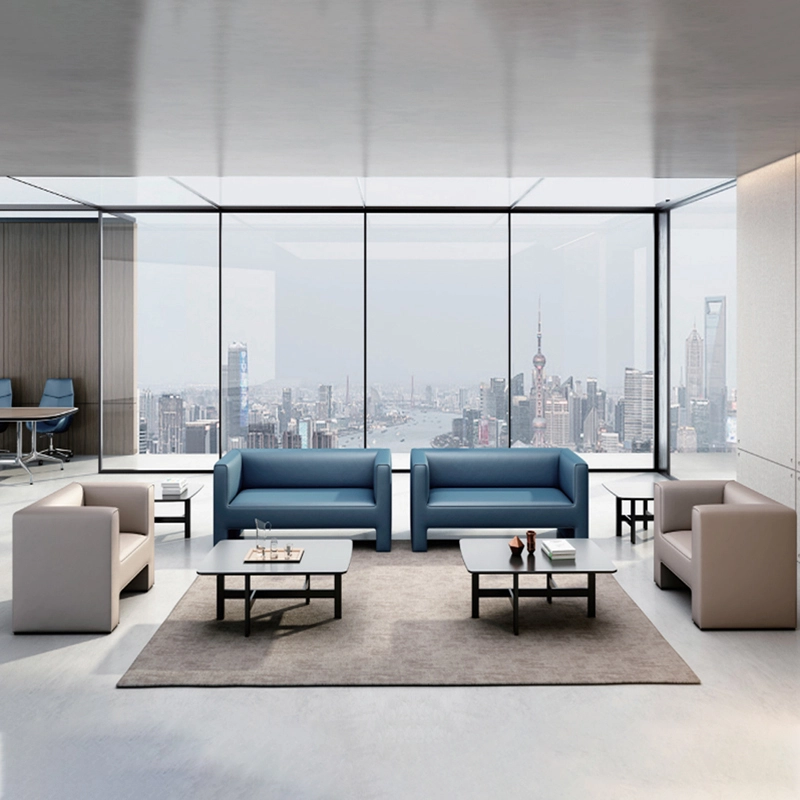
Customizable sofas, featuring a artificial leather cover that's durable and stain-resistant. Customizable sizes are also available. This sofa features a sturdy frame and high-quality materials, making it suitable for everyday use. Its versatile design makes it ideal for living rooms, apartments, lounge areas, and even cozy reading nooks. It's more than just a sofa; it's a statement piece for stylish and intelligent living.
Do you have any questions?
Contact one of our sales representatives or fill out this form.
MEI YI Furniture provides a one-stop service for the design, manufacturing, and customization of office, hotel, and school furniture.
Contact: Asya
Email: asya@myofficefurniture.com.cn
WhatsApp: +86 134 2216 1319
Address: No. 25, Nan Street, Jinpan, Zhongluotan Town, Baiyun District, Guangzhou, China.
Whatsapp: +8613422161319
Fackbook
Instagram
YouTube