





How to specify contemporary office furniture for commercial projects
- Design principles and project brief essentials for contemporary office furniture
- Define project goals, user profiles and workplace typologies
- Translate aesthetics into measurable design language
- Embed functional outcomes and KPIs
- Materials, finishes and performance criteria
- Select materials for durability and maintenance
- Specify indoor air quality and formaldehyde limits
- Finish selection, color and samples
- Ergonomics, flexibility and accessibility
- Ergonomic standards and adjustability
- Design for flexibility and reconfiguration
- Accessibility and inclusive design
- Procurement, manufacturing standards and quality assurance
- Choosing the right manufacturer: key evaluation criteria
- Comparative table: contemporary vs traditional vs transitional office furniture
- Quality assurance and acceptance testing
- Costs, lead times and lifecycle planning
- Budgeting and total cost of ownership (TCO)
- Managing lead times and production windows
- Warranty, spare parts and after-sales support
- Manufacturer case study: MEI YI Furniture—practical fit for contemporary specifications
- Why MEI YI is suitable for commercial contemporary projects
- MEI YI manufacturing capabilities and data
- How to leverage MEI YI for specification success
- Implementation checklist and handover
- On-site delivery, installation and snagging
- Client training and maintenance manuals
- Post-occupancy evaluation
- FAQs
- 1. What exactly defines contemporary office furniture?
- 2. How do I ensure indoor air quality when specifying office furniture?
- 3. How long should contemporary office furniture last?
- 4. What certifications should I look for in a manufacturer?
- 5. Is custom furniture more cost-effective than modular off-the-shelf products?
- 6. How should I manage color and finish variation for large orders?
- Contact and next steps
- References and sources
Design principles and project brief essentials for contemporary office furniture
Define project goals, user profiles and workplace typologies
Successful specification begins with a clear project brief: intended workplace typology (open-plan, activity-based, private offices, touchdown areas), user profiles (role, average time spent at desk, accessibility needs), and business goals (brand expression, density targets, workplace flexibility). Contemporary office furniture must support hybrid work patterns and agile teams while reflecting corporate identity. Gather quantitative inputs: headcount, workstation ratios (e.g., 0.7 to 1.0 desks per employee for hybrid models), meeting room sizes, and storage needs. Use this as the baseline for space planning and furniture counts.
Translate aesthetics into measurable design language
“Contemporary” can be vague. Convert aesthetic goals into measurable attributes: palette ranges (neutral, warm, or high-contrast), dominant materials (steel, walnut, laminate, upholstered fabrics), edge profiles (soft, chamfered, sharp), and modularity level (fixed vs. reconfigurable). This makes it easier to evaluate vendor proposals and samples objectively. Specify sample boards and mockups as decision milestones.
Embed functional outcomes and KPIs
Define success metrics: occupant satisfaction, return-to-office rates, utilization rates of touchdown and collaboration zones, lifecycle cost per seat, and environmental targets (e.g., percentage of recycled or certified materials). These KPIs guide trade-offs between cost, durability, and sustainability.
Materials, finishes and performance criteria
Select materials for durability and maintenance
Contemporary office furniture often combines metal frames, engineered wood panels, laminate or veneer finishes, and performance fabrics. Specify abrasion resistance (Martindale or Wyzenbeek ratings for upholstery), surface hardness for desktops (e.g., resistance to indentation and scratching), and edge-band adhesion standards. For high-traffic projects, prefer HPL (high-pressure laminate) or lacquered veneer over untreated surfaces. Define minimum expected lifecycle (e.g., 7–12 years for commercial seating and workstations).
Specify indoor air quality and formaldehyde limits
For occupant health, require E1-grade or lower formaldehyde emission for wood-based panels and request relevant test reports. Many commercial projects also require FSC-certified timber or recycled-content metal. List required certifications in procurement documents: FSC, ISO, CE where applicable, and any regional VOC emission standards.
Finish selection, color and samples
Always require physical finish samples rather than relying solely on digital renderings. Specify sample sizes and tests: colorfastness to light, abrasion tests for fabrics, and chemical resistance for work surfaces. Establish an approval process: mock-up approval before mass production, with tolerances for color variation noted (e.g., Delta E thresholds for color matching when critical).
Ergonomics, flexibility and accessibility
Ergonomic standards and adjustability
Contemporary furniture must meet ergonomic expectations: adjustable-height desks (preferably electric sit-stand with programmable memory), task chairs with adjustable seat height, lumbar support, seat depth and armrests. Reference ergonomics guidelines from recognized bodies (BIFMA, OSHA/NIOSH) and require manufacturer test certificates for load and durability where relevant (e.g., BIFMA testing for chairs and desks).
Design for flexibility and reconfiguration
Specify modular systems with defined reconfiguration costs and lead times. Provide requirements for cable management, power modules, and modular screen options. Include minimum modularity metrics such as maximum tool-free reconfiguration time per module (for example, under 20 minutes for a two-person workstation) and vendor-provided reconfiguration diagrams.
Accessibility and inclusive design
Ensure compliance with local accessibility codes and universal design principles: wheelchair clearances at desks, reachable storage and controls, and appropriate sightlines for collaborative furniture. Make accessibility requirements explicit in the specification so vendors include them in manufacturing and QA.
Procurement, manufacturing standards and quality assurance
Choosing the right manufacturer: key evaluation criteria
Evaluate manufacturers on manufacturing capacity, certifications, QA systems, lead times, communication and after-sales support. Ask for documented processes: incoming material inspections, in-line production checks, finished product testing, and final packing procedures. For international projects, confirm export experience, multilingual project managers and logistics capabilities.
Comparative table: contemporary vs traditional vs transitional office furniture
| Attribute | Contemporary | Traditional | Transitional |
|---|---|---|---|
| Form language | Clean lines, minimal ornament | Ornate, classic detailing | Blend of modern simplicity and classic warmth |
| Materials | Metal, engineered wood, glass, performance fabrics | Solid wood, carved elements, leather | Veneers, mixed textiles, subtle metal accents |
| Flexibility | High (modular, mobile) | Low (fixed layouts) | Moderate |
| Typical lifespan | 7–12 years | 10–20 years | 8–15 years |
Quality assurance and acceptance testing
Include pre-shipment inspections and on-site acceptance procedures. Define criteria and acceptable tolerances (e.g., maximum visible defects per 100 units). Require third-party or factory inspection reports and sample sign-off (first-article inspection). For critical components like gas-lift mechanisms, demand certified test reports and warranty terms.
Costs, lead times and lifecycle planning
Budgeting and total cost of ownership (TCO)
Move beyond unit price. Specify TCO considerations: expected lifespan, maintenance costs, replacement parts availability, warranty coverage and reconfiguration costs. For example, a slightly higher-cost desk with longer warranty and replaceable parts often reduces TCO over a 10-year horizon. Request vendor-provided lifecycle cost estimates for major product lines.
Managing lead times and production windows
Contemporary projects often specify custom finishes or fabrics which extend lead times. Build realistic buffers: standard lead times for custom production commonly range from 8 to 16 weeks depending on complexity and global logistics. Require vendors to provide production schedules and milestone reporting.
Warranty, spare parts and after-sales support
Define warranty periods (minimum 3–5 years typical for commercial furniture) and spare-parts commitments. Require SLA for replacements and support and clarify responsibilities for on-site assembly, damage claims and final acceptance.
Manufacturer case study: MEI YI Furniture—practical fit for contemporary specifications
Why MEI YI is suitable for commercial contemporary projects
MEI YI Furniture is a custom furniture manufacturer with 16+ years of experience serving offices, hotels, schools, healthcare and public spaces. Relevant strengths for contemporary office specifications include:
- End-to-end services: design, production, customization and after-sales support—useful for projects needing single-point responsibility.
- Factory-direct value: OEM/ODM capability with free CAD/3D design and a 5-year warranty helps reduce procurement friction and supports lifecycle planning.
- Certifications and materials: ISO/CE/FSC certifications and E1-grade eco-friendly materials align with health and sustainability requirements.
MEI YI manufacturing capabilities and data
| Capability | Specification |
|---|---|
| Factory area | 25,000 m² |
| Annual capacity | 20,000+ units/year |
| Team | 100+ professionals |
| Certifications | ISO / CE / FSC |
| Production lines | 10+ advanced lines |
How to leverage MEI YI for specification success
When engaging MEI YI or similar manufacturers, include the following in the RFQ/RFP to ensure alignment with contemporary specifications:
- Request CAD/3D mockups and prototype samples before mass production.
- Ask for evidence of testing (BIFMA or equivalent) for seating and desks, plus formaldehyde/E1 reports for panels.
- Specify warranty terms, spare parts availability and an agreed reconfiguration support plan.
Implementation checklist and handover
On-site delivery, installation and snagging
Define clear delivery windows and installation workforce requirements. Use a snagging checklist that includes furniture counts, finish inspections, alignment and level checks, and functional tests for moving parts. Keep photographic records and a sign-off procedure that ties acceptance to final payment milestones.
Client training and maintenance manuals
Require vendors to provide maintenance manuals, fabric cleaning instructions, and simple training sessions for facility teams on reconfiguration and minor repairs. This reduces long-term maintenance costs and protects warranty validity.
Post-occupancy evaluation
Plan a post-occupancy review at 3–6 months to measure occupant satisfaction, utilization and any latent defects. Use findings to refine future specifications and vendor selection criteria.
FAQs
1. What exactly defines contemporary office furniture?
Contemporary furniture emphasizes clean lines, functional minimalism, material honesty and adaptability. It often uses metal and engineered wood combined with performance textiles and incorporates modularity to support changing workplace needs.
2. How do I ensure indoor air quality when specifying office furniture?
Require E1-grade or lower formaldehyde emissions for wood-based panels, request VOC test reports for finishes, and specify certified materials (e.g., FSC, GREENGUARD where required). Include these clauses in procurement documents.
3. How long should contemporary office furniture last?
Design life expectations vary: typical commercial contemporary furniture is specified for 7–12 years. For higher-durability needs (e.g., education or healthcare), specify more robust materials or longer design life.
4. What certifications should I look for in a manufacturer?
Important certifications include ISO quality management, CE compliance (for applicable markets), FSC for timber sourcing, and product-level testing like BIFMA for seating and desks. Verify reports and dates on supplier documents.
5. Is custom furniture more cost-effective than modular off-the-shelf products?
It depends on volume and complexity. Custom pieces can better match brand and spatial needs, reduce wasteful rework and deliver long-term value, especially when factory-direct pricing and lifecycle planning are considered. Ask vendors for TCO analyses to compare options.
6. How should I manage color and finish variation for large orders?
Specify approved sample boards and require first-article inspection and color approvals. Use tolerances and Delta E thresholds in the contract when color matching is critical.
Contact and next steps
If you are specifying contemporary office furniture for a commercial project and would like factory-direct support, MEI YI Furniture offers end-to-end services from CAD/3D design through manufacturing and after-sales. For a consultation, sample request or project quote, contact MEI YI Furniture to discuss requirements, timelines and receive a tailored proposal. Explore their office furniture, hotel furniture and school furniture ranges and learn how their manufacturing capacity and certifications can support your project goals.
References and sources
- BIFMA — Business and Institutional Furniture Manufacturers Association: Standards and testing guidance. https://www.bifma.org/ (accessed 2026-01-05)
- ISO — International Organization for Standardization: Quality management and relevant standards. https://www.iso.org/ (accessed 2026-01-05)
- FSC — Forest Stewardship Council: Certification for responsible timber sourcing. https://fsc.org/ (accessed 2026-01-05)
- OSHA — U.S. Occupational Safety and Health Administration: Ergonomics and workplace safety guidance. https://www.osha.gov/ (accessed 2026-01-05)
- NIOSH — National Institute for Occupational Safety and Health: Ergonomic recommendations and research. https://www.cdc.gov/niosh/ (accessed 2026-01-05)
- Global Workplace Analytics — Research on hybrid work and workplace utilization trends. https://globalworkplaceanalytics.com/ (accessed 2026-01-05)
- Wikipedia — Formaldehyde emission classifications and E1 definitions (for reference to E1-grade formaldehyde limits). https://en.wikipedia.org/wiki/Formaldehyde (accessed 2026-01-05)
MEI YI Furniture: Custom Furniture ManufacturerWith 16+ years of expertise, MEI YI Furniture designs and manufactures High Quality furniture for offices, hotels, schools, healthcare, and public spaces globally. Our end-to-end solutions cover design, production, customization, and after-sales support. Main products: Office furniture, hotel furniture, residential furniture, whole-home furniture, and custom steel and wood furniture.Core Capabilities: 25,000 m² factory, 100+ professionals, 20,000+ units/year capacity, ISO/CE/FSC-certified manufacturing, E1-grade eco-friendly materials, 10+ advanced production lines.Key Strengths: Full Quality Control—Rigorous inspections from raw materials to finished products; Factory-Direct Value—OEM/ODM available with 5-year warranty & free CAD/3D design; Global Experience - Multilingual team handles international projects from design to delivery. Committed to creating ideal environments through functional, aesthetic furniture solutions.
Customizable Workstation Office Kits: Manufacturing Tips
Workstation Office Assembly and Installation Guide
Hotel Room Furniture Layouts That Optimize Guest Experience
Ergonomic Office Workstations: Setup Tips and Benefits
Service
ls there cheap shipping cost to import to our country?
For small order,express will be best. And for bulk order,sea ship way is best but take much time; For urgent orders,we suggest via air to airport plus our ship partner send to your door. When we calculate the freight for you, we will choose the cheapest,safest express company. lt is the freight company that asks us to pay, so we can not make it cheaper. lf you have your own agent in China, we can send the package to your agent.
What's your products range?
1.Whether you need office furniture, home furniture, hotel furniture, school furniture.or special custom furniture products, we can meet your requirements.
2.-Products including office table, office chair, office filing cabinet, office workstation,Office sofa, office reception ,office conference room and so on, Simple Leisure Sets etc.
Why choose us?
A. Business Type: Furniture Manufacture,Production and export trade experience: Over 15 years Factory area:10000 + square meters Member:>100 staffs Design Team: Minimum 20 pax to organize
B.Customization: Welcome to OEM and ODM or Project.
C.Delivery:15days for 20GP, 25days for 40HQ.
D. Testing center is available in our factory, and regularly through national authoritative organization authoritative authentication, ensure that each product is qualified. E.Competitive price from factory directly.
Can you handle small orders ?
Of course, in order to support clients' business, We also take small orders.
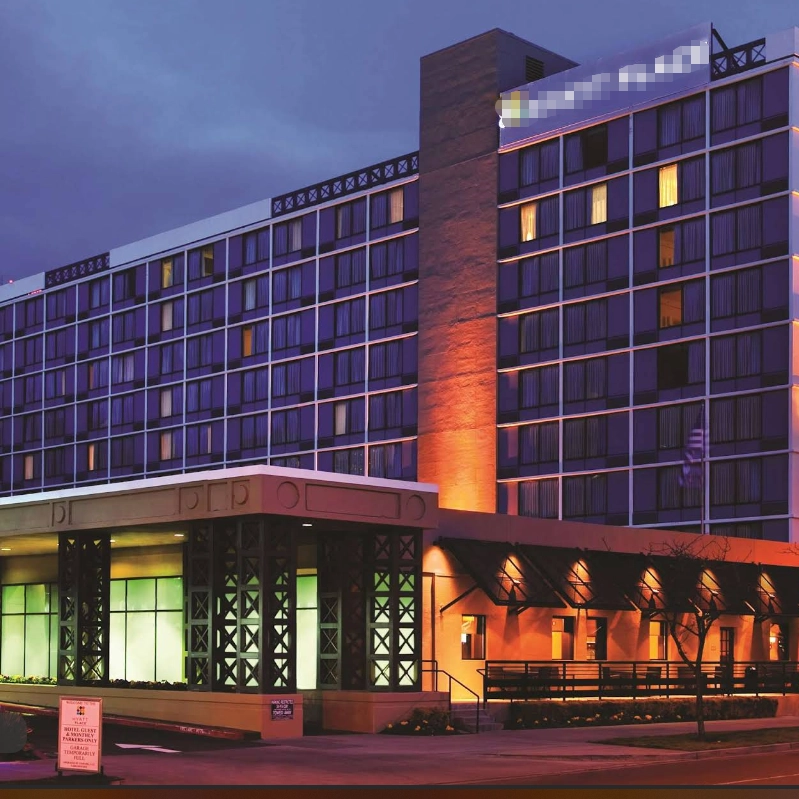
MEIYI Hotel Full-House Custom Furniture Solutions
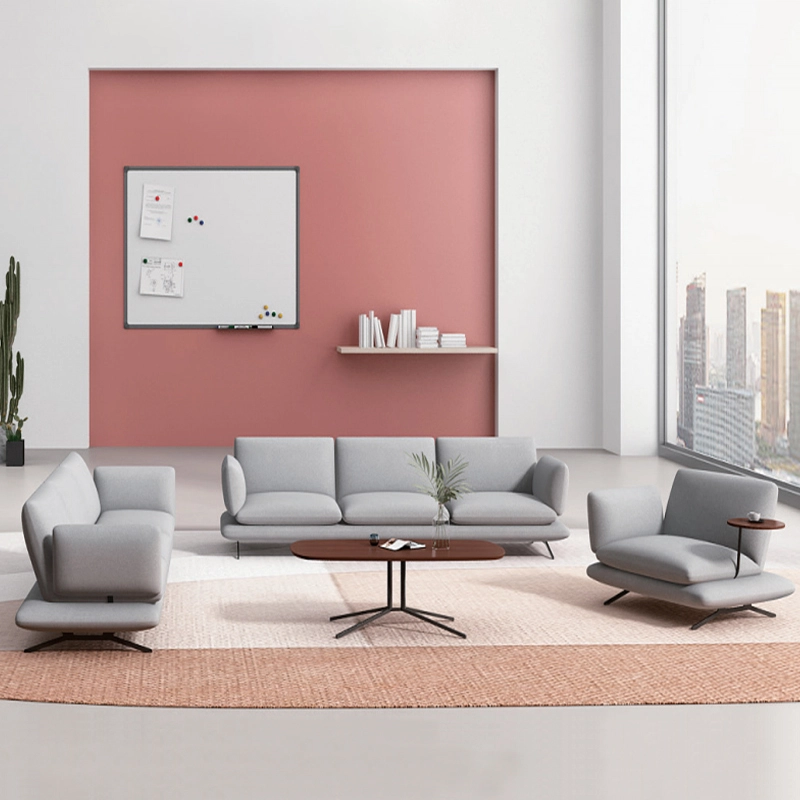
Modern Office Waiting Sofa Set Comfortable Lounge Seating
Customizable sofas, featuring a teddy fabric cover that's durable and stain-resistant. Customizable sizes are also available. This sofa features a sturdy frame and high-quality materials, making it suitable for everyday use. Its versatile design makes it ideal for living rooms, apartments, lounge areas, and even cozy reading nooks. It's more than just a sofa; it's a statement piece for stylish and intelligent living.

MEI YI Furniture × Hotel: Custom Furniture Empowers the Quality Upgrade of a National Hotel Brand
MEI YI Furniture partners with Hotel to deliver custom hotel furniture that combines high-efficiency and durability. This collaboration elevates the quality of a national hotel brand, showcasing MEI YI’s expertise in crafting tailored, long-lasting solutions for High Quality hospitality spaces.
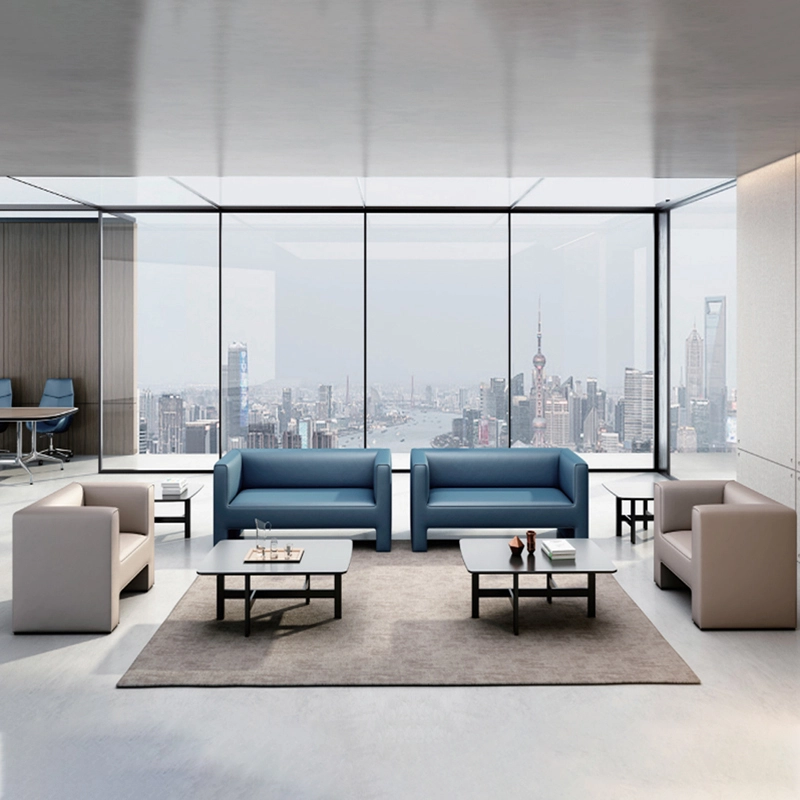
High Quality Wholesale Custom Furniture Waiting Sofa Modern Leisure Sofa
Customizable sofas, featuring a artificial leather cover that's durable and stain-resistant. Customizable sizes are also available. This sofa features a sturdy frame and high-quality materials, making it suitable for everyday use. Its versatile design makes it ideal for living rooms, apartments, lounge areas, and even cozy reading nooks. It's more than just a sofa; it's a statement piece for stylish and intelligent living.
Want to get more of our articles?
Contact one of our sales representatives or fill out this form.
MEI YI Furniture provides a one-stop service for the design, manufacturing, and customization of office, hotel, and school furniture.
Contact: Asya
Email: asya@myofficefurniture.com.cn
WhatsApp: +86 134 2216 1319
Address: No. 25, Nan Street, Jinpan, Zhongluotan Town, Baiyun District, Guangzhou, China.
Whatsapp: +8613422161319
Fackbook
Instagram
YouTube