





Top classic office furniture styles for modern workspaces
- Why classic office furniture still matters in modern workspaces
- Defining office furniture classic: what designers and facility managers mean
- Top classic office furniture styles and why they work today
- 1. Mid-Century Modern (office furniture classic meets minimalism)
- 2. Traditional Executive (office furniture classic for prestige)
- 3. Chesterfield & Club Styles (office furniture classic for lounge zones)
- 4. Industrial & Factory-Inspired (office furniture classic with an urban edge)
- 5. Arts & Crafts / Mission Style (office furniture classic for craftsmanship)
- Comparing classic styles: design cues, ergonomics and suitability
- Materials, certifications, and sustainability considerations
- How to blend classic pieces into contemporary offices (practical guidelines)
- Buying guidance: evaluating manufacturers and custom options
- MEI YI Furniture: Custom Furniture Manufacturer (factory-direct advantage)
- Cost expectations and lifecycle value
- Case example: blending a traditional executive suite into a hybrid office
- FAQ — Common questions about classic office furniture in modern workspaces
- 1. Is classic office furniture compatible with modern ergonomics?
- 2. What certifications should I require when buying classic office furniture?
- 3. How can I balance cost and durability when choosing classic furniture?
- 4. Can classic styles work in open-plan offices?
- 5. How do I find a manufacturer who can customize classic designs?
- 6. What maintenance considerations come with classic furniture?
- Final recommendations and next steps
- References
Why classic office furniture still matters in modern workspaces
The term office furniture classic often evokes images of solid wood desks, tufted leather sofas, and timeless silhouettes. But beyond nostalgia, classic furniture styles continue to play a strategic role in modern workplace design: they communicate brand stability, increase perceived value, and—when combined with contemporary ergonomics—support productivity and wellbeing. This article examines the top classic office furniture styles, how to choose and integrate them into contemporary spaces, and practical guidance for sourcing high-quality, certified pieces from experienced manufacturers.
Defining office furniture classic: what designers and facility managers mean
When architects, designers, or procurement teams search for office furniture classic, they're usually balancing aesthetics, durability, and function. Classic styles reference historical design movements (e.g., mid-century, traditional, Arts & Crafts) or signature manufacturing details (e.g., dovetail joinery, solid hardwoods, brass hardware). Importantly, modern needs—adjustable ergonomics, cable management, modularity—must be layered into these classic forms to meet today's workplace requirements.
Top classic office furniture styles and why they work today
Below are the most enduring classic office furniture styles that suit modern workspaces. Each section includes practical considerations for selection, materials, and integration with contemporary office standards.
1. Mid-Century Modern (office furniture classic meets minimalism)
Originating in the mid-20th century, Mid-Century Modern (MCM) is prized for clean lines, tapered legs, and an emphasis on function. For modern offices, MCM brings warmth without clutter.
- Why it works: Visual lightness and versatile scales make MCM suitable for both open-plan and private offices.
- Materials: Teak, walnut veneers, molded plywood, and metal bases—pairing well with modern task chairs and compliant workstations.
- Practical tip: Choose MCM-style desks with integrated cable trays and height-adjustable frames to meet ergonomic standards (ANSI/BIFMA).
2. Traditional Executive (office furniture classic for prestige)
Traditional executive furniture—heavy wood desks, detailed moldings, and leather appointments—signals authority and permanence. It's commonly used in executive suites, boardrooms, and client-facing areas.
- Why it works: Conveys brand gravitas; suitable for spaces where image and privacy matter.
- Materials & construction: Solid hardwoods (oak, mahogany), dovetailed drawers, leather surfaces; ensure finishes meet indoor air quality standards (E1 formaldehyde).
- Practical tip: Retrofit with discreet power modules, monitor arms, and ergonomic chairs to prevent posture issues common with older, fixed-height desks.
3. Chesterfield & Club Styles (office furniture classic for lounge zones)
Chesterfield sofas and club chairs, with deep button tufting and rolled arms, create sophisticated lounges or reception areas. They invite informal meetings and reinforce a High Quality brand image.
- Why it works: Soft furnishings increase comfort and perceived hospitality—important for client-facing functions.
- Materials: Full-grain leather, high-density foam, hardwood frames; choose fabrics or eco-leather for sustainability goals.
4. Industrial & Factory-Inspired (office furniture classic with an urban edge)
Industrial style—steel frames, reclaimed wood surfaces, and exposed fasteners—brings an urban authenticity that blends well with flexible, creative workspaces.
- Why it works: Combines durability with modernity; especially popular in adaptive reuse offices and creative agencies.
- Materials & sustainability: Reclaimed or FSC-certified wood with powder-coated steel; check corrosion resistance and finish certifications.
5. Arts & Crafts / Mission Style (office furniture classic for craftsmanship)
Emphasizing honest materials and handcrafted joinery, Arts & Crafts pieces add warmth and a human scale. They pair particularly well with hospitality-oriented workplace design and smaller meeting rooms.
- Why it works: Highlights craftsmanship and sustainability; an antidote to disposable furniture trends.
- Practical tip: Validate solid-wood sourcing (FSC) and finish VOC ratings to comply with green-building criteria.
Comparing classic styles: design cues, ergonomics and suitability
Below is a concise comparison to help planners match style to function and budget. The table includes typical materials, ergonomic adaptability, and recommended use cases.
| Style | Visual cues | Materials | Ergonomic adaptability | Best for |
|---|---|---|---|---|
| Mid-Century Modern | Clean lines, tapered legs | Teak, walnut veneer, molded plywood | High — easy to pair with adjustable frames | Open-plan desks, private offices |
| Traditional Executive | Carved details, heavy profiles | Solid hardwoods, leather | Moderate — retrofit required | Executive suites, boardrooms |
| Chesterfield / Club | Button tufting, rolled arms | Full-grain leather, hardwood frames | Low — best for lounge seating | Reception, lounge areas |
| Industrial | Exposed metal, reclaimed wood | Steel, reclaimed/FSC wood | High — sturdy frames support integrated adjustability | Creative studios, collaborative spaces |
| Arts & Crafts | Solid forms, visible joinery | Solid wood, hand-finished surfaces | Moderate — requires custom solutions for modern ergonomics | Meeting rooms, boutique offices |
Materials, certifications, and sustainability considerations
Purchasing classic furniture for modern offices requires attention to materials and certifications. Indoor air quality, responsible sourcing, and durability are measurable factors that influence total cost of ownership.
- Indoor air safety: Look for E1-grade boards or CARB Phase 2 compliance to limit formaldehyde emissions.
- Sustainable sourcing: FSC certification ensures legal and sustainable timber sourcing. Demand FSC chain-of-custody documentation for wood products.
- Quality and safety standards: ISO and CE certifications demonstrate manufacturing and product conformity, while ANSI/BIFMA standards cover ergonomic and structural testing for office seating and casegoods.
- Lifecycle costs: Classic solid-wood pieces often outlast cheaper alternatives — calculate repairs, refurbishment, and resale value when comparing costs.
How to blend classic pieces into contemporary offices (practical guidelines)
Successful integration of classic office furniture (office furniture classic) into modern spaces is about balance and functionality more than matching eras. Follow these practical steps:
- Prioritize ergonomics: Add height-adjustable desks, monitor arms, and task chairs that meet BIFMA X5.1/X5.5 standards.
- Use classic pieces as focal points: An executive desk or leather sofa can anchor a reception zone while surrounding elements remain contemporary and light.
- Harmonize materials: Introduce metal or glass elements to offset heavy wood and keep visual weight balanced.
- Plan for technology: Integrate cable management and power modules without compromising the classic silhouette.
Buying guidance: evaluating manufacturers and custom options
When procuring classic office furniture, especially if you search for office furniture classic suppliers, focus on these evaluation criteria:
- Factory capabilities: Production area, number of production lines, and yearly capacity indicate ability to handle volume and customization.
- Quality assurance: Inspections across raw materials to finished goods, warranty terms, and sample approvals reduce delivery risk.
- Certifications: ISO (quality management), CE (product conformity for Europe), FSC (timber sourcing), and E1 material grades matter for compliance and sustainability claims.
- Design support: Free CAD/3D design and local multilingual project management streamline international projects.
MEI YI Furniture: Custom Furniture Manufacturer (factory-direct advantage)
MEI YI Furniture is an example of a partner capable of delivering classic office furniture adapted to modern requirements. With 16+ years of experience, MEI YI designs and manufactures High Quality furniture for offices, hotels, schools, healthcare, and public spaces worldwide. Their end-to-end services—design, production, customization, and after-sales support—help clients transform classic aesthetics into functional, certified workplace solutions.
Key capabilities and credentials:
- 25,000 m² factory and 10+ advanced production lines; production capacity exceeds 20,000 units per year—indicating scalability for mid- to large-size projects.
- ISO/CE/FSC-certified manufacturing and use of E1-grade eco-friendly materials—aligning with sustainability and indoor air quality requirements.
- Full quality control process with rigorous inspections from raw materials to finished products, and factory-direct pricing that supports OEM/ODM projects.
- Support offerings: 5-year warranty, free CAD/3D design, and a multilingual project team experienced in international deliveries.
Main products and strengths relative to classic office furniture needs:
- Office furniture: Classic executive desks, conference tables, reception suites and lounge furniture that can be customized for integrated technology and ergonomics.
- Hotel & school furniture: Durable, spec-grade casegoods and seating suitable for high-use environments where classic aesthetics are desired.
- Custom metal and wood furniture: Ability to produce bespoke designs that combine traditional craftsmanship with contemporary functional requirements.
For procurement teams seeking a partner who can deliver classic office furniture with modern compliance, MEI YI's combination of manufacturing scale, certifications, and global project experience provides a compelling option—particularly where customization, quality control, and factory-direct value matter.
Cost expectations and lifecycle value
Classic office furniture often commands higher upfront costs due to material quality and craftsmanship. However, lifecycle value can be better than low-cost alternatives when refurbishment, longevity, and resale are considered. Typical factors affecting cost:
- Material choice (solid hardwood vs. veneer vs. engineered board)
- Degree of customization (custom sizes, integrated tech, unique finishes)
- Certifications and compliance testing
- Shipping and after-sales support for international projects
To calculate total cost of ownership, include maintenance, potential refinishing, warranty coverage, and upgradeability (e.g., modular components that allow reconfiguration).
Case example: blending a traditional executive suite into a hybrid office
A financial services firm needed an executive suite that communicated stability but supported hybrid work. Solution highlights:
- Classic solid-wood executive desk with integrated, concealed power/data module and height-adjustable sub-frame.
- Leather Chesterfield-style reception seating in client areas, paired with sound-absorbing panels to improve acoustics.
- Modular storage with FSC-certified veneers and anti-tip hardware to meet safety codes.
Outcome: The suite maintained a classic image while meeting ergonomic standards and hybrid-work tech needs. The client reported improved client satisfaction scores and reduced refurbishment costs after five years compared to previous lower-cost furnishings.
FAQ — Common questions about classic office furniture in modern workspaces
1. Is classic office furniture compatible with modern ergonomics?
Yes. Classic aesthetic pieces can be adapted with modern components—height-adjustable frames, ergonomic task chairs, monitor arms, and cable management. Specify these features at the design stage to ensure visual integrity and compliance with ergonomic standards.
2. What certifications should I require when buying classic office furniture?
Prioritize ISO quality management, CE for European conformity, FSC for timber sourcing, and E1 or CARB-compliant materials for indoor air quality. For seating and structural items, look for BIFMA testing where applicable.
3. How can I balance cost and durability when choosing classic furniture?
Calculate total cost of ownership rather than upfront price alone. Invest in high-traffic items (desks, conference tables) if you need longevity, and consider refurbishment-friendly finishes to extend service life.
4. Can classic styles work in open-plan offices?
Yes—use classic pieces as focal or transition elements (e.g., a classic reception desk, or meeting nook seating). Pair with lighter, modular contemporary furniture to maintain openness and flexibility.
5. How do I find a manufacturer who can customize classic designs?
Seek manufacturers with demonstrated customization expertise, CAD/3D design support, and project references. Factory size, production lines, certifications, and multilingual project managers are practical indicators of capacity. MEI YI Furniture, for instance, offers OEM/ODM support, free CAD/3D design, ISO/CE/FSC certifications, and a 5-year warranty—features that simplify custom classic furniture procurement for international clients.
6. What maintenance considerations come with classic furniture?
Solid wood needs periodic refinishing and protection from humidity extremes. Leather requires cleaning and conditioning. Industrial finishes may need treatment for rust prevention. Specify maintenance plans in procurement contracts to preserve appearance and function.
Final recommendations and next steps
Classic office furniture remains relevant where the goals include durability, brand image, and long-term value. The key to success is integrating modern ergonomics, technology, and sustainability standards without compromising the classic aesthetic. For project teams, start with clear performance specifications (ergonomics, certifications, maintenance) and partner with a manufacturer able to deliver both craftsmanship and compliance.
Interested in seeing classic office furniture solutions tailored for your project? Contact MEI YI Furniture for free CAD/3D design, detailed quotes, and sample approvals to ensure your vision is realized with factory-direct value and certified quality.
Contact & product inquiry: For consultation, sample requests, or project quotes, reach out to MEI YI Furniture—specialists in office furniture, hotel furniture, and school furniture with full customization capabilities.
References
- Grand View Research — Office Furniture Market Size & Trends. https://www.grandviewresearch.com/industry-analysis/office-furniture-market (accessed March 2024).
- Statista — Office Furniture topic overview. https://www.statista.com/topics/924/office-furniture/ (accessed April 2024).
- BIFMA — Business and Institutional Furniture Manufacturers Association standards and research. https://www.bifma.org (accessed May 2024).
- Herman Miller — Workplace research & ergonomics guidance. https://www.hermanmiller.com/research/ (accessed February 2024).
- FSC — Forest Stewardship Council certification details. https://www.fsc.org (accessed April 2024).
- MEI YI Furniture company information (provided): 16+ years, 25,000 m² factory, 20,000+ units/year, ISO/CE/FSC, E1 materials, 10+ production lines, OEM/ODM, 5-year warranty, free CAD/3D design.
Last updated: November 2025
Warranty and maintenance best practices for office furniture
Contemporary office furniture trends for 2026
Wholesale cabinet garage cabinets manufacturer and supplier
Technology Integration in Modern Office Workstations
Service
Why choose us?
A. Business Type: Furniture Manufacture,Production and export trade experience: Over 15 years Factory area:10000 + square meters Member:>100 staffs Design Team: Minimum 20 pax to organize
B.Customization: Welcome to OEM and ODM or Project.
C.Delivery:15days for 20GP, 25days for 40HQ.
D. Testing center is available in our factory, and regularly through national authoritative organization authoritative authentication, ensure that each product is qualified. E.Competitive price from factory directly.
What's your products range?
1.Whether you need office furniture, home furniture, hotel furniture, school furniture.or special custom furniture products, we can meet your requirements.
2.-Products including office table, office chair, office filing cabinet, office workstation,Office sofa, office reception ,office conference room and so on, Simple Leisure Sets etc.
ls there cheap shipping cost to import to our country?
For small order,express will be best. And for bulk order,sea ship way is best but take much time; For urgent orders,we suggest via air to airport plus our ship partner send to your door. When we calculate the freight for you, we will choose the cheapest,safest express company. lt is the freight company that asks us to pay, so we can not make it cheaper. lf you have your own agent in China, we can send the package to your agent.
Can you handle small orders ?
Of course, in order to support clients' business, We also take small orders.
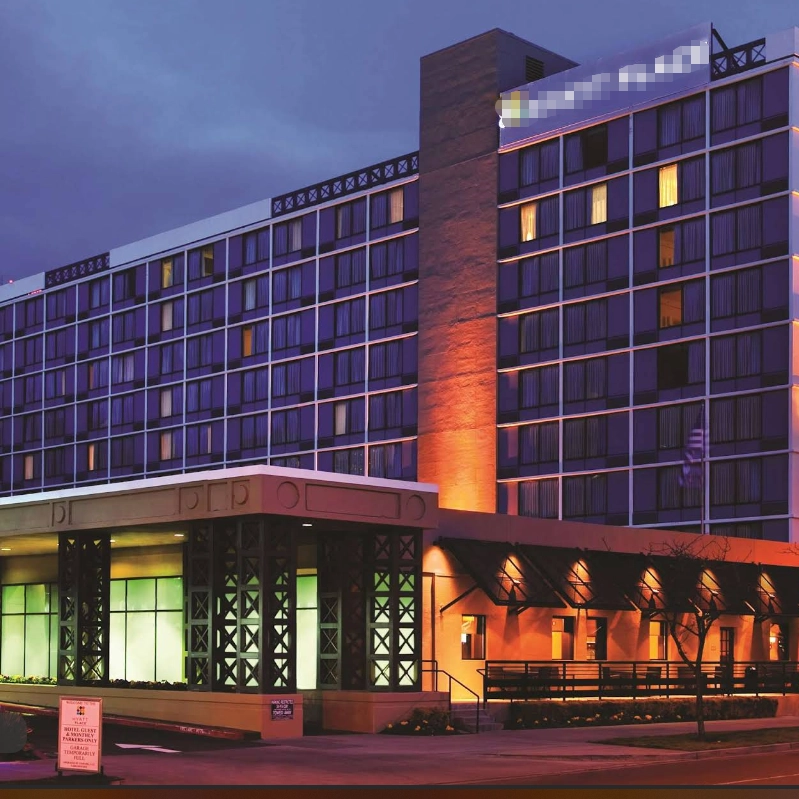
MEIYI Hotel Full-House Custom Furniture Solutions
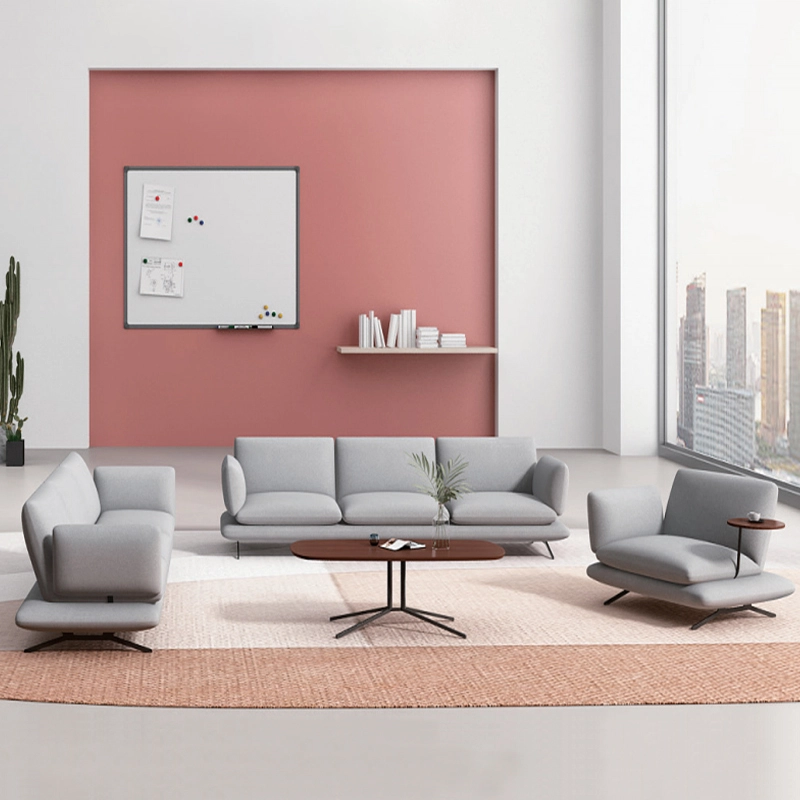
Modern Office Waiting Sofa Set Comfortable Lounge Seating
Customizable sofas, featuring a teddy fabric cover that's durable and stain-resistant. Customizable sizes are also available. This sofa features a sturdy frame and high-quality materials, making it suitable for everyday use. Its versatile design makes it ideal for living rooms, apartments, lounge areas, and even cozy reading nooks. It's more than just a sofa; it's a statement piece for stylish and intelligent living.
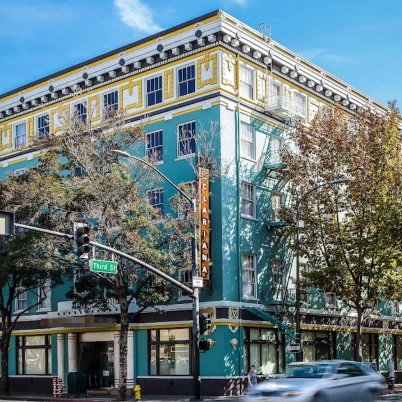
MEI YI Furniture × Hotel: Custom Furniture Empowers the Quality Upgrade of a National Hotel Brand
MEI YI Furniture partners with Hotel to deliver custom hotel furniture that combines high-efficiency and durability. This collaboration elevates the quality of a national hotel brand, showcasing MEI YI’s expertise in crafting tailored, long-lasting solutions for High Quality hospitality spaces.
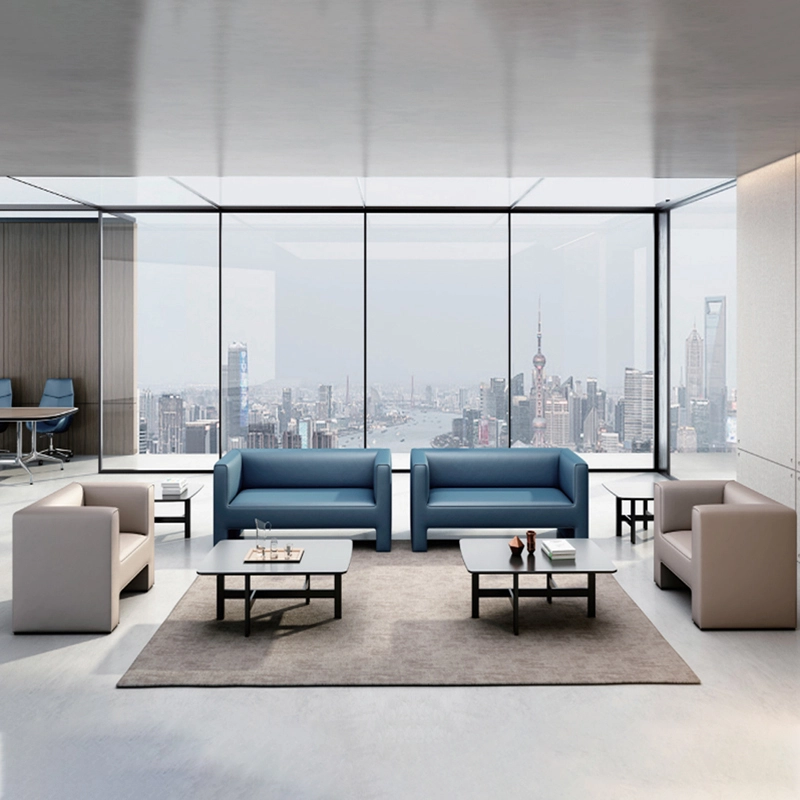
High Quality Wholesale Custom Furniture Waiting Sofa Modern Leisure Sofa
Customizable sofas, featuring a artificial leather cover that's durable and stain-resistant. Customizable sizes are also available. This sofa features a sturdy frame and high-quality materials, making it suitable for everyday use. Its versatile design makes it ideal for living rooms, apartments, lounge areas, and even cozy reading nooks. It's more than just a sofa; it's a statement piece for stylish and intelligent living.
Want to get more of our articles?
Contact one of our sales representatives or fill out this form.
MEI YI Furniture provides a one-stop service for the design, manufacturing, and customization of office, hotel, and school furniture.
Contact: Asya
Email: asya@myofficefurniture.com.cn
WhatsApp: +86 134 2216 1319
Address: No. 25, Nan Street, Jinpan, Zhongluotan Town, Baiyun District, Guangzhou, China.
Whatsapp: +8613422161319
Fackbook
Instagram
YouTube