





How to audit quality when sourcing custom home furniture?

- How to audit quality when sourcing custom home furniture?
- 1) How can I verify a supplier’s wood legality and sustainability for custom furniture beyond a simple FSC logo?
- 2) What exact tests and reports should I demand for formaldehyde and VOC emissions so indoor furniture meets US and EU rules?
- 3) For custom one-off or very small-batch furniture, how do I build an inspection plan when standard AQL sampling is not appropriate?
- 4) Which production checkpoints should I audit for complex joinery (mortise & tenon, dovetail) to ensure long-term durability?
- 5) How do I verify upholstery and textile compliance (flammability, pilling, colorfastness) and get meaningful lab reports?
- 6) What QA contractual clauses and commercial remedies are effective when sourcing custom furniture from overseas manufacturers?
- 7) How do I build a supplier quality scorecard for custom furniture that balances aesthetics, function, lead time and sustainability?
- Closing: Why these practices protect your supply and brand
- MEI YI — How we help
How to audit quality when sourcing custom home furniture?
Below are 7 specific long-tail questions new buyers and procurement teams often ask but find only shallow or outdated answers for online. Each Q includes practical, industry-grounded steps you can apply immediately when sourcing custom home furniture from domestic or overseas manufacturers. All recommendations reference widely accepted standards, accredited testing labs and typical inspection practices used by furniture manufacturers and professional auditors.
1) How can I verify a supplier’s wood legality and sustainability for custom furniture beyond a simple FSC logo?
Why this matters: Illegal or mis-declared timber risks legal penalties, border detention, and reputational damage. For custom pieces you also need consistent species and grade to meet design and durability promises.
Concrete steps:
- Request chain-of-custody (CoC) documentation: authenticated invoices, shipping manifests, mill/forest origin statements and CoC certificate numbers (FSC or PEFC). Match CoC numbers to the certifier’s registry.
- Require supplier due diligence: a written timber due-diligence procedure showing risk assessment and mitigation (country risk, species risk, supplier screening).
- Ask for supporting trade docs and customs declarations showing species names and HS codes; cross-check botanical names (latin) to avoid ambiguous common names.
- For higher risk species or regions, request independent verification: wood anatomy identification (macroscopic/microscopic), stable isotope or DNA testing where available.
- Include contract clauses requiring immediate notification of any wood supply changes and permission to audit upstream mills.
Standards & proof points to require: FSC/PEFC CoC numbers, supplier due-diligence records, and third-party lab ID when species is critical.
2) What exact tests and reports should I demand for formaldehyde and VOC emissions so indoor furniture meets US and EU rules?
Why this matters: Indoor air quality affects comfort, health and compliance. Different markets require different thresholds and testing methods.
Minimum actions:
- Require third-party testing from ISO/IEC 17025 accredited labs. Lab reports must show test methods, sample IDs, conditioning, and test dates.
- For the US market, require compliance with CARB Phase 2 / TSCA Title VI for composite wood products (particleboard, MDF). For the EU, require EN 717-1 or chamber-based EN methods for formaldehyde emission if applicable.
- For total VOCs and indoor emissions, request GREENGUARD or other recognized low-emission certification, or chamber test reports using ISO 16000 series methods where applicable.
- Request test reports that include sample preparation, source materials (veneer, adhesives, laminates), and pass/fail against the specific regulation you target (CARB/TSCA limits, or the client-specified limit in mg/m3).
- Include a requirement for production-line re-testing after material or formula changes and before bulk shipments.
Note: Always specify the regulation and limit in the purchase order (e.g., “Must comply with TSCA Title VI: formaldehyde emission limit X mg/m3 per applicable method”).
3) For custom one-off or very small-batch furniture, how do I build an inspection plan when standard AQL sampling is not appropriate?
Why this matters: AQL sampling (ANSI/ASQ Z1.4) is optimized for mass production. For single-piece or small-batch custom orders, it can miss critical defects that damage MEI YI.
Actionable audit plan for small runs/one-offs:
- Use 100% visual and functional inspection for high-value one-offs—surface finish, joinery fit, dimensions, hardware function, and upholstery fit.
- For very small batches (2–20 units), adopt a tightened acceptance criteria: 100% visual check, plus 1–2 units selected for destructive or accelerated durability testing (hinge cycles, seat drop tests, joint shear) as applicable.
- Create a component-level checklist: material grade, moisture content, glue type, fastener specs, hardware torque, finish thickness, color match tolerance (Delta E limit), seam tolerance in upholstery, etc.
- Define ‘critical’, ‘major’, and ‘minor’ defects in the contract. For custom furniture, treat anything affecting structure or safety as critical and require immediate remedy or replacement.
- Include pre-shipment photo and video evidence with measurement overlays and a mandatory QA sign-off from factory QA and your representative or third-party inspector.
4) Which production checkpoints should I audit for complex joinery (mortise & tenon, dovetail) to ensure long-term durability?
Why this matters: Poorly executed joinery can cause early failure even if the piece looks perfect at handover.
Key checkpoints and tests:
- Material & conditioning: verify species, grade, kiln-dried moisture content (target usually 6–10% for indoor furniture depending on destination climate) and consistent lamination grain direction.
- Machining tolerances: inspect fit tolerances—gaps, shoulder flushness, and alignment using feeler gauges/calipers; document acceptable tolerances in mm for each joint type.
- Adhesive & glue line: check adhesive type (PVA, polyurethane, etc.), shelf life, mix ratios, open time, and clamp pressure and duration. Require batch records for gluing operations.
- Assembly jigs and fixtures: verify templates/jigs are used and maintained; inspect for wear that can introduce misalignment.
- Post-assembly conditioning: allow assembled components to equilibrate before finishing to avoid joint stress from moisture changes.
- Destructive/accelerated tests: for critical joinery, request one-off pull-out/shear or cyclic load tests on a sample unit, witnessed by your QA rep or third-party lab.
5) How do I verify upholstery and textile compliance (flammability, pilling, colorfastness) and get meaningful lab reports?
Why this matters: Textile failures are common causes of customer complaints—especially color fade, pilling and inadequate fire performance in rentals or multi-unit housing.
Practical steps:
- Specify required tests in the contract: colorfastness to rubbing & light (ISO 105 series), Martindale abrasion or pilling (ISO 12947 / ISO 12945), seam strength (ISO 13936 or equivalent), and any flame retardancy standard required by destination market (e.g., local building codes, residential vs. contract standards).
- Ask for full lab test reports from ISO/IEC 17025 labs showing sample IDs linked to actual production rolls, test methods used, environmental conditions during testing and the pass/fail decision against the limit you set.
- For dye lots, require dye-lot tracking and a color approval sample (physical swatch) signed off by you before production starts. Insist on Delta E numeric acceptance criteria for color match where precision is needed.
- For contract or hospitality furniture, request certifications or tests required by local codes (e.g., crib 5 / CA TB 133 or equivalent for seating in public spaces) and require re-testing after any change in fabric or treatment.
6) What QA contractual clauses and commercial remedies are effective when sourcing custom furniture from overseas manufacturers?
Why this matters: Clear contractual terms prevent disputes, speed remedies and align incentives.
Essential clauses & structure:
- Define acceptance criteria in detail (materials, tolerances, finishes, labels, packaging). Attach technical specification sheets and approved samples as contract exhibits.
- Inspection & testing: specify who pays for pre-shipment inspection and independent lab tests, what constitutes pass/fail, and the right to withhold payment for failed lots.
- Warranty & remedies: minimum warranty period (e.g., 12–36 months depending on product), repair/replacement timelines, pro-rata refunds, and repair allowance formulas.
- Quality holdback: retain a percentage of payment (e.g., 5–10%) until final acceptance or successful independent lab tests for critical safety items.
- Corrective action: require a written CAPA (corrective and preventive action) plan with root-cause analysis and closure evidence within a specified timeframe for major failures.
- IP protection: clauses for tooling ownership, sample returns, confidentiality and explicit non-use of your designs for third-party sales without permission.
- Right to audit and source-change notification: include the right to audit factories and require advance notice plus re-testing when materials/chemistry/hardware changes occur.
7) How do I build a supplier quality scorecard for custom furniture that balances aesthetics, function, lead time and sustainability?
Why this matters: A weighted scorecard focuses supplier improvement where it matters most for MEI YI and projects.
Example scorecard structure (weights can be adjusted per business model):
- Quality (40%): defect ppm or number of critical/major defects per order, finishing quality score, fit & finish acceptance rate.
- Delivery (20%): on-time delivery rate, lead-time variance, emergency response time.
- Technical compliance (15%): pass rate for formaldehyde/VOC tests, flammability tests, and required certifications.
- Sustainability & compliance (10%): % certified wood (FSC/PEFC), evidence of due diligence, waste management practices.
- Service & responsiveness (10%): corrective action close-out time, communication rating, sample turnaround time.
- Cost & continuous improvement (5%): cost variance vs. quote, implemented improvement suggestions.
Use quarterly scoring with defined thresholds for corrective actions, probation and de-listing. Track trend lines over time; improvement trajectory matters as much as absolute scores for strategic suppliers.
Closing: Why these practices protect your supply and brand
Custom furniture combines aesthetics with structural performance; surface appearance alone is insufficient. Audit programs must connect: supplier documentation, material testing (accredited labs), in-process controls (jigs, adhesives, moisture control), and contractual enforcement (inspection rights, holdbacks, warranties). For small or bespoke orders, increase inspection strictness and require destructive or accelerated testing on samples.
MEI YI — How we help
MEI YI specializes in custom home furniture manufacturing with end-to-end quality systems: ISO-aligned factory QA, on-site QC teams, partnerships with ISO/IEC 17025 accredited labs, chain-of-custody verification for timber, and documented CAPA processes. We provide detailed technical specifications, pre-production sample approvals, and structured supplier scorecards to protect design intent and ensure compliance with regulatory requirements across target markets.
References & sources (accessed 2026-02-07):
- ISO — ISO 9001 Quality Management: https://www.iso.org/iso-9001-quality-management. (accessed 2026-02-07)
- FSC — Forest Stewardship Council: https://fsc.org (accessed 2026-02-07)
- CARB — California Air Resources Board (Composite Wood Products Airborne toxic control measure / TSCA Title VI context): https://ww2.arb.ca.gov/our-work/programs/airborne-toxic-control-measures (accessed 2026-02-07)
- US EPA — TSCA Title VI overview: https://www.epa.gov/formaldehyde (accessed 2026-02-07)
- GREENGUARD — UL GREENGUARD Certification (low chemical emissions): https://www.ul.com/resources/ul-greenguard-certification (accessed 2026-02-07)
- OEKO-TEX — Textile testing and certification: https://www.oeko-tex.com (accessed 2026-02-07)
- ANSI/ASQ Z1.4 — Sampling procedures and AQL: https://asq.org/quality-resources/aql (accessed 2026-02-07)
- ISO/IEC 17025 — Requirements for the competence of testing and calibration laboratories: https://www.iso.org/standard/66912. (accessed 2026-02-07)
- BIFMA — Furniture performance standards (office/contract reference): https://www.bifma.org (accessed 2026-02-07)
- Intertek & SGS — examples of global testing and inspection bodies that perform furniture and material tests (lab accreditation, emissions, flammability): https://www.intertek.com and https://www.sgs.com (accessed 2026-02-07)
End of article.
Latest Recommendations
Service
What's your products range?
1.Whether you need office furniture, home furniture, hotel furniture, school furniture.or special custom furniture products, we can meet your requirements.
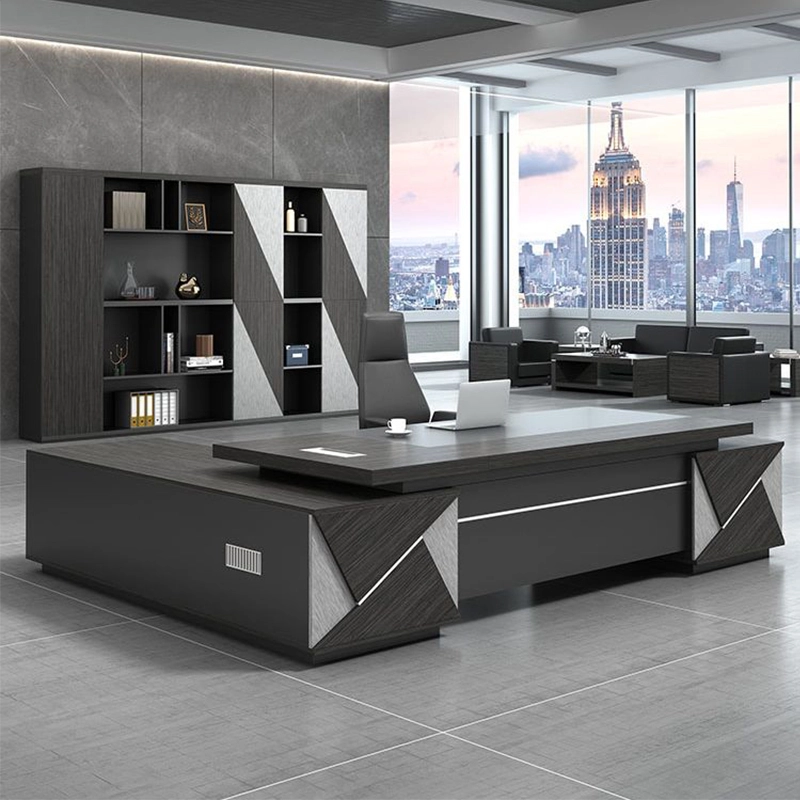
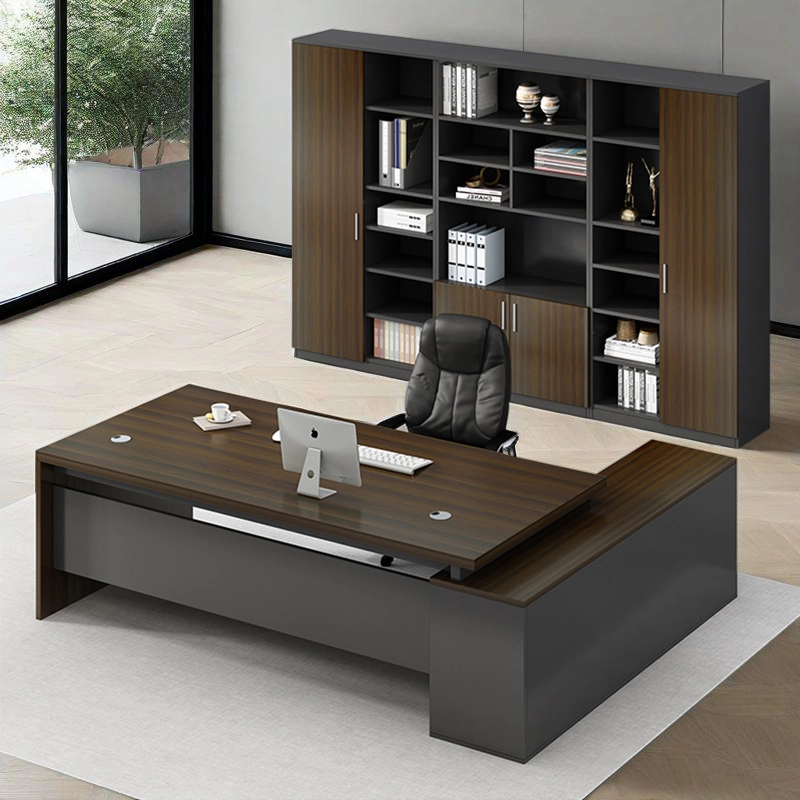
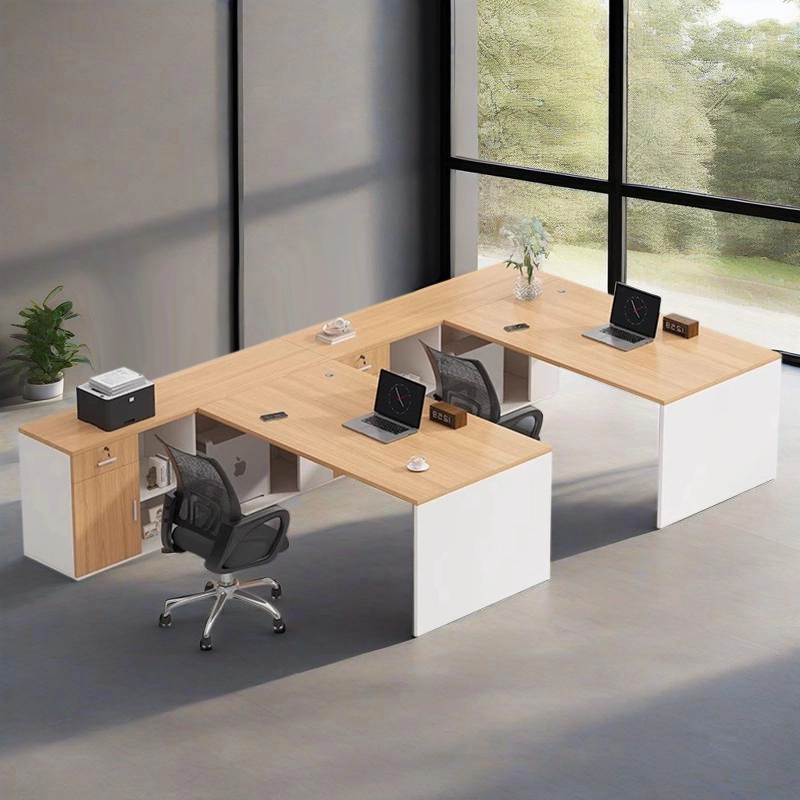
2.-Products including office table, office chair, office filing cabinet, office workstation,Office sofa, office reception ,office conference room and so on, Simple Leisure Sets etc.
Why choose us?
A. Business Type: Furniture Manufacture,Production and export trade experience: Over 15 years Factory area:10000 + square meters Member:>100 staffs Design Team: Minimum 20 pax to organize
B.Customization: Welcome to OEM and ODM or Project.
C.Delivery:15days for 20GP, 25days for 40HQ.
D. Testing center is available in our factory, and regularly through national authoritative organization authoritative authentication, ensure that each product is qualified. E.Competitive price from factory directly.
Can you handle small orders ?
Of course, in order to support clients' business, We also take small orders.
ls there cheap shipping cost to import to our country?
For small order,express will be best. And for bulk order,sea ship way is best but take much time; For urgent orders,we suggest via air to airport plus our ship partner send to your door. When we calculate the freight for you, we will choose the cheapest,safest express company. lt is the freight company that asks us to pay, so we can not make it cheaper. lf you have your own agent in China, we can send the package to your agent.
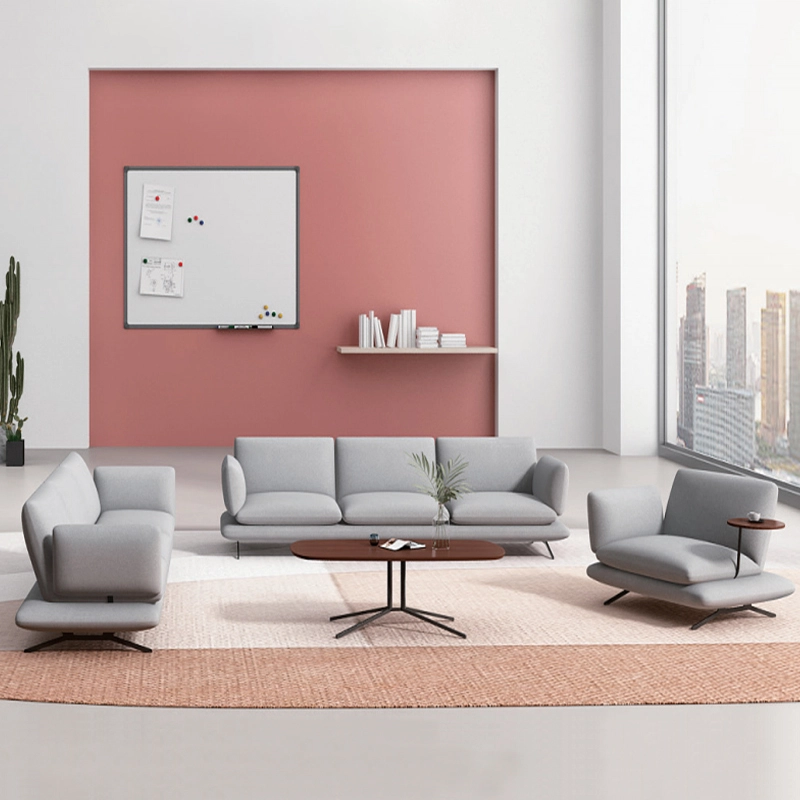
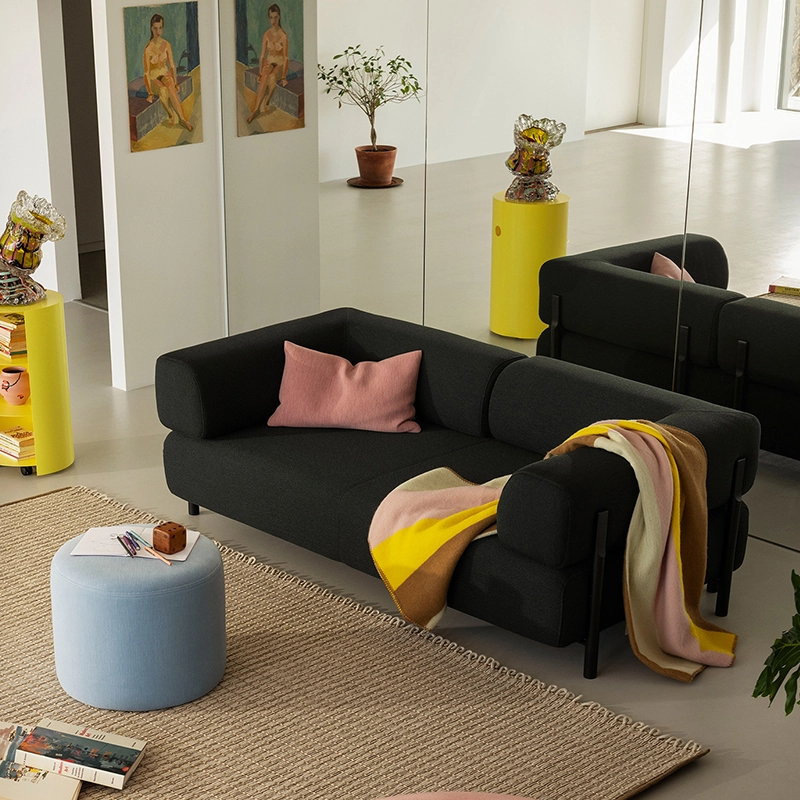
Customizable sofas, featuring a teddy fabric cover that's durable and stain-resistant. Customizable sizes are also available. This sofa features a sturdy frame and high-quality materials, making it suitable for everyday use. Its versatile design makes it ideal for living rooms, apartments, lounge areas, and even cozy reading nooks. It's more than just a sofa; it's a statement piece for stylish and intelligent living.

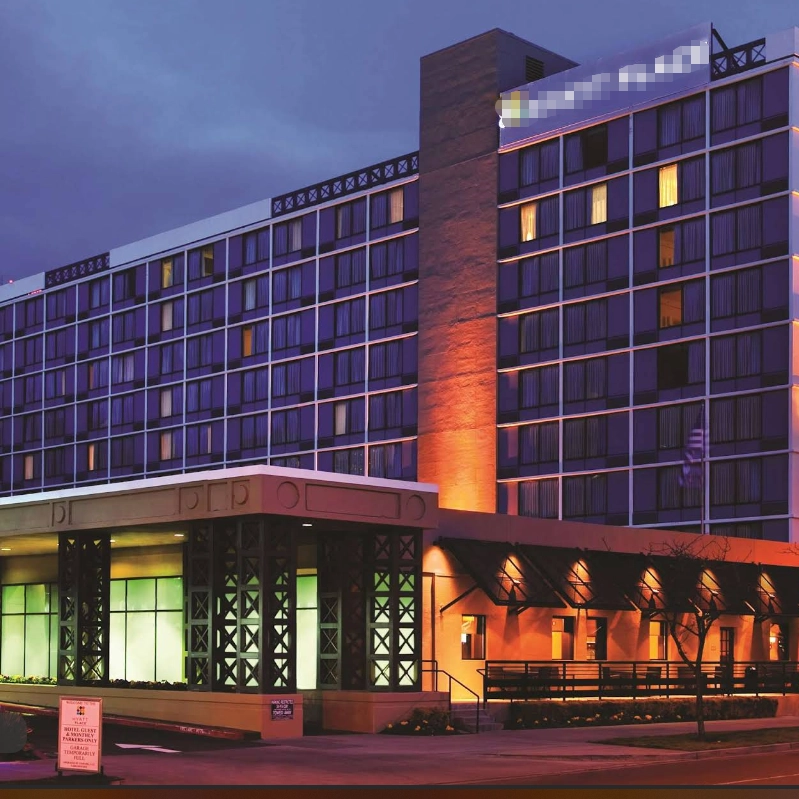
MEI YI Furniture partners with Hotel to deliver custom hotel furniture that combines high-efficiency and durability. This collaboration elevates the quality of a national hotel brand, showcasing MEI YI’s expertise in crafting tailored, long-lasting solutions for High Quality hospitality spaces.
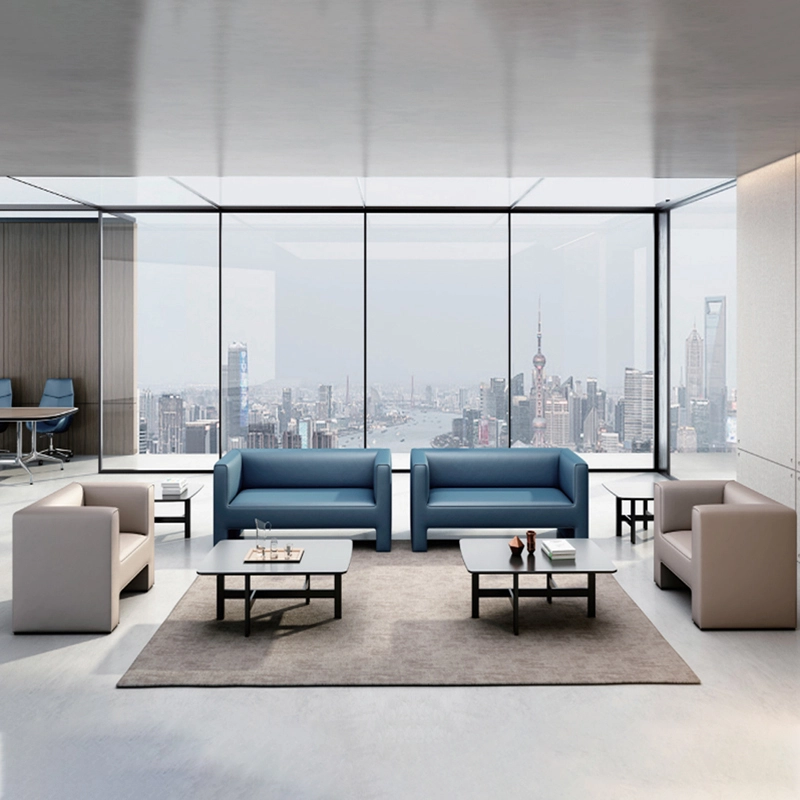
Customizable sofas, featuring a artificial leather cover that's durable and stain-resistant. Customizable sizes are also available. This sofa features a sturdy frame and high-quality materials, making it suitable for everyday use. Its versatile design makes it ideal for living rooms, apartments, lounge areas, and even cozy reading nooks. It's more than just a sofa; it's a statement piece for stylish and intelligent living.
Do you have any questions?
Contact one of our sales representatives or fill out this form.
MEI YI Furniture provides a one-stop service for the design, manufacturing, and customization of office, hotel, and school furniture.
Contact: Asya
Email: asya@myofficefurniture.com.cn
WhatsApp: +86 134 2216 1319
Address: No. 25, Nan Street, Jinpan, Zhongluotan Town, Baiyun District, Guangzhou, China.
Whatsapp: +8613422161319
Fackbook
Instagram
YouTube