





Why is customization important for ergonomic home furniture?

- Why is customization important for ergonomic home furniture?
- 1) How should I collect anthropometric data from a household to specify custom ergonomic furniture (so it fits the 5th–95th percentile without multiple costly prototypes)?
- 2) What minimum adjustability ranges should I require for an ergonomic home chair to properly fit 5th–95th percentile adults?
- 3) How to evaluate materials for indoor air quality (VOCs) and upholstery in custom orders—what certificates or thresholds should I request?
- 4) For custom modular furniture, how do I specify manufacturing and shipping tolerances so pieces assemble at home without rework?
- 5) How can I balance aesthetic customization with ergonomic function without expensive iterative prototypes?
- 6) What contractual warranties, acceptance tests and KPIs should I write into a custom furniture purchase order to protect ergonomic functionality and durability?
- 7) How do I validate a manufacturer's ergonomic claims—what tests or third-party evidence should I request?
- 8) What is a realistic lead-time and cost structure for custom ergonomic home furniture, and how can I reduce price without sacrificing ergonomics?
- Conclusion: How to operationalize these answers when you buy custom ergonomic home furniture
- Why choose MEI YI for custom ergonomic home furniture?
- Sources
Why is customization important for ergonomic home furniture?
Mass-market furniture is designed to fit an average body and an average use-case. Customization lets you match geometry, adjustability, materials and indoor-air quality to the actual users and the home context—reducing discomfort, lowering long-term health risk and improving perceived value. For procurement teams and small manufacturers, the challenge is translating ergonomic needs into specific, verifiable requirements. Below are 8 specific, practical long-tail questions (common among beginners but poorly answered online) with concrete, purchase-ready answers and spec ranges you can put in RFQs, contracts and technical drawings.
1) How should I collect anthropometric data from a household to specify custom ergonomic furniture (so it fits the 5th–95th percentile without multiple costly prototypes)?
What to ask users to measure (simple, repeatable):
- Standing height (cm / in).
- Sitting popliteal height (floor to underside of knee) — measured seated with feet flat (cm / in).
- Buttock–knee length (seat depth requirement) — seated from back of buttocks to front of knee (cm / in).
- Hip breadth (sitting) — widest hip across the seat area (cm / in).
- Elbow height seated (elbow to floor while sitting upright) — for armrest/desk alignment (cm / in).
- Typical seated tasks and daily sitting time (hours/day) — informs foam density and support features.
- Weight and foot/shoe size — for load rating and clearance considerations.
How to use the data: pick the product’s target percentile range. For home furniture that must fit multiple household members, design adjustability to cover roughly the 5th to 95th percentile of adult users for critical dimensions (seat height, seat depth, armrest height). If you need fewer adjustments and a narrower price, choose a narrower target (e.g., 15th–85th percentile for a family with similar body sizes).
Procurement tip: include a short measurement form in the RFQ and request a manufacturer-signed checklist that their proposed adjustability ranges cover the submitted user dimensions.
2) What minimum adjustability ranges should I require for an ergonomic home chair to properly fit 5th–95th percentile adults?
Demand concrete ranges in the contract. Industry-proven adjustable ranges (recommended minimums):
- Seat height (from floor): 410–530 mm (16.1–20.9 in).
- Seat depth (usable): 370–480 mm (14.6–18.9 in) or an adjustable seat slider with at least 110 mm travel.
- Armrest height above seat top: 150–260 mm (5.9–10.2 in) and lateral adjustability ±25 mm.
- Lumbar support vertical travel: 60–140 mm (2.4–5.5 in) and posterior-anterior depth adjustment ~20–40 mm.
- Backrest recline range: 90°–135° with lock and controlled damping.
- Minimum static load rating: 150–200 kg (330–440 lb) depending on market; specify a safety factor (typically 1.5–2× expected max user weight).
Why these numbers: they map to common anthropometric tables and practical comfort ranges. Always ask for test reports showing the mechanism maintains these ranges after lifecycle testing (see testing section).
3) How to evaluate materials for indoor air quality (VOCs) and upholstery in custom orders—what certificates or thresholds should I request?
Key certifications and test reports to require in the RFQ or contract:
- VOC emission certification: UL GREENGUARD Gold or equivalent third-party test report (shows low VOCs suitable for sensitive environments).
- Formaldehyde standard for wood panels: CARB Phase 2 compliance (California Air Resources Board) or EU E1 formaldehyde limit—request test reports from a recognized lab (SGS, Intertek, TÜV).
- Upholstery flammability: show compliance with local requirements—e.g., TB117-2013 (U.S. upholstery smolder standard) or applicable national fire test standards.
- Sustainable sourcing: FSC chain-of-custody certificate for solid wood or veneer; Leather Working Group (LWG) for leather suppliers if used.
Procurement clause: require recent lab certificates (within last 12 months) or full-material bills of materials (BOM) with vendor-supplied test reports. If the buyer’s market has strict IAQ rules (schools, childcare), raise the GREENGUARD threshold (specify Gold) and require compliance evidence.
4) For custom modular furniture, how do I specify manufacturing and shipping tolerances so pieces assemble at home without rework?
Critical tolerance strategy:
- Define function-critical dimensions with tolerance bands in the drawing set (e.g., dowel hole diameter ±0.5 mm for CNC-cut panels; mating panel length ±1.0 mm for edge-to-edge joins).
- Use interlocking features where possible (tongue & groove, cam-locks) rather than pure butt joints—these reduce field alignment sensitivity.
- Specify hardware and fastener standards (metric/imperial), pre-drilled pilot holes, and a template for on-site alignment if required.
- Shipping and flat-pack considerations: limit maximum panel size to typical parcel limits for target markets (e.g., < 2.2 m length or designed to break down into smaller modules), and require protective packaging details in the quote.
- Assembly time and skill level: state maximum acceptable assembly time (e.g., <90 minutes for a single individual) and include required tool list—this influences whether you ship partially assembled units.
Contractually require a first-off prototype and a short pilot shipment (1–5 units) for signoff before full production if tolerances are tight or the pieces integrate with existing architecture.
5) How can I balance aesthetic customization with ergonomic function without expensive iterative prototypes?
Use a staged validation process to keep costs low:
- Start with parametric CAD models and 3D user mockups (rapid, low cost). Use the anthropometric data from Question 1 to set the parameter ranges.
- Produce a ‘functional prototype’ focusing on geometry and adjustability only—use inexpensive materials (MDF, low-cost foam) to validate posture and clearances.
- Freeze mechanical and ergonomic parameters before committing to final finish/materials. Only after ergonomic signoff, apply final veneers, fabrics and trims.
- Use modular aesthetic swappable panels for finishes (so one validated ergonomic shell can accept multiple finish options without changing structure).
Designer–manufacturer pact: include a limited-change clause that separates ergonomic (must pass) from aesthetic (allowed with limits) changes to control cost. This avoids late-stage redesigns that breach ergonomics.
6) What contractual warranties, acceptance tests and KPIs should I write into a custom furniture purchase order to protect ergonomic functionality and durability?
Specify the following contract elements:
- Acceptance tests on delivery: visual QC + functional checks (seat height range, recline operation, armrest movement). Allow a short acceptance window (7–14 days) for household testing.
- Structural warranty: at least 3–7 years for frame and mechanisms (custom pieces commonly have 3–5 years; High Quality items 7–10). Spell out prorated vs. full replacement terms.
- Wear warranty: 12–24 months for upholstery and foam comfort loss; longer if high-grade materials are specified and certified.
- KPIs: cycle test thresholds (e.g., recline/tilt mechanism withstands 50,000 cycles), static load test (seat supports stated max with safety factor), and seat sag metric (foam height drop <15% after X cycles). Ask for lab reports where possible.
- Repair & spare parts: guarantee spare parts availability for a specified period (e.g., 5 years) and define lead times and costs.
- Remedies: define whether defects will be repaired on-site, replaced, or refunded, and who pays return shipping for custom items.
7) How do I validate a manufacturer's ergonomic claims—what tests or third-party evidence should I request?
Ask for third-party evidence and demonstrable KPIs:
- Regulatory and standards compliance: test reports to ANSI/BIFMA X5.1 (or relevant national equivalent) for seating durability and safety. For office-style home chairs, BIFMA test reports show lifecycle durability under standardized protocols.
- Lab reports from accredited labs (SGS, Intertek, TÜV) for mechanical life-cycle testing, static load tests and joint strength.
- Materials certification: GREENGUARD (VOC), CARB Phase 2 or EN/E1 (formaldehyde) for panels, FSC or PEFC for wood, LWG for leather, and manufacturer-supplied foam density/compression data.
- Field trials / case studies: ask for references and photos from previous similar custom projects, and if possible, a short client feedback questionnaire covering comfort, durability and post-sale support.
Procurement tip: include a clause reserving a portion of final payment until delivery of test reports and successful completion of acceptance testing.
8) What is a realistic lead-time and cost structure for custom ergonomic home furniture, and how can I reduce price without sacrificing ergonomics?
Typical timelines and cost drivers:
- Lead time ranges: 6–16 weeks after design signoff is common. Simple customizations and local manufacturing can be 4–8 weeks; complex bespoke upholstery, veneer matchings or imported hardware can extend to 12–20 weeks.
- Main cost drivers: complexity of mechanisms, custom tooling (molds, jigs), High Quality materials (high-density foam, top-grade leather, FSC hardwood), and small batch labor intensity.
- Realistic cost management tactics:
- Standardize internal platforms—use a validated ergonomic shell and offer finish/custom panels rather than redesigning structure for each order.
- Batch common components across orders (bulk buy mechanisms/fasteners) to reduce per-unit cost.
- Accept modular solutions—modularity lets you offer varied aesthetics at low incremental cost.
- Negotiate lead-time versus cost tradeoffs: longer lead time often reduces rush High Qualitys and tooling amortization per unit.
Example (illustrative): a single fully bespoke ergonomic lounge chair with custom upholstery and bespoke mechanism will typically cost several hundred to a few thousand dollars depending on materials and origin; a mass-customized chair (standard ergonomic shell + custom finish) often costs 20–60% more than the equivalent off-the-shelf model, but detailed quotes depend on volumes and supply chain geography—always request BOM-based quotes.
Conclusion: How to operationalize these answers when you buy custom ergonomic home furniture
Put these elements into your RFQ and PO:
- User anthropometric form (Question 1).
- Required adjustability ranges and safety loads (Question 2).
- Certifications required for VOC, formaldehyde and flammability (Question 3).
- Tolerance callouts, shipping and assembly limits (Question 4).
- Design validation stages and change control (Question 5).
- Warranties, KPIs and acceptance tests (Question 6).
- Required third-party test reports and references (Question 7).
- Acceptable lead times and cost-optimization levers (Question 8).
Following this checklist reduces risk, prevents hidden charges and ensures the final product truly performs ergonomically in the home setting.
Why choose MEI YI for custom ergonomic home furniture?
MEI YI combines design-led customization with factory-grade QA: parametric CAD-driven ergonomic platforms that cut prototype cycles; partnerships with accredited labs for BIFMA/structural testing and GREENGUARD-certified upholstery options; FSC and LWG sourcing; and transparent BOM-based quoting. MEI YI also offers staged delivery and acceptance workflows, spare-parts guarantees and configurable warranty tiers aligned to the specifications above—helping buyers get verified ergonomic performance with predictable timelines and cost control.
Sources
- World Health Organization — Musculoskeletal conditions: fact sheet (WHO). Source: WHO fact sheet on musculoskeletal conditions. Accessed 2024-04-01.
- BIFMA — Standards and testing for furniture (ANSI/BIFMA X5.1 seating). Source: BIFMA standards overview and seating standards. Accessed 2024-03-15.
- UL GREENGUARD — VOC emissions certification details. Source: UL GREENGUARD program page. Accessed 2024-04-20.
- California TB117-2013 and CARB Phase 2 — Upholstery flammability and wood formaldehyde rules. Source: California regulatory pages and standards summaries. Accessed 2024-02-28.
- FSC & Leather Working Group — Sustainable sourcing programs for wood and leather. Source: FSC and LWG official sites. Accessed 2024-03-05.
- Testing labs (SGS, Intertek, TÜV) — common accredited labs used for furniture testing and lifecycle reports. Accessed 2024-03-10.
Latest Recommendations
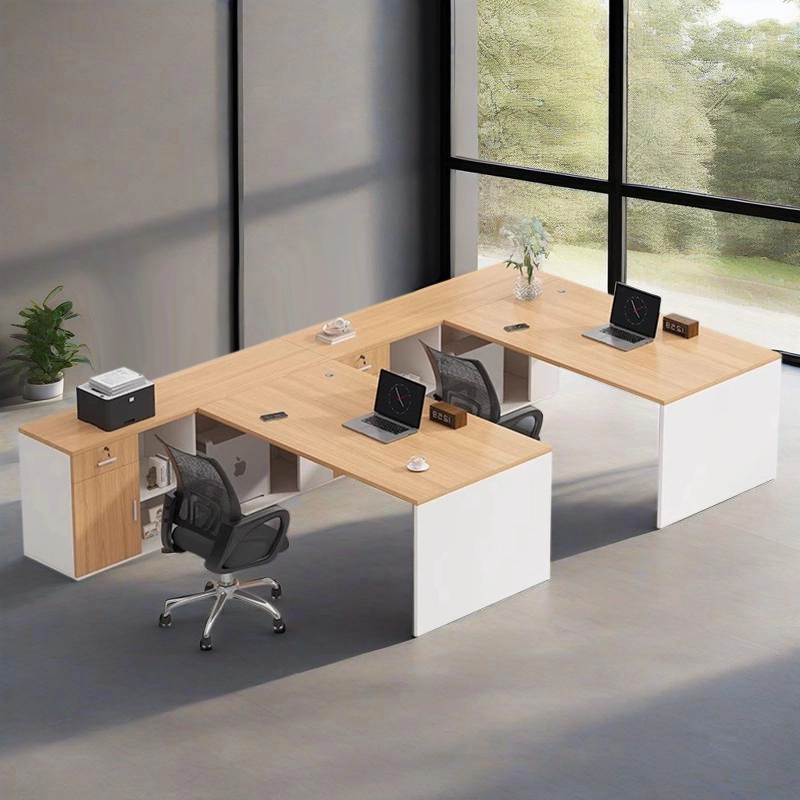
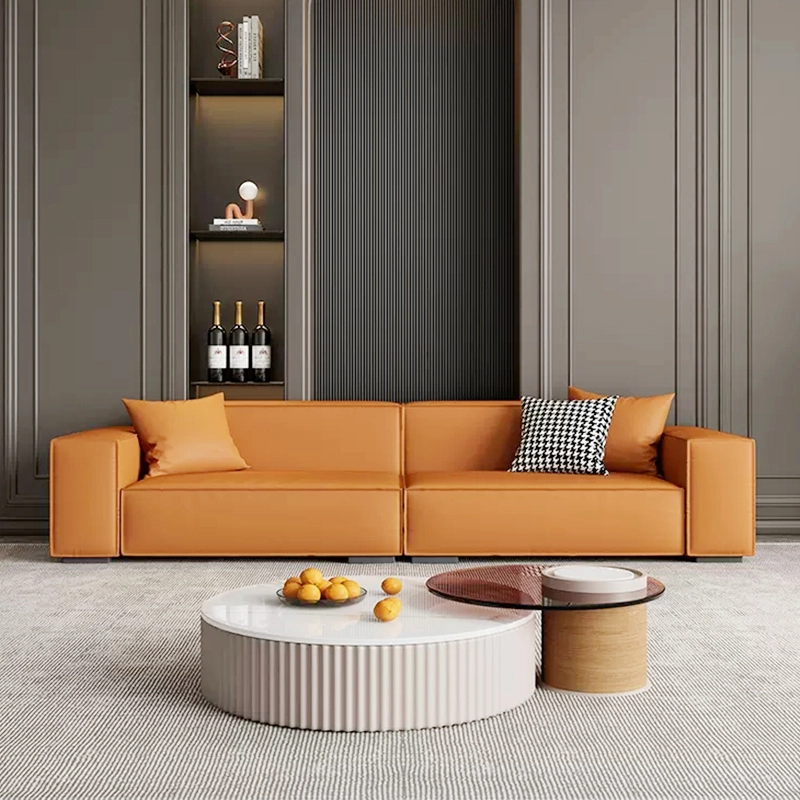
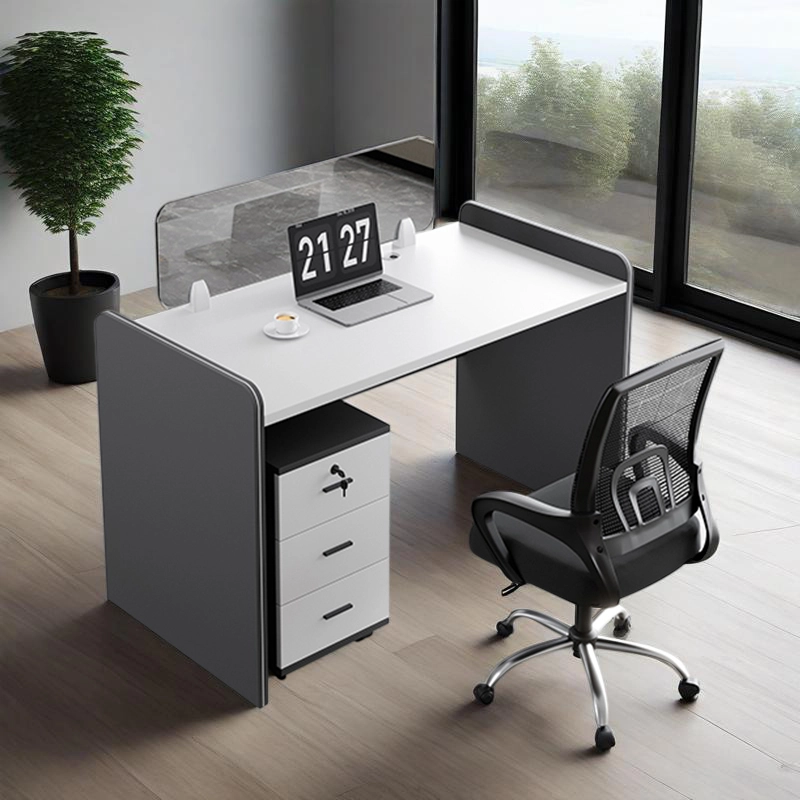
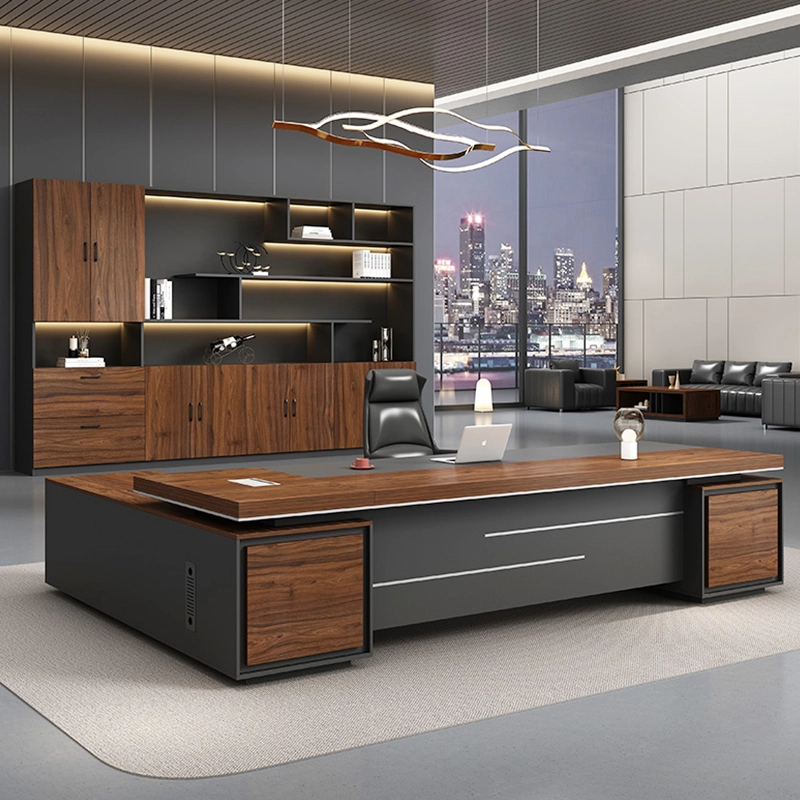
Service
Why choose us?
A. Business Type: Furniture Manufacture,Production and export trade experience: Over 15 years Factory area:10000 + square meters Member:>100 staffs Design Team: Minimum 20 pax to organize
B.Customization: Welcome to OEM and ODM or Project.
C.Delivery:15days for 20GP, 25days for 40HQ.
D. Testing center is available in our factory, and regularly through national authoritative organization authoritative authentication, ensure that each product is qualified. E.Competitive price from factory directly.
Can you handle small orders ?
Of course, in order to support clients' business, We also take small orders.
What's your products range?
1.Whether you need office furniture, home furniture, hotel furniture, school furniture.or special custom furniture products, we can meet your requirements.
2.-Products including office table, office chair, office filing cabinet, office workstation,Office sofa, office reception ,office conference room and so on, Simple Leisure Sets etc.
ls there cheap shipping cost to import to our country?
For small order,express will be best. And for bulk order,sea ship way is best but take much time; For urgent orders,we suggest via air to airport plus our ship partner send to your door. When we calculate the freight for you, we will choose the cheapest,safest express company. lt is the freight company that asks us to pay, so we can not make it cheaper. lf you have your own agent in China, we can send the package to your agent.

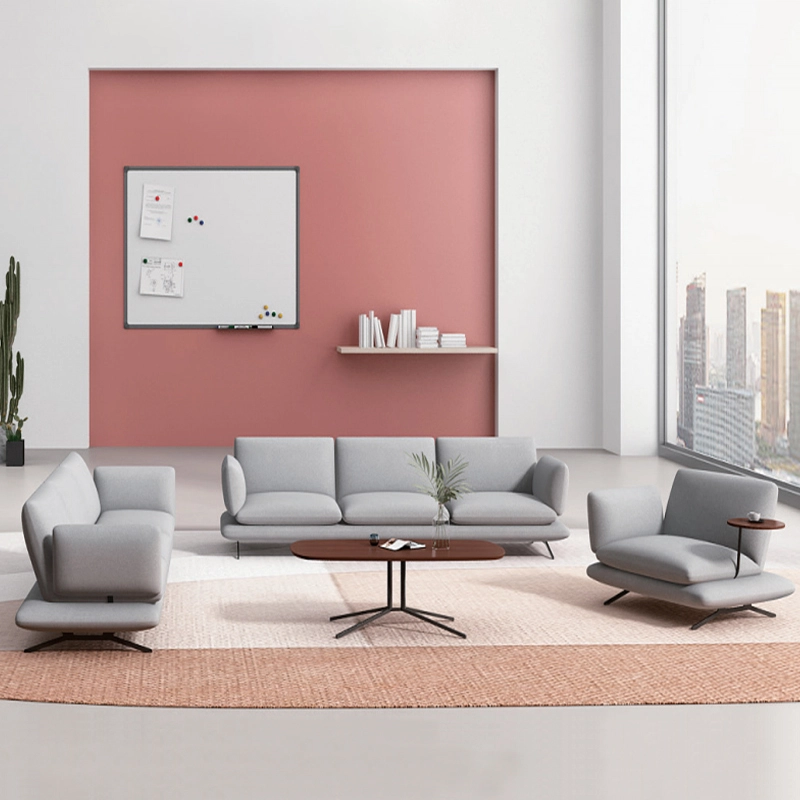
Customizable sofas, featuring a teddy fabric cover that's durable and stain-resistant. Customizable sizes are also available. This sofa features a sturdy frame and high-quality materials, making it suitable for everyday use. Its versatile design makes it ideal for living rooms, apartments, lounge areas, and even cozy reading nooks. It's more than just a sofa; it's a statement piece for stylish and intelligent living.

MEI YI Furniture partners with Hotel to deliver custom hotel furniture that combines high-efficiency and durability. This collaboration elevates the quality of a national hotel brand, showcasing MEI YI’s expertise in crafting tailored, long-lasting solutions for High Quality hospitality spaces.
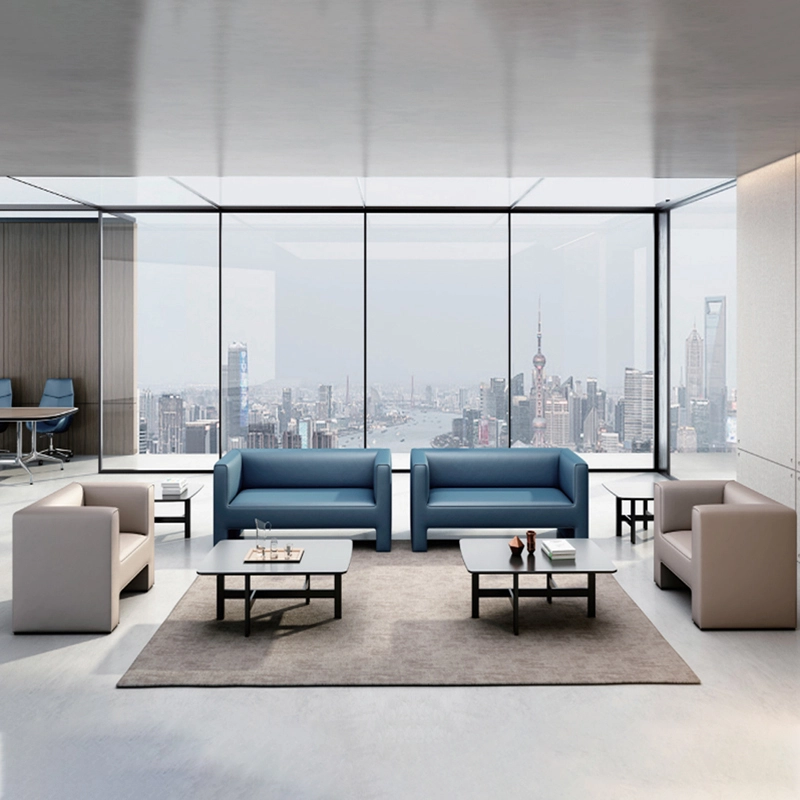
Customizable sofas, featuring a artificial leather cover that's durable and stain-resistant. Customizable sizes are also available. This sofa features a sturdy frame and high-quality materials, making it suitable for everyday use. Its versatile design makes it ideal for living rooms, apartments, lounge areas, and even cozy reading nooks. It's more than just a sofa; it's a statement piece for stylish and intelligent living.
Do you have any questions?
Contact one of our sales representatives or fill out this form.
MEI YI Furniture provides a one-stop service for the design, manufacturing, and customization of office, hotel, and school furniture.
Contact: Asya
Email: asya@myofficefurniture.com.cn
WhatsApp: +86 134 2216 1319
Address: No. 25, Nan Street, Jinpan, Zhongluotan Town, Baiyun District, Guangzhou, China.
Whatsapp: +8613422161319
Fackbook
Instagram
YouTube