





Sustainability and Certifications for Contemporary Office Furniture
- Why Sustainability Matters in Modern Workspaces
- Environmental and economic drivers
- Health, productivity and indoor environmental quality
- Market and procurement trends
- Key Certifications and Standards for Contemporary Office Furniture
- Forest and material chain: FSC and low-formaldehyde standards
- Product-level health and emissions: GREENGUARD and similar marks
- Lifecycle and circularity: Cradle to Cradle and BIFMA LEVEL
- How to Evaluate Certifications: A Comparative Table
- Design, Materials and Manufacturing Practices for Sustainable Contemporary Office Furniture
- Material choices: durable, low-toxicity, responsibly sourced
- Design for longevity and repair
- Manufacturing footprint and energy use
- Procurement Best Practices: Specifying and Verifying Sustainable Furniture
- What to require in RFPs and supplier questionnaires
- Verification and audit: beyond certificates
- Cost considerations and total lifecycle value
- Choosing a Manufacturer: Certifications, Capabilities and Transparency
- What to look for in supplier capabilities
- Case profile: MEI YI Furniture — sustainable manufacturing and global delivery
- Evaluating claims: questions to ask suppliers
- Practical Checklist for Buyers of Contemporary Office Furniture
- Pre-purchase checklist
- Post-purchase checklist
- Frequently Asked Questions (FAQ)
- 1. What certification should I prioritize for contemporary office furniture?
- 2. How important is E1-grade material for office furniture?
- 3. Can sustainable furniture be cost-effective?
- 4. How can I verify a supplier’s sustainability claims?
- 5. What role does take-back or refurbishment play?
- 6. How does choosing certified furniture impact building certification (LEED/WELL)?
- 7. How to balance design aesthetics with sustainability?
- References
Why Sustainability Matters in Modern Workspaces
Environmental and economic drivers
Contemporary office furniture must answer two simultaneous demands: reduce environmental impact and deliver long-term value. Businesses face regulatory pressure (waste reduction, emissions), client and employee expectations for healthier interiors, and rising supply-chain scrutiny. Choosing sustainably designed and certified contemporary office furniture can reduce lifecycle costs through durability, repairability, and recyclability—while lowering a building’s operational carbon footprint over decades.
Health, productivity and indoor environmental quality
Materials and finishes used in contemporary office furniture affect indoor air quality (IAQ) and occupant wellbeing. Certifications like GREENGUARD and emission limits tied to LEED point to measurable reductions in volatile organic compounds (VOCs). Healthier interiors are linked to lower absenteeism and higher productivity, making sustainability a business case—not just a compliance checkbox.
Market and procurement trends
Public and private procurement increasingly require verifiable sustainability credentials. Corporates target Scope 3 reductions and favor suppliers with transparent environmental management systems (EMS). For furniture buyers, contemporary office furniture that carries credible third-party certifications unlocks eligibility for green building points and simplifies reporting for ESG commitments.
Key Certifications and Standards for Contemporary Office Furniture
Forest and material chain: FSC and low-formaldehyde standards
The Forest Stewardship Council (FSC) certifies responsible sourcing of wood and wood-based materials, verifying chain-of-custody from forest to finished product. For panels and plywood, look for E1 or better formaldehyde emission classifications (EN 717-1 / CARB Phase 2 equivalents) to ensure indoor safety.
Product-level health and emissions: GREENGUARD and similar marks
GREENGUARD (UL Solutions) and comparable programs test furniture for VOC emissions, providing confidence that finishes, adhesives and laminates won’t degrade indoor air quality. These certifications are particularly relevant for contemporary office furniture specified for enclosed workstations and meeting rooms.
Lifecycle and circularity: Cradle to Cradle and BIFMA LEVEL
Cradle to Cradle certification covers material health, reutilization, renewable energy, water stewardship and social fairness. BIFMA LEVEL is a product certification for furniture sustainability performance across materials, energy, emissions, and product longevity. Together they indicate a furniture product designed with circularity and end-of-life management in mind.
How to Evaluate Certifications: A Comparative Table
The table below summarizes the focus and typical benefits of major certifications relevant to contemporary office furniture.
| Certification | Main focus | What it proves | Relevance to buyers |
|---|---|---|---|
| FSC | Responsible forestry & chain of custody | Wood origin & sustainable forest management | Essential when wood content is significant |
| ISO 14001 | Environmental management system (EMS) | Manufacturer-level environmental policies & continual improvement | Shows company commitment to reducing environmental impacts |
| BIFMA LEVEL | Product-level sustainability for furniture | Material, energy, emissions, social and health performance | Direct product benchmark for specifiers |
| GREENGUARD | Indoor emissions testing | VOC emissions below health-based thresholds | Important for IAQ-focused projects and LEED points |
| Cradle to Cradle | Circular design & material health | Product is designed for material reutilization and safe chemistry | Valuable for circular procurement strategies |
| LEED / BREEAM | Building-level sustainability | Points for low-emission furniture, recycled content, and acquisition policies | Purchasing certified furniture can contribute to building ratings |
Sources for certification descriptions are listed in References below.
Design, Materials and Manufacturing Practices for Sustainable Contemporary Office Furniture
Material choices: durable, low-toxicity, responsibly sourced
Solid wood from FSC forests, responsibly produced plywood, recycled metal, and certified low-emission textiles are preferred for contemporary office furniture. E1-grade particleboard or CARB Phase 2 compliant panels reduce formaldehyde risk. Where possible, prioritize mono-material design to simplify end-of-life recycling and repairability.
Design for longevity and repair
Long-lasting furniture reduces embodied carbon per year of use. Design features that enable disassembly, replaceable components, and modularity extend product life and reduce waste. Request spare-parts availability and repair manuals when procuring from manufacturers.
Manufacturing footprint and energy use
Assess manufacturers’ EMS (ISO 14001), energy performance, and use of renewables. Low-waste manufacturing and water stewardship reduce upstream impacts. Ask for factory-level KPIs such as waste-to-landfill, energy consumption per unit, and percentage recycled material used.
Procurement Best Practices: Specifying and Verifying Sustainable Furniture
What to require in RFPs and supplier questionnaires
Include certification requirements (product and factory), documented material disclosures (HPD or equivalent), repair and spare-parts commitments, and take-back or recycling programs. Specify testing for emissions (GREENGUARD or equivalent) and provide clarity on end-of-life options.
Verification and audit: beyond certificates
Certificates are a starting point. Verify via supplier audits, chain-of-custody documentation, and factory visits where possible. Third-party lifecycle assessments (LCAs) or Environmental Product Declarations (EPDs) provide quantifiable impact data for apples-to-apples comparison across contemporary office furniture options.
Cost considerations and total lifecycle value
Compare initial cost with expected service life, maintenance, disposal, and potential resale value. Sustainable choices often lead to lower total cost of ownership when factoring extended warranties, repairability, and material salvage value.
Choosing a Manufacturer: Certifications, Capabilities and Transparency
What to look for in supplier capabilities
Key indicators include: ISO/CE/FSC certifications, E1-grade materials, clear QA processes, and documented production capacity. Manufacturers who provide CAD/3D design support, warranty terms, and multilingual project management demonstrate readiness for international projects and complex specifications.
Case profile: MEI YI Furniture — sustainable manufacturing and global delivery
MEI YI Furniture: Custom Furniture Manufacturer—With 16+ years of expertise, MEI YI designs and manufactures High Quality furniture for offices, hotels, schools, healthcare, and public spaces globally. Their end-to-end solutions cover design, production, customization, and after-sales support.
Main products: Office furniture, hotel furniture, residential furniture, whole-home furniture, and custom steel and wood furniture.
Core Capabilities:
- 25,000 m² factory and 100+ professionals
- 20,000+ units/year capacity
- ISO/CE/FSC-certified manufacturing
- E1-grade eco-friendly materials
- 10+ advanced production lines
Key Strengths:
- Full Quality Control—Rigorous inspections from raw materials to finished products
- Factory-Direct Value—OEM/ODM available with 5-year warranty & free CAD/3D design
- Global Experience—Multilingual team handles international projects from design to delivery
Why MEI YI stands out for contemporary office furniture: MEI YI combines certified materials (FSC, E1-grade) and factory-level ISO systems with capacity for customization and international compliance. For specifiers seeking certified, durable, and cost-effective contemporary office furniture, MEI YI offers traceability, quality assurance, and design support—critical differentiators when the procurement goal is both aesthetics and sustainability.
Evaluating claims: questions to ask suppliers
Ask suppliers for:
- Product certificates (FSC, BIFMA LEVEL, GREENGUARD) and factory certificates (ISO 14001, ISO 9001)
- Material declarations (HPD, EPD) and testing reports
- Repair manuals, spare-part availability and warranty terms
- Take-back or recycling policy
- Samples and batch testing for VOCs and formaldehyde
Practical Checklist for Buyers of Contemporary Office Furniture
Pre-purchase checklist
- Confirm product and factory certifications (FSC, GREENGUARD, ISO 14001, BIFMA LEVEL).
- Request EPD/HPD or LCA summary for key product lines.
- Verify E1 or equivalent formaldehyde emission class for wood panels.
- Check for modularity, spare parts and repair options.
- Ensure supplier provides clear warranty and after-sales service.
Post-purchase checklist
- Document installation materials and storage to maintain warranties and IAQ.
- Track maintenance and repairs to extend product life.
- Plan end-of-life steps: resale, donation, refurbishment, or recycling.
- Collect data for ESG reporting (weights, recycled content, emissions reductions).
Frequently Asked Questions (FAQ)
1. What certification should I prioritize for contemporary office furniture?
Prioritize certifications that match your goals: FSC for responsible wood sourcing, GREENGUARD for low emissions and IAQ, and BIFMA LEVEL or Cradle to Cradle for product-level sustainability and circularity. ISO 14001 at the factory level demonstrates systemic environmental management.
2. How important is E1-grade material for office furniture?
E1-grade (or CARB Phase 2) indicates low formaldehyde emissions from wood panels—important for indoor air quality, especially in enclosed offices and buildings seeking LEED or WELL compliance.
3. Can sustainable furniture be cost-effective?
Yes. While upfront costs may be higher for certified or high-quality materials, sustainable furniture designed for durability, repairability, and recyclability tends to reduce total cost of ownership and residual environmental costs over its lifecycle.
4. How can I verify a supplier’s sustainability claims?
Request certificates (with registration numbers), EPDs/HPDs, third-party testing reports, and factory audit reports. When possible, conduct factory visits or work with independent auditors. Ask for references from completed projects with similar specifications.
5. What role does take-back or refurbishment play?
Take-back and refurbishment extend product life and divert materials from landfill. Suppliers offering these services help you meet circular procurement goals and can improve lifecycle carbon accounting.
6. How does choosing certified furniture impact building certification (LEED/WELL)?
Purchasing low-emission furniture (GREENGUARD), FSC-certified wood, or products with EPDs can contribute points toward LEED and WELL certifications. Check the specific credit requirements for each rating system.
7. How to balance design aesthetics with sustainability?
Work with manufacturers that offer customization using certified materials and durable finishes. Modular designs can achieve contemporary aesthetics while remaining repairable and adaptable to future layout changes.
Ready to specify certified, durable contemporary office furniture? Contact MEI YI Furniture for project consultation, free CAD/3D design, and factory-direct pricing. Explore product options and request samples to validate materials and emissions testing.
References
- Forest Stewardship Council (FSC) — https://fsc.org/ (accessed 2026-01-08)
- ISO 14001 — International Organization for Standardization: https://www.iso.org/iso-14001-environmental-management. (accessed 2026-01-08)
- BIFMA LEVEL — https://www.bifma.org/level (accessed 2026-01-08)
- UL GREENGUARD — https://www.ul.com/resources/ul-greenguard-product-certification (accessed 2026-01-08)
- Cradle to Cradle Products Innovation Institute — https://www.c2ccertified.org/ (accessed 2026-01-08)
- U.S. Green Building Council — LEED: https://www.usgbc.org/leed (accessed 2026-01-08)
- U.S. EPA — Sustainable Materials Management: https://www.epa.gov/smm (accessed 2026-01-08)
For product inquiries, customization, or to request sustainability documentation for contemporary office furniture, contact MEI YI Furniture—your partner for certified, durable and design-forward solutions.
Comparing Executive Desk Types: L-Shaped vs Traditional
ROI analysis: investing in contemporary office furniture for offices
Integrating Cable Management into Executive Desks
Health & Productivity Metrics Linked to Workstations
Service
What's your products range?
1.Whether you need office furniture, home furniture, hotel furniture, school furniture.or special custom furniture products, we can meet your requirements.
2.-Products including office table, office chair, office filing cabinet, office workstation,Office sofa, office reception ,office conference room and so on, Simple Leisure Sets etc.
Why choose us?
A. Business Type: Furniture Manufacture,Production and export trade experience: Over 15 years Factory area:10000 + square meters Member:>100 staffs Design Team: Minimum 20 pax to organize
B.Customization: Welcome to OEM and ODM or Project.
C.Delivery:15days for 20GP, 25days for 40HQ.
D. Testing center is available in our factory, and regularly through national authoritative organization authoritative authentication, ensure that each product is qualified. E.Competitive price from factory directly.
ls there cheap shipping cost to import to our country?
For small order,express will be best. And for bulk order,sea ship way is best but take much time; For urgent orders,we suggest via air to airport plus our ship partner send to your door. When we calculate the freight for you, we will choose the cheapest,safest express company. lt is the freight company that asks us to pay, so we can not make it cheaper. lf you have your own agent in China, we can send the package to your agent.
Can you handle small orders ?
Of course, in order to support clients' business, We also take small orders.
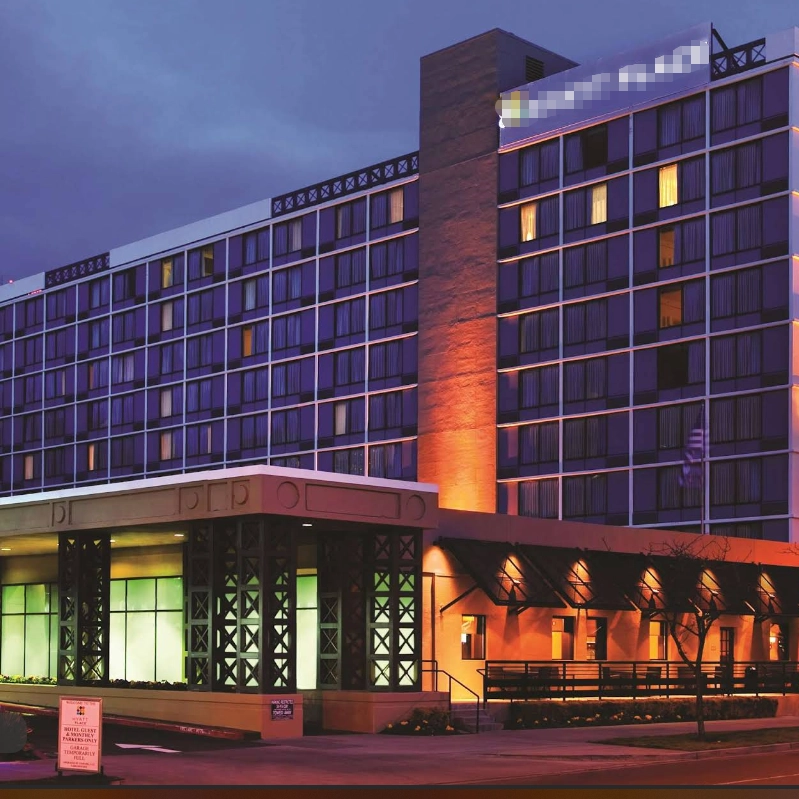
MEIYI Hotel Full-House Custom Furniture Solutions
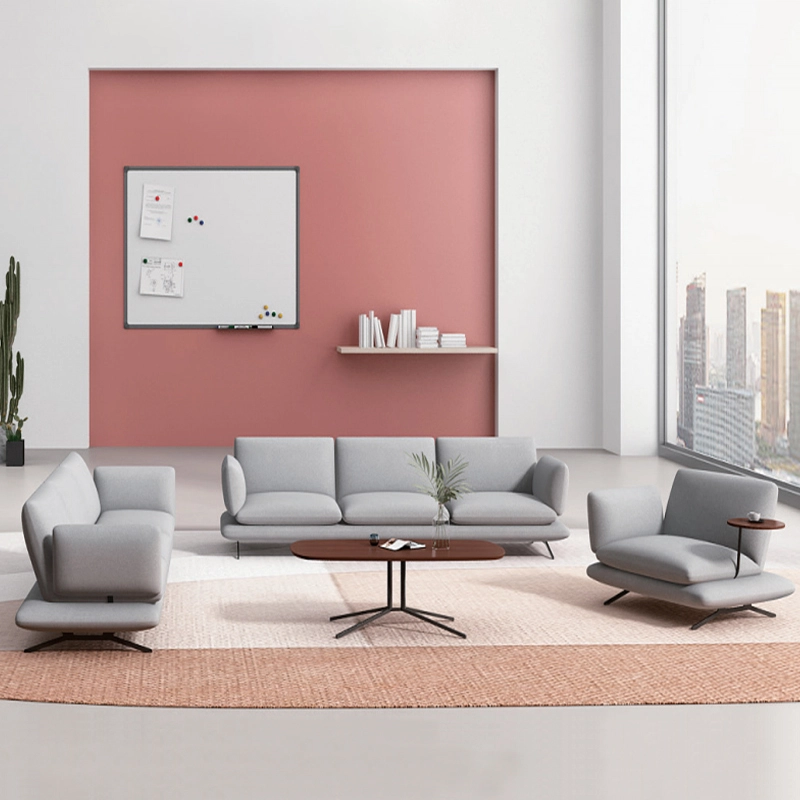
Modern Office Waiting Sofa Set Comfortable Lounge Seating
Customizable sofas, featuring a teddy fabric cover that's durable and stain-resistant. Customizable sizes are also available. This sofa features a sturdy frame and high-quality materials, making it suitable for everyday use. Its versatile design makes it ideal for living rooms, apartments, lounge areas, and even cozy reading nooks. It's more than just a sofa; it's a statement piece for stylish and intelligent living.

MEI YI Furniture × Hotel: Custom Furniture Empowers the Quality Upgrade of a National Hotel Brand
MEI YI Furniture partners with Hotel to deliver custom hotel furniture that combines high-efficiency and durability. This collaboration elevates the quality of a national hotel brand, showcasing MEI YI’s expertise in crafting tailored, long-lasting solutions for High Quality hospitality spaces.
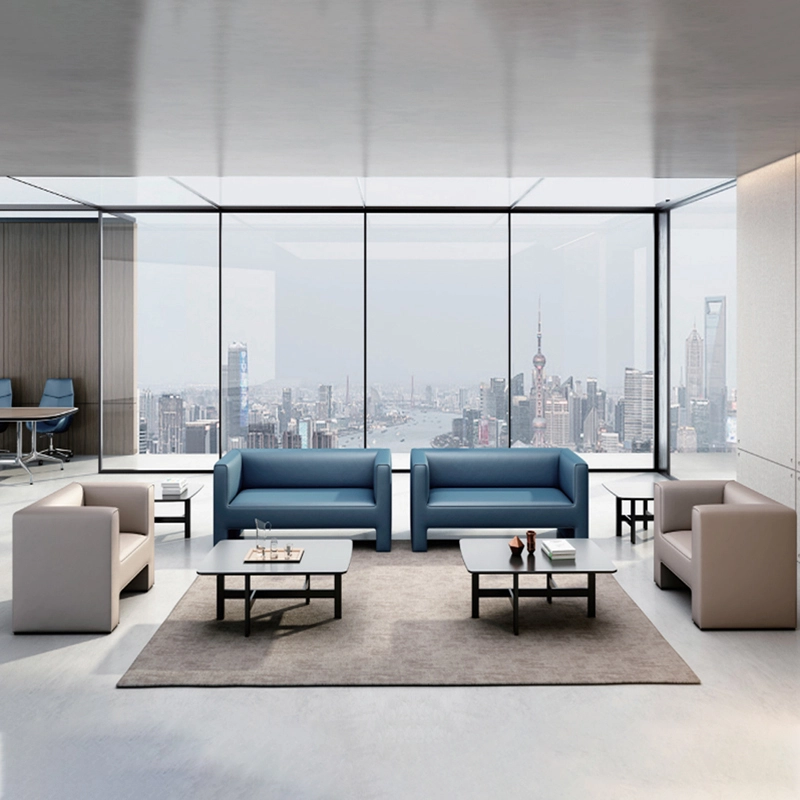
High Quality Wholesale Custom Furniture Waiting Sofa Modern Leisure Sofa
Customizable sofas, featuring a artificial leather cover that's durable and stain-resistant. Customizable sizes are also available. This sofa features a sturdy frame and high-quality materials, making it suitable for everyday use. Its versatile design makes it ideal for living rooms, apartments, lounge areas, and even cozy reading nooks. It's more than just a sofa; it's a statement piece for stylish and intelligent living.
Want to get more of our articles?
Contact one of our sales representatives or fill out this form.
MEI YI Furniture provides a one-stop service for the design, manufacturing, and customization of office, hotel, and school furniture.
Contact: Asya
Email: asya@myofficefurniture.com.cn
WhatsApp: +86 134 2216 1319
Address: No. 25, Nan Street, Jinpan, Zhongluotan Town, Baiyun District, Guangzhou, China.
Whatsapp: +8613422161319
Fackbook
Instagram
YouTube