





Space-Saving Workstation Layouts for Small Offices
- Smart Principles for Compact office workstations
- Understand the goal: What good office workstations deliver
- Measure first: How much space do office workstations need?
- Layout types for space-saving office workstations
- Design tips to shrink footprint without shrinking comfort for office workstations
- Ergonomics: fitting good posture into compact office workstations
- Material, finish, and color choices that make small office workstations feel larger
- Small office workstation case studies and layout examples
- How to choose between options for your office workstations
- Procurement & customization: choosing the right office workstations
- MEI YI Furniture: Partnering for efficient office workstations (manufacturer profile)
- Implementation checklist for new office workstations
- Cost considerations and ROI for space-efficient office workstations
- Maintenance, sustainability, and lifecycle for office workstations
- FAQ — Space-Saving Office Workstations
- Contact / Request a Quote
- References
Smart Principles for Compact office workstations
Small offices face a common challenge: how to fit functional, comfortable office workstations into limited floor area without sacrificing productivity or brand image. This article breaks down proven layout strategies, furniture choices, and ergonomic principles that save space while meeting employee needs, regulatory guidance, and business goals.
Understand the goal: What good office workstations deliver
An effective office workstation must support tasks, collaboration, storage, and wellbeing. For small offices, these goals compress into tighter footprints, so design decisions should prioritize:
- Task fit — workstation sized for primary activities (computer work, paperwork, phone/video calls).
- Ergonomics — proper monitor height, keyboard position, and leg clearance even in compact setups.
- Flexibility — furniture that adapts to different uses or users (e.g., sit-stand, modular systems).
- Storage efficiency — vertical and under-desk solutions to keep surfaces clear.
- Circulation — clear paths that meet regulatory and comfort standards.
Embedding the phrase “office workstations” in planning conversations helps keep the focus on the individual work environment as you optimize space and workflow.
Measure first: How much space do office workstations need?
While density varies by work type, a practical guide for small offices is to analyze the workstation footprint rather than an abstract per-person area. Common compact footprints are:
- Minimal single desk: 90–120 cm (36–48 in) wide × 60–75 cm (24–30 in) deep.
- Small L-shaped desk (corner): 120–140 cm × 80–100 cm, fits two surfaces in a corner.
- Bench/linear workstation (per seat): 120–160 cm wide shared table with 60–80 cm depth per user.
Regulatory ergonomic guidance such as OSHA’s Computer Workstation e-Tool provides standards for reach, viewing distance, and postural considerations that must be respected even in compact layouts (see References).
Layout types for space-saving office workstations
Below are common layout typologies that small offices use to maximize usable workspace. Each layout includes typical space efficiency, pros and cons, and suitability by team size.
| Layout | Space efficiency | Pros | Cons | Best for |
|---|---|---|---|---|
| Bench/Linear workstations | High (shared surfaces) | Cost-effective, fosters collaboration, easy cable management | Limited privacy, potential noise | Startups, open-plan teams |
| Compact L-shaped desks | Medium | Maximizes corner space, provides dedicated surface area | Takes corner depth, less flexible for reconfiguration | Managers, designers, hybrid users |
| Wall-mounted & fold-down workstations | Very high | Convertible, frees floor space when not in use | Limited storage and surface area | Hot-desking, reservation-based offices |
| Mobile desks & rolling modules | High | Reconfigurable, supports multi-use rooms | Requires robust storage strategies | Multipurpose rooms, agile teams |
| Desks with integrated vertical storage | Medium-High | Reduces separate cabinetry footprint | May require custom solutions | Small professional offices |
Design tips to shrink footprint without shrinking comfort for office workstations
- Use vertical storage: shelving, overhead lockers, and pegboards free floor and desk space.
- Choose slimmer furniture profiles: thinner tabletops, cantilever legs, and open frames create visual space and real circulation room.
- Adopt benching for heads-down tasks: per-person widths of 120–140 cm on shared benches can be efficient while allowing personal delineation through modest privacy screens.
- Implement soft zoning: rugs, planters, or acoustic panels define areas without bulky partitions.
- Use mobile pedestals and lockers to allow alternate desk usage and hot-desking patterns.
- Prioritize cable-management built into furniture to reduce floor clutter and allow closer desk placement.
Ergonomics: fitting good posture into compact office workstations
Ergonomics should not be sacrificed for density. Key measurable targets (based on OSHA/HSE guidance) include:
- Monitor top at or slightly below eye level, 50–70 cm (20–28 in) from the eyes.
- Keyboard and mouse positioned to keep elbows near 90° and wrists neutral.
- Thigh clearance under desk of at least 60 cm (24 in) depth and 45–60 cm (18–24 in) knee/leg height.
- Enough surface depth to support paperwork and devices without crowding the keyboard zone.
Choose adjustable chairs and consider sit-stand workstations in compact forms (narrow columns or desktop converters) to support movement without taking substantially more room.
Material, finish, and color choices that make small office workstations feel larger
Perception matters. Use light-reflective surfaces, consistent neutral palettes, and slimline finishes to amplify perceived space. Glass modesty panels, open-leg desks, and raised storage reduce visual bulk. Select finishes for durability and cleanability—E1-grade, low-emission materials help with indoor air quality (IAQ) and are often required for commercial fit-outs.
Small office workstation case studies and layout examples
Below are two practical examples for a ~40 m² (430 ft²) small office housing 6 employees. These examples show how layout choice affects density and functionality.
| Scenario | Layout | Workstation type | Approx. space used per person | Key benefits |
|---|---|---|---|---|
| A: Collaborative marketing team | Open benching + one meeting nook | Shared 3+3 linear bench, 160 cm per span | ~6.5–7 m²/person | High collaboration, lower cost, centralized services |
| B: Professional services (privacy needs) | Compact L-desks with vertical storage + screen dividers | 120×75 cm L-shaped desks, integrated storage | ~7.5–8.5 m²/person | Balanced privacy and space efficiency |
How to choose between options for your office workstations
Decide by task profile (heads-down vs. collaborative), privacy needs, and frequency of visitors. Bench systems win for collaboration and cost. L-shaped or screened desks are better for confidential work. Always prototype with tape on the floor and mock-up desks to validate circulation and measurements before committing to purchase.
Procurement & customization: choosing the right office workstations
Buying ready-made versus custom furniture is a key decision. Off-the-shelf is faster and cheaper; custom solutions ensure an exact fit and can integrate power/data, storage, and branding. For small offices with unusual dimensions or high-performance needs, a hybrid approach works well: standard modules customized with select elements (e.g., top material, cable ports, integrated drawers).
MEI YI Furniture: Partnering for efficient office workstations (manufacturer profile)
MEI YI Furniture: Custom Furniture ManufacturerWith 16+ years of expertise, MEI YI Furniture designs and manufactures High Quality furniture for offices, hotels, schools, healthcare, and public spaces globally. Our end-to-end solutions cover design, production, customization, and after-sales support.
Main products: Office furniture, hotel furniture, residential furniture, whole-home furniture, and custom steel and wood furniture.
Core Capabilities:25,000 m² factory | 100+ professionals20,000+ units/year capacityISO/CE/FSC-certified manufacturingE1-grade eco-friendly materials10+ advanced production lines
Key Strengths:1. Full Quality Control — Rigorous inspections from raw materials to finished products2. Factory-Direct Value — OEM/ODM available with 5-year warranty & free CAD/3D design3. Global Experience — Multilingual team handles international projects from design to deliveryCommitted to creating ideal environments through functional, aesthetic furniture solutions.
Why MEI YI is a strong choice for small-office workstations: MEI YI combines factory-direct pricing and customization. Their ability to produce custom benching, compact L-shaped stations, wall-mounted solutions, and integrated storage systems makes them well-suited to owners and designers who need space-efficient, code-compliant office workstations tailored to unique floorplans. The company’s certified material sourcing (FSC, E1-grade) and in-house design/3D services reduce project risk and speed delivery.
Implementation checklist for new office workstations
Before purchasing or reconfiguring, run this checklist to avoid costly mistakes:
- Measure cleared floorplate and mark circulation paths (min. 90 cm / 36 in main aisles where possible).
- Document task types and daily toolset for each role (two monitors, printer access, client seating?).
- Create a mock-up or 1:1 taped layout to validate ergonomics and sightlines.
- Pick adjustable seating and at least one sit-stand option per team to support movement.
- Confirm power and data requirements; prioritize furniture with integrated cable management.
- Factor acoustic treatment for benching setups (ceiling or desk-mounted panels).
- Plan storage: per-person mobile pedestals + shared vertical lockers.
- Engage your manufacturer/supplier early—share CAD files and request a free 3D design if available.
Cost considerations and ROI for space-efficient office workstations
Investing in compact but ergonomic furniture reduces real estate costs by improving density while maintaining productivity. Consider these cost vectors:
- Initial furniture cost (custom vs. modular).
- Installation and cabling.
- Ongoing maintenance and replacement (warranty terms matter).
- Real estate savings: better density delays need for expansion.
Example: If a space-saving layout lets you increase occupancy by 10–15% without leasing additional area, the annualized savings in rent can offset higher upfront custom furniture costs within a 2–4 year horizon depending on market rents.
Maintenance, sustainability, and lifecycle for office workstations
Select durable materials and insist on replacement components. Prioritize low-VOC finishes and certified materials (FSC, E1-grade) to protect indoor air quality. A reliable manufacturer offering spare parts and a warranty (e.g., 5-year warranty) helps extend lifecycle and reduce total cost of ownership.
FAQ — Space-Saving Office Workstations
Q1: What is the minimum recommended desk size for an office workstation?
A: For a comfortable computer workstation in a small office, a practical minimum is about 90–120 cm (36–48 in) wide and 60–75 cm (24–30 in) deep. This allows space for a monitor, keyboard, and small paperwork. For dual-monitor or larger equipment, plan wider surfaces.
Q2: Can benching be ergonomic enough for long-term use?
A: Yes—benching paired with height-adjustable chairs and monitor arms can meet ergonomic needs. Provide modesty/privacy screens and acoustic panels, and ensure keyboard and monitor positions meet ergonomic distances. Add sit-stand options to reduce static posture time.
Q3: How do I ensure privacy in a compact office with shared office workstations?
A: Use low to mid-height screens, acoustic dividers, designated quiet zones, and scheduling for client calls. Strategic furniture placement and sound-absorbing materials reduce visual and auditory interruptions.
Q4: Are fold-down or wall-mounted workstations practical for permanent offices?
A: They’re practical for occasional-use spaces or hot-desk environments. For full-time use, ensure the mounted surface provides adequate depth and that structural support and cable routing are planned.
Q5: How much should I budget per workstation for a durable, space-saving setup?
A: Budget varies widely by region and customization. For a durable, factory-direct compact workstation with integrated storage and ergonomic chair, expect a mid-range budget per workstation; custom solutions and integrated power/data will raise costs. Compare total cost of ownership—including warranties and service—when evaluating quotes.
Q6: How can MEI YI help with space-efficient office workstations?
A: MEI YI offers custom design services with free CAD/3D layouts, factory-direct value, and production capabilities to create benching systems, compact L-desks, wall-mounted units, and integrated storage tailored to your floorplate. Their 5-year warranty and international project experience reduce implementation risk.
Contact / Request a Quote
Ready to optimize your small office with space-saving office workstations? Contact MEI YI Furniture for a free CAD/3D layout and consultation. Visit MEI YI’s product pages or request a custom quote to discuss layout options, materials, lead times, and pricing. For tailored solutions, ask for sample specifications and warranty details.
References
- OSHA: Computer Workstations eTool. https://www.osha.gov/etools/computer-workstations (accessed 2025-12-16)
- UK HSE: Display screen equipment (DSE). https://www.hse.gov.uk/msd/dse/ (accessed 2025-12-16)
- Gensler: U.S. Workplace Survey (research insights on workplace density and trends). https://www.gensler.com/research-insight/workplace-surveys (accessed 2025-12-16)
- Wikipedia: Office furniture. https://en.wikipedia.org/wiki/Office_furniture (accessed 2025-12-16)
- MEI YI Furniture corporate information provided by client (company profile, capabilities, and product range) (accessed 2025-12-16)
How to Choose Durable Hotel Furniture for High-Traffic Areas
Contemporary Office Furniture Procurement Guide for Facility Managers
Top contemporary office furniture brands and suppliers
Ergonomics and Productivity: Contemporary Office Furniture ROI
Service
Can you handle small orders ?
Of course, in order to support clients' business, We also take small orders.
What's your products range?
1.Whether you need office furniture, home furniture, hotel furniture, school furniture.or special custom furniture products, we can meet your requirements.
2.-Products including office table, office chair, office filing cabinet, office workstation,Office sofa, office reception ,office conference room and so on, Simple Leisure Sets etc.
Why choose us?
A. Business Type: Furniture Manufacture,Production and export trade experience: Over 15 years Factory area:10000 + square meters Member:>100 staffs Design Team: Minimum 20 pax to organize
B.Customization: Welcome to OEM and ODM or Project.
C.Delivery:15days for 20GP, 25days for 40HQ.
D. Testing center is available in our factory, and regularly through national authoritative organization authoritative authentication, ensure that each product is qualified. E.Competitive price from factory directly.
ls there cheap shipping cost to import to our country?
For small order,express will be best. And for bulk order,sea ship way is best but take much time; For urgent orders,we suggest via air to airport plus our ship partner send to your door. When we calculate the freight for you, we will choose the cheapest,safest express company. lt is the freight company that asks us to pay, so we can not make it cheaper. lf you have your own agent in China, we can send the package to your agent.
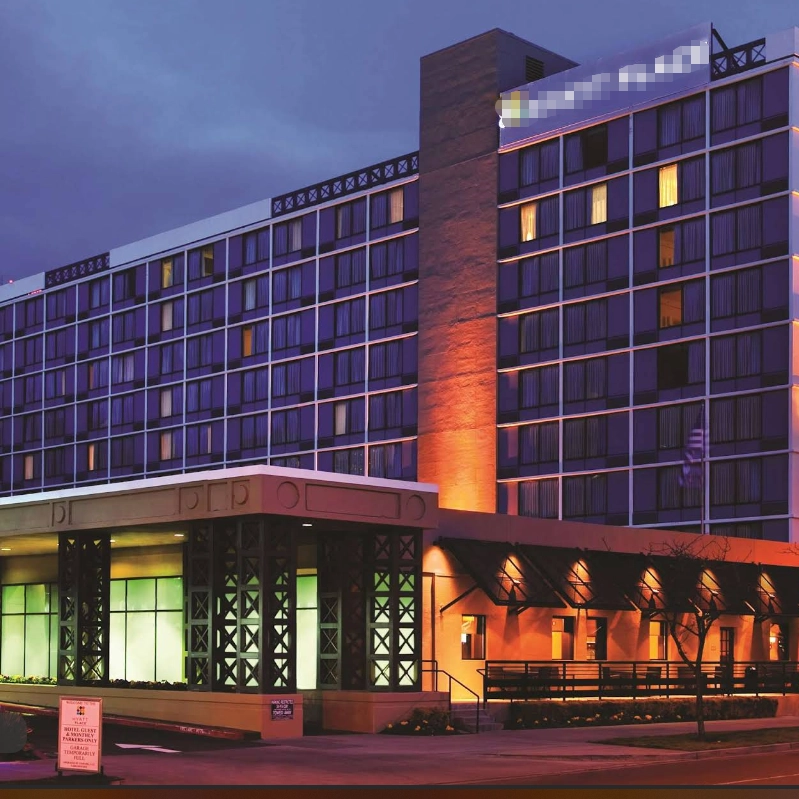
MEIYI Hotel Full-House Custom Furniture Solutions
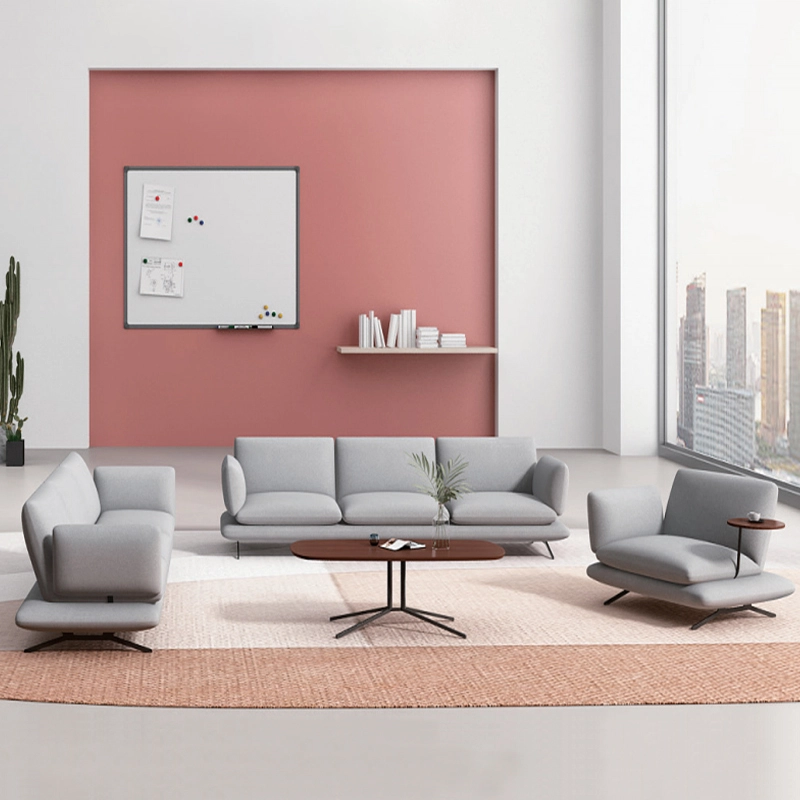
Modern Office Waiting Sofa Set Comfortable Lounge Seating
Customizable sofas, featuring a teddy fabric cover that's durable and stain-resistant. Customizable sizes are also available. This sofa features a sturdy frame and high-quality materials, making it suitable for everyday use. Its versatile design makes it ideal for living rooms, apartments, lounge areas, and even cozy reading nooks. It's more than just a sofa; it's a statement piece for stylish and intelligent living.

MEI YI Furniture × Hotel: Custom Furniture Empowers the Quality Upgrade of a National Hotel Brand
MEI YI Furniture partners with Hotel to deliver custom hotel furniture that combines high-efficiency and durability. This collaboration elevates the quality of a national hotel brand, showcasing MEI YI’s expertise in crafting tailored, long-lasting solutions for High Quality hospitality spaces.
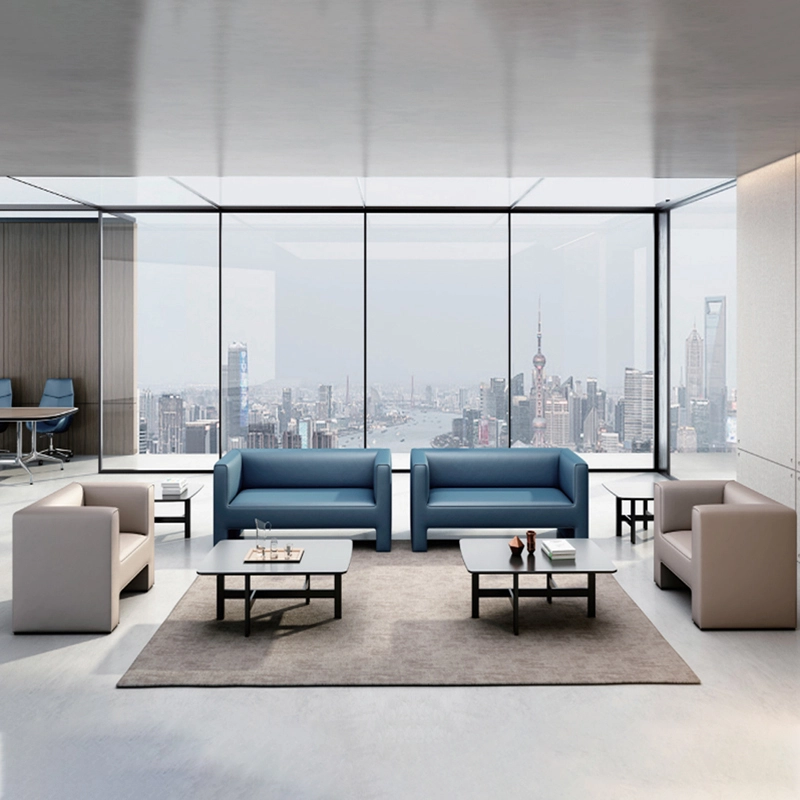
High Quality Wholesale Custom Furniture Waiting Sofa Modern Leisure Sofa
Customizable sofas, featuring a artificial leather cover that's durable and stain-resistant. Customizable sizes are also available. This sofa features a sturdy frame and high-quality materials, making it suitable for everyday use. Its versatile design makes it ideal for living rooms, apartments, lounge areas, and even cozy reading nooks. It's more than just a sofa; it's a statement piece for stylish and intelligent living.
Want to get more of our articles?
Contact one of our sales representatives or fill out this form.
MEI YI Furniture provides a one-stop service for the design, manufacturing, and customization of office, hotel, and school furniture.
Contact: Asya
Email: asya@myofficefurniture.com.cn
WhatsApp: +86 134 2216 1319
Address: No. 25, Nan Street, Jinpan, Zhongluotan Town, Baiyun District, Guangzhou, China.
Whatsapp: +8613422161319
Fackbook
Instagram
YouTube