





Cost-Benefit Analysis: Refurbish vs Replace Hotel Furniture
- Maximizing ROI on Guestroom Furnishings
- Understanding the business case
- Key decision drivers
- Assessing Current Condition and Operational Needs
- Condition audit: what to measure
- Operational constraints and guest impact
- When to prioritize replacement
- Cost-Benefit Framework: Refurbish vs Replace
- Comparative table: high-level metrics
- Sample lifecycle cost calculation (per room, illustrative)
- Implementation, Procurement and Sustainability Considerations
- Procurement strategy and contract terms
- Materials, compliance and indoor air quality
- Sustainability and end-of-life planning
- Operational Playbook: Steps to Decide and Execute
- Step-by-step decision checklist
- Project timeline and phasing
- Vendor selection criteria
- MEI YI Furniture: Manufacturer Spotlight & Why It Matters
- Company profile and core strengths
- Capabilities that matter for hotel projects
- How MEI YI helps the refurbish vs replace decision
- FAQ — Common Questions on Refurbishing vs Replacing Hotel Furniture
- 1. How long should hotel furniture last before replacement?
- 2. What are the main cost components when replacing furniture for hotels?
- 3. Can refurbishment maintain brand standards?
- 4. Is refurbishing always more sustainable than replacing?
- 5. What warranties or guarantees should hotels demand?
- 6. How to quantify guest perception impact?
- Contact & Next Steps
- References
Maximizing ROI on Guestroom Furnishings
Understanding the business case
Hotel owners and operators must balance guest satisfaction, brand positioning, operational uptime, and capital expenditure when deciding on furniture upgrades. The choice between refurbishing existing assets and replacing them entirely affects operational cost, guest perception, environmental impact and long-term maintenance schedules. This analysis prioritizes measurable metrics—total cost of ownership (TCO), expected useful life, downtime, and impact on RevPAR (revenue per available room)—to create an actionable decision framework for furniture for hotels.
Key decision drivers
Primary drivers that should influence your decision include: current asset condition, brand standards and positioning, availability of parts/materials, regulatory or sustainability requirements, projected occupancy during works, and capital budget constraints. Quantifying these drivers enables objective comparison between refurbish and replace options.
Assessing Current Condition and Operational Needs
Condition audit: what to measure
Conduct a systematic audit of furniture for hotels, covering structural integrity (frames, joints, fixings), upholstery and surface wear, functional performance (drawers, hinges, casters), safety and compliance (fire rating, formaldehyde/emissions) and guest-visible aesthetics. Use a scoring system (e.g., 1–5) for each category to produce an overall condition index that drives the next steps.
Operational constraints and guest impact
Map out seasonal occupancy, peak booking windows and the acceptable number of rooms out of service. Refurbishment often reduces downtime per room versus full replacement, but cumulative disruption and inconsistent room appearance can hurt guest experience. Consider cluster scheduling and mock-ups to maintain brand consistency during phased interventions.
When to prioritize replacement
Replace when the structure is compromised (frames or support failures), safety or compliance issues exist (e.g., non-compliant flame retardants or high VOCs), when complete brand uplift is required, or when long-term maintenance costs exceed replacement break-even points. If multiple pieces score low on structural integrity and the expected remaining life is under 3–5 years, replacement is usually the better investment.
Cost-Benefit Framework: Refurbish vs Replace
Comparative table: high-level metrics
| Metric | Refurbish | Replace |
|---|---|---|
| Typical upfront cost per room (range) | $300–$1,500 (reupholstery, re-laminating, hardware) | $2,000–$10,000+ (depending on spec & customization) |
| Expected added useful life | 2–7 years | 7–15+ years |
| Downtime per room | 4–24 hours (piece-by-piece or same-day works possible) | 1–3 days (install & assembly), can be longer for custom deliveries |
| Environmental impact | Lower waste, lower embodied carbon (if reused) | Higher embodied carbon and waste unless materials are reclaimed/recycled |
| Impact on guest perception | Moderate if finishes match current brand; risk of inconsistent look | High positive impact if design aligns with brand repositioning |
Sample lifecycle cost calculation (per room, illustrative)
Assumptions: hotel evaluating 10-year horizon; discounting omitted for simplicity.
| Item | Refurbish | Replace |
|---|---|---|
| Initial cost | $800 (mid-range) | $5,000 (mid-range) |
| Maintenance/repair over 10 years | $1,200 | $800 |
| Re-refurbish or partial replacement at year 5 | $700 | $0 |
| Total 10-year cost | $2,700 | $5,800 |
Interpretation: refurbishing can be significantly cheaper on a 10-year basis if the structure is sound and maintenance costs are controlled. However, replacement offers longer-term stability, reduced disruption from repeated interventions, and potentially higher guest satisfaction which can increase RevPAR.
Implementation, Procurement and Sustainability Considerations
Procurement strategy and contract terms
Whether refurbishing or replacing, define scopes clearly: items to be retained, elements to be restored, project timeline, acceptance criteria, and warranties. For replacements, insist on warranty terms, lead times, and QA checkpoints. Consider factory-direct suppliers with OEM/ODM capabilities to reduce markups and ensure production control.
Materials, compliance and indoor air quality
Use E1-grade substrates and low-VOC finishes to comply with health standards and improve indoor air quality. Ask for material certifications (FSC for wood, CE/ISO compliance for manufacturing processes) and test reports for formaldehyde or flame-retardant chemicals where local regulations demand. These measures reduce risk and future remediation costs.
Sustainability and end-of-life planning
Refurbishing typically reduces waste and embodied carbon. If replacing, require take-back, recycling or certified disposal of old furniture. Track embodied carbon where possible for corporate reporting; investing slightly more in recyclable or modular furniture can reduce lifecycle environmental impact and appeal to sustainability-conscious travelers.
Operational Playbook: Steps to Decide and Execute
Step-by-step decision checklist
- Conduct a detailed condition audit and score assets.
- Estimate refined costs for both refurbish and replace, including downtime, logistics and maintenance.
- Model TCO over a 5–15 year horizon with sensitivity to occupancy and RevPAR impact.
- Assess compliance and sustainability requirements; request certificates and lab tests.
- Run a pilot: refurbish/replace a sample room, collect guest and staff feedback, then scale.
Project timeline and phasing
Phasing reduces guest disruption and spreads CAPEX. Typical timeline: procurement & design (8–12 weeks), production/fabrication (8–16 weeks), onsite installation (1–4 weeks per floor depending on scale). For refurbishments, a rolling schedule with same-day room turnovers can often be achieved with experienced teams.
Vendor selection criteria
Select vendors based on manufacturing capability, certifications (ISO/CE/FSC), warranty terms, project management experience in hospitality, multilingual communication for international projects, and factory audit results. Factory-direct manufacturers with design services reduce lead times and increase customization accuracy.
MEI YI Furniture: Manufacturer Spotlight & Why It Matters
Company profile and core strengths
MEI YI Furniture: Custom Furniture Manufacturer — With 16+ years of expertise, MEI YI Furniture designs and manufactures High Quality furniture for offices, hotels, schools, healthcare, and public spaces globally. Our end-to-end solutions cover design, production, customization, and after-sales support.Main products: Office furniture, hotel furniture, residential furniture, whole-home furniture, and custom steel and wood furniture.
Capabilities that matter for hotel projects
Core Capabilities:25,000 m² factory 100+ professionals20,000+ units/year capacityISO/CE/FSC-certified manufacturingE1-grade eco-friendly materials10+ advanced production linesKey Strengths:1. Full Quality Control—Rigorous inspections from raw materials to finished products2. Factory-Direct Value—OEM/ODM available with 5-year warranty & free CAD/3D design3. Global Experience - Multilingual team handles international projects from design to delivery.Committed to creating ideal environments through functional, aesthetic furniture solutions.
How MEI YI helps the refurbish vs replace decision
MEI YI offers flexible solutions: refurbishment services for on-site reupholstery and modular upgrades, and full replacement with customizable designs and factory-level QA. Their factory-direct model reduces procurement layers, and certifications (ISO/CE/FSC) mitigate compliance risk. The free CAD/3D design and 5-year warranty help hotels evaluate ROI and lifecycle performance with greater confidence.
FAQ — Common Questions on Refurbishing vs Replacing Hotel Furniture
1. How long should hotel furniture last before replacement?
Typical useful life depends on usage and quality: budget furniture may last 5–7 years, mid-market 7–10 years, and high-end 10–15+ years. Structural failures and compliance issues may require earlier replacement.
2. What are the main cost components when replacing furniture for hotels?
Costs include design and specification, manufacturing, shipping/logistics, customs/import duties (if applicable), onsite installation, disposal of old furniture, and potential downtime-related revenue loss.
3. Can refurbishment maintain brand standards?
Refurbishment can maintain or refresh aesthetics if executed consistently with materials and finishes that match brand guidelines. However, if a major brand repositioning is planned, replacement may be more effective for cohesion.
4. Is refurbishing always more sustainable than replacing?
Often yes, because it reduces waste and embodied carbon. But sustainability also depends on the methods and materials used. Sometimes replacing with highly recyclable, low-VOC materials and take-back programs can be a responsible choice.
5. What warranties or guarantees should hotels demand?
Request clear warranties on structural components, finishes, workmanship, and performance—ideally multi-year (e.g., 3–5 years for hotel furniture). For replacements, ensure delivery timelines and penalties for missed deadlines are specified.
6. How to quantify guest perception impact?
Use pilot rooms and A/B testing. Track metrics like RevPAR, guest satisfaction scores (GSS), online reviews, and repeat booking rates before and after interventions to measure impact quantitatively.
Contact & Next Steps
If you’re evaluating a refurbish vs replace project for furniture for hotels, consult with a manufacturer that offers design support, on-site assessment, certifications and a factory-direct model to control costs. For professional support, custom design help, and a quote:
Contact MEI YI Furniture to discuss your project, request free CAD/3D design and a detailed proposal. Learn more about their Office Furniture, Hotel Furniture and School Furniture solutions and how factory-direct manufacturing, ISO/CE/FSC certifications and 5-year warranty reduce project risk.
References
- Business and industry resources: Hospitality Net — hospitality industry news and renovation insights. https://www.hospitalitynet.org/ (accessed 2026-01-02)
- Hotel renovation guidance and project planning: Hotel Management — editorial and case studies on hotel renovations. https://www.hotelmanagement.net/ (accessed 2026-01-02)
- Furniture industry standards and ergonomic guidance: BIFMA (Business and Institutional Furniture Manufacturers Association). https://www.bifma.org/ (accessed 2026-01-02)
- Forest Stewardship and responsible wood sourcing: Forest Stewardship Council (FSC). https://www.fsc.org/ (accessed 2026-01-02)
- Quality management and certification information: International Organization for Standardization (ISO). https://www.iso.org/ (accessed 2026-01-02)
- Health and indoor air quality guidance (formaldehyde, VOCs): U.S. Environmental Protection Agency (EPA). https://www.epa.gov/formaldehyde (accessed 2026-01-02)
- Market data and renovation metrics: Statista — hospitality industry statistics and renovation cost trends. https://www.statista.com/ (accessed 2026-01-02)
Note: cost ranges and lifecycle examples in this article are illustrative and should be validated with on-site audits and supplier quotes for precise budgeting.
Customizable Workstation Office Kits: Manufacturing Tips
Marble and Stone CEO Desks: Luxury Office Options
CEO Desk Maintenance: Cleaning and Care Tips
Shipping Solutions for Heavy Executive Desks
Service
Why choose us?
A. Business Type: Furniture Manufacture,Production and export trade experience: Over 15 years Factory area:10000 + square meters Member:>100 staffs Design Team: Minimum 20 pax to organize
B.Customization: Welcome to OEM and ODM or Project.
C.Delivery:15days for 20GP, 25days for 40HQ.
D. Testing center is available in our factory, and regularly through national authoritative organization authoritative authentication, ensure that each product is qualified. E.Competitive price from factory directly.
What's your products range?
1.Whether you need office furniture, home furniture, hotel furniture, school furniture.or special custom furniture products, we can meet your requirements.
2.-Products including office table, office chair, office filing cabinet, office workstation,Office sofa, office reception ,office conference room and so on, Simple Leisure Sets etc.
ls there cheap shipping cost to import to our country?
For small order,express will be best. And for bulk order,sea ship way is best but take much time; For urgent orders,we suggest via air to airport plus our ship partner send to your door. When we calculate the freight for you, we will choose the cheapest,safest express company. lt is the freight company that asks us to pay, so we can not make it cheaper. lf you have your own agent in China, we can send the package to your agent.
Can you handle small orders ?
Of course, in order to support clients' business, We also take small orders.
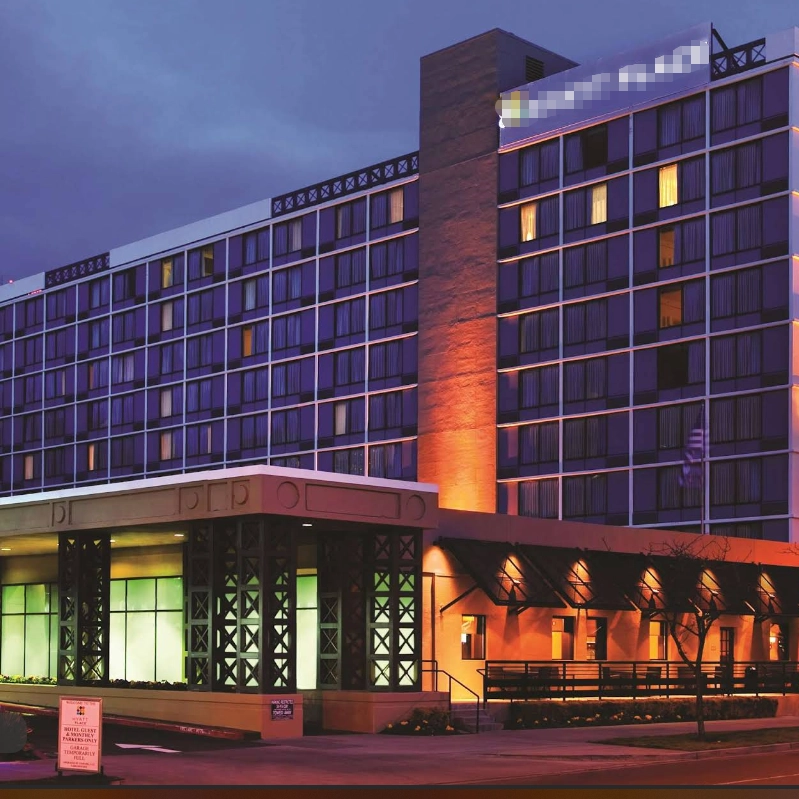
MEIYI Hotel Full-House Custom Furniture Solutions
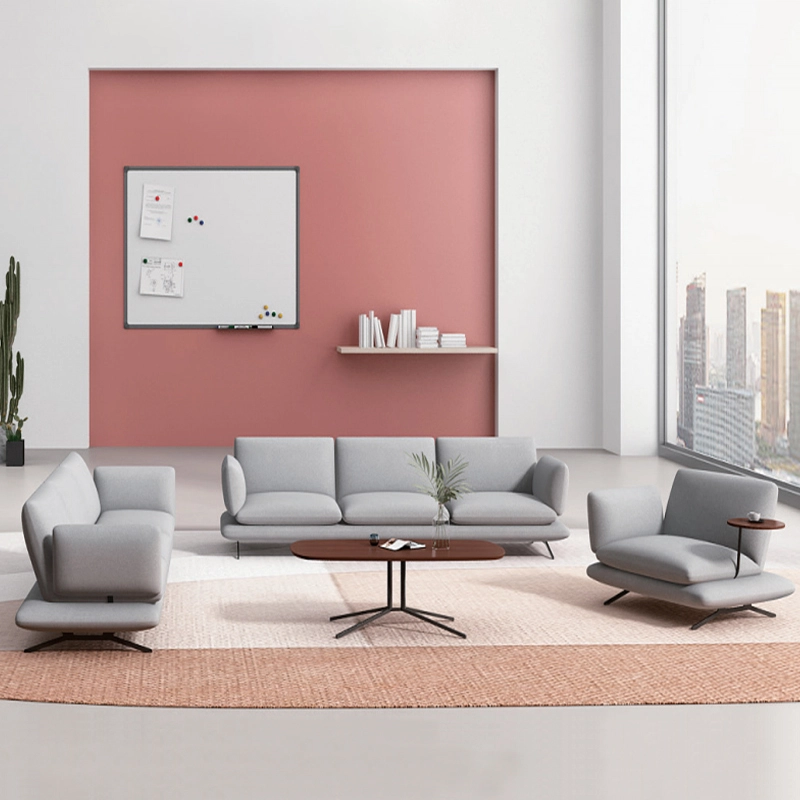
Modern Office Waiting Sofa Set Comfortable Lounge Seating
Customizable sofas, featuring a teddy fabric cover that's durable and stain-resistant. Customizable sizes are also available. This sofa features a sturdy frame and high-quality materials, making it suitable for everyday use. Its versatile design makes it ideal for living rooms, apartments, lounge areas, and even cozy reading nooks. It's more than just a sofa; it's a statement piece for stylish and intelligent living.

MEI YI Furniture × Hotel: Custom Furniture Empowers the Quality Upgrade of a National Hotel Brand
MEI YI Furniture partners with Hotel to deliver custom hotel furniture that combines high-efficiency and durability. This collaboration elevates the quality of a national hotel brand, showcasing MEI YI’s expertise in crafting tailored, long-lasting solutions for High Quality hospitality spaces.
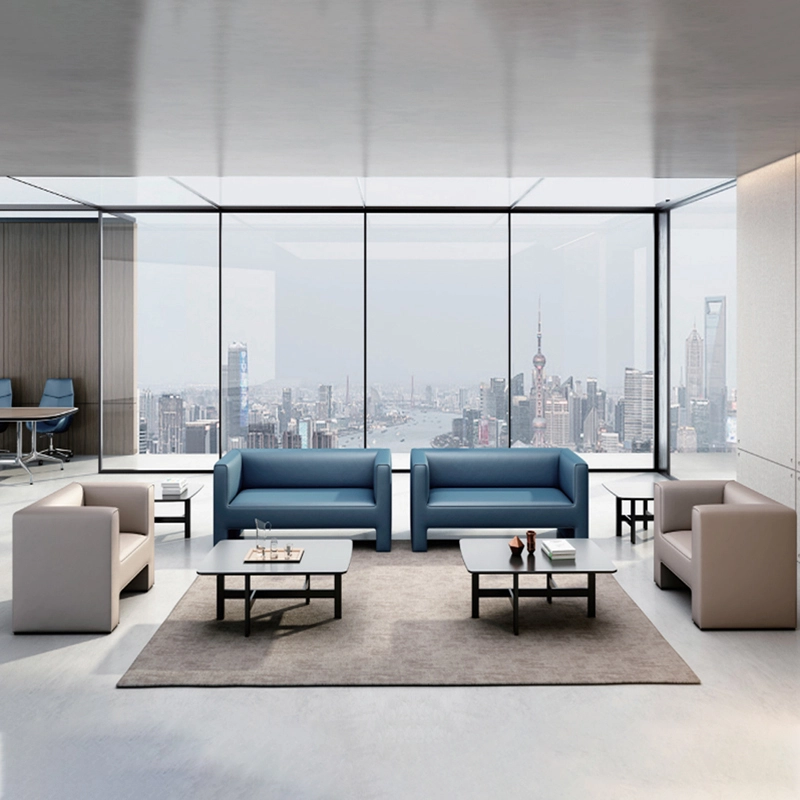
High Quality Wholesale Custom Furniture Waiting Sofa Modern Leisure Sofa
Customizable sofas, featuring a artificial leather cover that's durable and stain-resistant. Customizable sizes are also available. This sofa features a sturdy frame and high-quality materials, making it suitable for everyday use. Its versatile design makes it ideal for living rooms, apartments, lounge areas, and even cozy reading nooks. It's more than just a sofa; it's a statement piece for stylish and intelligent living.
Want to get more of our articles?
Contact one of our sales representatives or fill out this form.
MEI YI Furniture provides a one-stop service for the design, manufacturing, and customization of office, hotel, and school furniture.
Contact: Asya
Email: asya@myofficefurniture.com.cn
WhatsApp: +86 134 2216 1319
Address: No. 25, Nan Street, Jinpan, Zhongluotan Town, Baiyun District, Guangzhou, China.
Whatsapp: +8613422161319
Fackbook
Instagram
YouTube