





Privacy Solutions for Open Office Workstations
- Balancing Openness and Focus: Designing Privacy That Works
- Why privacy in open office workstations matters
- Key privacy needs for office workstations
- Types of privacy solutions for office workstations
- How to read the table
- Acoustic strategies for office workstations
- Principles and measurable targets
- Visual privacy and ergonomic furniture for office workstations
- Design rules for visual privacy
- Designing zoning and circulation for office workstations
- Practical zoning steps
- Behavioral and policy interventions for office workstations
- Implementation roadmap and cost considerations for office workstations
- MEI YI Furniture: Supporting privacy solutions for open office workstations
- How MEI YI supports acoustic & visual strategies
- Simple case example: Deploying a layered solution for a 200-person office
- Frequently Asked Questions (FAQ)
- 1. What are the most cost-effective privacy improvements for office workstations?
- 2. Do acoustic panels actually reduce speech distraction around office workstations?
- 3. How high should workstation screens be to balance collaboration and privacy?
- 4. Is sound masking necessary for every open office?
- 5. How do we measure whether privacy interventions are working for office workstations?
- 6. Can custom furniture help meet sustainability targets while improving privacy?
- References and sources
Balancing Openness and Focus: Designing Privacy That Works
Why privacy in open office workstations matters
Open-plan layouts remain popular for collaboration and space efficiency, but they bring measurable downsides when privacy is insufficient. Research shows decreased satisfaction, concentration loss, and higher perceived distraction in poorly designed open environments. A 2013 study by Kim & de Dear (Journal of Environmental Psychology) found that perceived privacy significantly predicts workspace satisfaction and perceived productivity. More recent workplace surveys (e.g., Gensler U.S. Workplace Survey 2022) indicate that employees increasingly value hybrid work and private focus spaces alongside collaborative areas.
Key privacy needs for office workstations
When designing privacy for office workstations, address three core user needs: acoustic privacy (ability to concentrate and avoid overhearing), visual privacy (reduced visual distraction and confidential screen/content shielding), and territorial privacy (clear personal space and storage). Effective solutions combine furniture, materials, layout, and policy to meet these needs while retaining the benefits of openness.
Types of privacy solutions for office workstations
Below is a comparative table of common privacy solutions for open office workstations, including typical benefits, limitations, and implementation tips. Use this as a decision matrix when selecting options for different zones and user groups.
| Solution | Primary benefit | Limitations | Best use for office workstations |
|---|---|---|---|
| Desk screens and high-back workstations | Improves visual privacy, some acoustic dampening | Limited sound blocking; can isolate users if overused | Individual focus work and sensitive tasks |
| Acoustic panels & baffles | Reduces reverberation and background noise | Requires careful placement; not a full soundproofing solution | Open floors with high ceilings and hard surfaces |
| Sound masking systems | Improves speech privacy by raising ambient spectrum | Initial calibration and ongoing tuning required | Busy open-plan areas and call zones |
| Phone booths & focused rooms | High privacy for calls and concentrated tasks | Space and cost intensive | Rooms of 1–4 people, high-privacy needs |
| Layout zoning & circulation design | Separates noisy collaboration from quiet work | Requires larger floorplate or rebalancing density | All open office layouts |
How to read the table
The table shows that no single solution is sufficient. A layered approach—furniture screens + acoustic treatments + policy + room options—delivers the best balance for office workstations, improving productivity and employee satisfaction while preserving collaborative benefits.
Acoustic strategies for office workstations
Acoustics are the most common pain point in open offices. Noise and intelligible speech are major distractors; according to WHO and environmental noise research, speech privacy and decibel management directly affect stress and concentration.
Principles and measurable targets
- Background noise: Use sound masking to raise ambient level into a smooth spectrum (commonly ~42–48 dB(A) in typical offices) to reduce intelligibility of distant speech.
- Speech privacy: Aim to reduce Speech Transmission Index (STI) or reduce sound transmission via materials and partitions. For high privacy areas, aim for STI values that make speech unintelligible beyond the immediate workstation.
- Reverberation time (RT60): Install absorbers to lower RT60 in open spaces—target RT60 under 0.6–0.8 seconds for medium-sized office floors depending on ceiling height.
Implement acoustic panels, ceiling baffles, soft furnishings, and sound-masking systems. To verify performance, measure ambient dB(A) and STI before and after deployment; engage an acoustician for large renovations.
Visual privacy and ergonomic furniture for office workstations
Visual privacy is solved largely through furniture design and workstation layout. Panels, screens, and furniture height determine sightlines and perceived enclosure. At the same time, ergonomic elements (monitor arms, sit-stand desks, storage) support focus by reducing discomfort and friction.
Design rules for visual privacy
- Panel heights: Low screens (~30–40 cm) help limit visual distraction while maintaining a sense of openness; high screens (>120 cm) provide near-complete visual separation for concentrated tasks. Adjustable or modular panels deliver flexibility.
- Back-to-back vs. face-to-face: Back-to-back arrangements reduce direct sightlines and can improve perceived privacy.
- Integrated storage and plant barriers: Use cabinetry and greenery to create soft barriers that add storage and acoustic absorption.
Designing zoning and circulation for office workstations
Spatial zoning—clearly separating collaboration, heads-down work, and social areas—is one of the most cost-effective ways to balance openness and privacy. A typical approach for office workstations includes:
- Quiet zones with high privacy desks or rooms for focused work and confidential conversations.
- Collaboration zones with flexible furniture and writable surfaces for group tasks.
- Transition zones (buffer corridors or soft-seating) to prevent noise spill-over between zones.
Gensler’s workplace research highlights that employees prefer flexible mixes of private and collaborative spaces. Mapping activities to zones and adjusting ratio based on scheduled office presence (e.g., hybrid schedules) improves utilization and perceived privacy.
Practical zoning steps
- Audit tasks: Identify what percentage of staff require high-concentration time vs. frequent collaboration.
- Allocate space: Start with a minimum of 10–20% of floorplate for private/focus rooms for most mid-size offices; increase for knowledge-intensive teams.
- Test and iterate: Pilot furniture screens, booths, and sound masking in a single area and measure outcomes (employee surveys, noise metrics, space utilization).
Behavioral and policy interventions for office workstations
Furniture and architecture must be complemented by clear policies and norms. Examples:
- Focus hours and bookable quiet rooms—promote predictable quiet times for deep work.
- Phone etiquette guidelines—encourage use of booths for long/tact-sensitive calls.
- Hybrid schedules—coordinate peak in-office days to reduce overcrowding and noise.
Combine policies with signage and digital booking systems to shift behavior. These interventions are low-cost but require leadership modeling and consistent reinforcement.
Implementation roadmap and cost considerations for office workstations
Deploying privacy solutions should follow a staged approach to control cost and validate effectiveness:
- Discovery: Conduct space audits, employee surveys, and baseline acoustic measurements.
- Pilot: Implement layered solutions (e.g., screens + localized acoustic panels + one phone booth) in a pilot zone.
- Measure: Use KPIs—employee satisfaction, noise dB(A), space utilization—to evaluate impact after 6–12 weeks.
- Scale: Prioritize high-impact solutions and roll out by zone, adjusting based on feedback and metrics.
- Maintain: Schedule cleaning and periodic recalibration (especially for sound masking systems) and plan refresh cycles for soft materials.
Cost variables include booth price (often $2,000–$10,000+ depending on features), acoustic treatments (varies by area), and modular furniture screens (lower-cost but accumulative). Consider productivity gains: even modest improvements in focus time can offset furniture investment for knowledge workers.
MEI YI Furniture: Supporting privacy solutions for open office workstations
MEI YI Furniture: Custom Furniture Manufacturer offers end-to-end solutions that align with layered privacy strategies for office workstations. With 16+ years of expertise, MEI YI designs and manufactures High Quality furniture for offices, hotels, schools, healthcare, and public spaces globally. Their services and capabilities are particularly suited for privacy-focused open-plan projects:
- Factory scale and quality—25,000 m² factory, 100+ professionals, 10+ advanced production lines, and ISO/CE/FSC-certified manufacturing, ensuring consistent quality and supply reliability.
- Materials & certifications—E1-grade eco-friendly materials and FSC certifications support indoor air quality and sustainability goals.
- Production capacity—20,000+ units/year capacity with factory-direct pricing, OEM/ODM availability, and a 5-year warranty for durability assurances.
- Design support—free CAD/3D design, multilingual team, and global delivery experience help tailor solutions to specific zoning and acoustic targets for office workstations.
Main products relevant to privacy solutions include office furniture (modular workstations, screen systems, high-back seating), hotel furniture (soft furnishings that serve acoustic roles in mixed-use spaces), and school furniture (durable partitioning and mobile booths). Key strengths—full quality control, factory-direct value, and global project experience—make MEI YI a viable partner for organizations seeking to implement layered privacy strategies at scale.
How MEI YI supports acoustic & visual strategies
- Custom panel heights and materials: Options for fabric-wrapped absorbers, PET panels, and timber-faced screens to balance sound absorption and aesthetics.
- Integrated storage and planter modules: Furniture that doubles as soft barrier and adds mass/absorption for improved acoustics.
- Booth and pod manufacturing: Modular focus booths with acoustic seals and ventilation options for confidential calls and deep work.
Simple case example: Deploying a layered solution for a 200-person office
Summary implementation (illustrative):
- Discovery & survey (2–4 weeks): identify high noise corridors and user needs.
- Pilot zone (1 week installation): 20 workstations with mid-height screens, 4 acoustic ceiling baffles, and 1 phone booth.
- Measurement (6–8 weeks): employee satisfaction up 18% in pilot area; ambient noise reduced by 3–5 dB(A) in targeted zone (measured with sound level meter).
- Rollout (3–6 months): staged procurement of additional screens, panels, and two more booths—leveraging factory production capacity for lead-time efficiency.
MEI YI’s factory-direct model shortens lead times and reduces markups in such rollouts while providing warranty and post-sales support.
Frequently Asked Questions (FAQ)
1. What are the most cost-effective privacy improvements for office workstations?
Start with desk screens, strategic furniture arrangement (back-to-back desks, buffer zones), and soft-surface treatments (carpets, fabric panels). These offer good ROI before investing in booths and full sound-masking systems.
2. Do acoustic panels actually reduce speech distraction around office workstations?
Yes—panels reduce reverberation and lower the overall intelligibility of distant speech. For measurable speech privacy improvement combine absorbers with screens and, if needed, sound masking to address intelligibility.
3. How high should workstation screens be to balance collaboration and privacy?
For shared visibility and collaboration choose low screens (~30–40 cm). For more private tasks use higher or modular screens (90–120+ cm) that can be added when needed. Adjustable/modular screens give the best flexibility.
4. Is sound masking necessary for every open office?
Not always. Sound masking is most effective in mid-to-large open plans with high speech activity and hard surfaces. Use a pilot and measure benefit (speech privacy and occupant satisfaction) before full deployment.
5. How do we measure whether privacy interventions are working for office workstations?
Combine objective measures (ambient dB(A), reverberation time, STI where feasible) with subjective surveys on distraction and satisfaction. Track utilization of focus rooms and booking rates for phone booths as operational indicators.
6. Can custom furniture help meet sustainability targets while improving privacy?
Yes. Choose manufacturers offering E1-grade materials, FSC-certified wood, and low-VOC finishes. MEI YI’s certifications and eco-friendly materials demonstrate how custom furniture can meet both privacy and sustainability requirements.
If you’d like a site audit, CAD layouts, or sample configurations for your office workstations, contact MEI YI Furniture for a consultation or view product examples and custom options. Our team provides free CAD/3D design, multilingual support, and factory-direct manufacturing to help you implement an effective privacy strategy.
References and sources
- Kim, J., & de Dear, R. (2013). Workspace satisfaction: The privacy-communication balance. Journal of Environmental Psychology. https://www.sciencedirect.com/science/article/pii/S0272494413000210 (accessed 2025-12-22)
- Gensler Research Institute. Gensler U.S. Workplace Survey 2022. https://www.gensler.com/research-insight/gensler-us-workplace-survey-2022 (accessed 2025-12-22)
- Steelcase: Research and resources on privacy in the workplace. https://www.steelcase.com/research/articles/topics/privacy/ (accessed 2025-12-22)
- World Health Organization. Environmental Noise Guidelines for the European Region (2018). https://www.who.int/publications/i/item/9789241550240 (accessed 2025-12-22)
- Occupational Safety and Health Administration (OSHA). Office ergonomics and workplace health resources. https://www.osha.gov/ergonomics (accessed 2025-12-22)
- International Facility Management Association (IFMA). https://www.ifma.org (accessed 2025-12-22)
- MEI YI Furniture: company profile and capabilities (client-provided specification summary). Internal data provided by MEI YI Furniture (accessed 2025-12-22)
Contact MEI YI Furniture to request product catalogs, CAD/3D design samples, and a quotation for privacy-focused office workstation solutions.
Top Materials for Luxury Executive Desks
Installation and Maintenance Guide for Workstations
Top Colors and Wood Tones for CEO Office Desks
Affordable Home-Office Setup 2026: Budget Furniture Picks
Service
ls there cheap shipping cost to import to our country?
For small order,express will be best. And for bulk order,sea ship way is best but take much time; For urgent orders,we suggest via air to airport plus our ship partner send to your door. When we calculate the freight for you, we will choose the cheapest,safest express company. lt is the freight company that asks us to pay, so we can not make it cheaper. lf you have your own agent in China, we can send the package to your agent.
What's your products range?
1.Whether you need office furniture, home furniture, hotel furniture, school furniture.or special custom furniture products, we can meet your requirements.
2.-Products including office table, office chair, office filing cabinet, office workstation,Office sofa, office reception ,office conference room and so on, Simple Leisure Sets etc.
Can you handle small orders ?
Of course, in order to support clients' business, We also take small orders.
Why choose us?
A. Business Type: Furniture Manufacture,Production and export trade experience: Over 15 years Factory area:10000 + square meters Member:>100 staffs Design Team: Minimum 20 pax to organize
B.Customization: Welcome to OEM and ODM or Project.
C.Delivery:15days for 20GP, 25days for 40HQ.
D. Testing center is available in our factory, and regularly through national authoritative organization authoritative authentication, ensure that each product is qualified. E.Competitive price from factory directly.
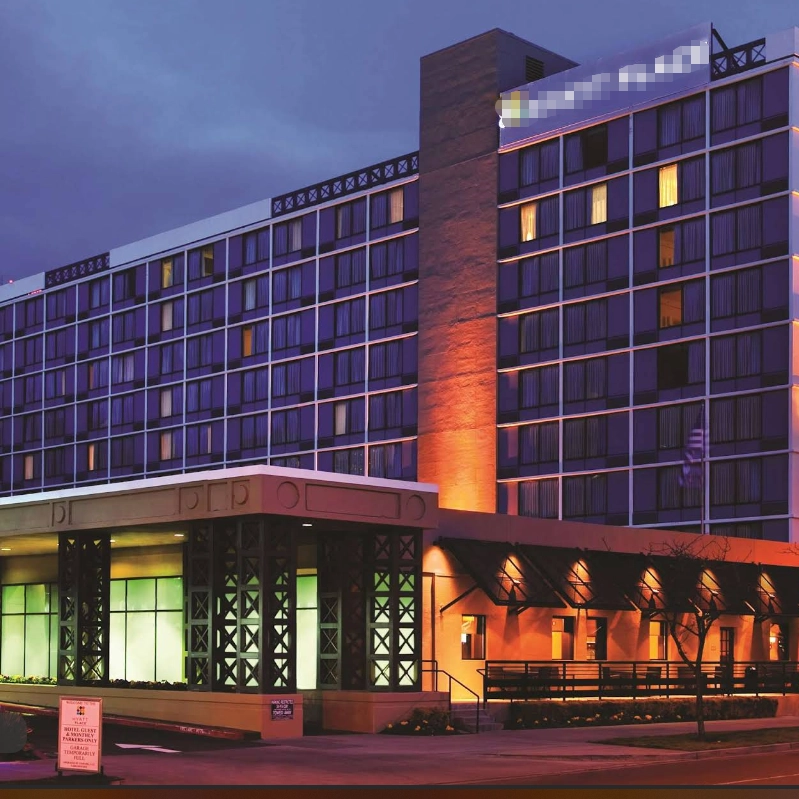
MEIYI Hotel Full-House Custom Furniture Solutions
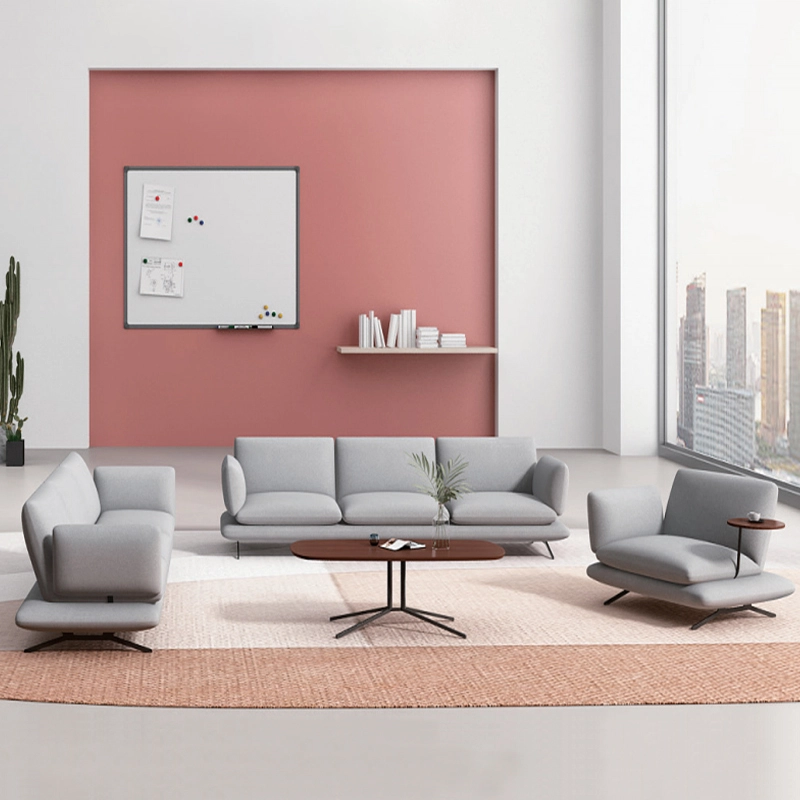
Modern Office Waiting Sofa Set Comfortable Lounge Seating
Customizable sofas, featuring a teddy fabric cover that's durable and stain-resistant. Customizable sizes are also available. This sofa features a sturdy frame and high-quality materials, making it suitable for everyday use. Its versatile design makes it ideal for living rooms, apartments, lounge areas, and even cozy reading nooks. It's more than just a sofa; it's a statement piece for stylish and intelligent living.

MEI YI Furniture × Hotel: Custom Furniture Empowers the Quality Upgrade of a National Hotel Brand
MEI YI Furniture partners with Hotel to deliver custom hotel furniture that combines high-efficiency and durability. This collaboration elevates the quality of a national hotel brand, showcasing MEI YI’s expertise in crafting tailored, long-lasting solutions for High Quality hospitality spaces.
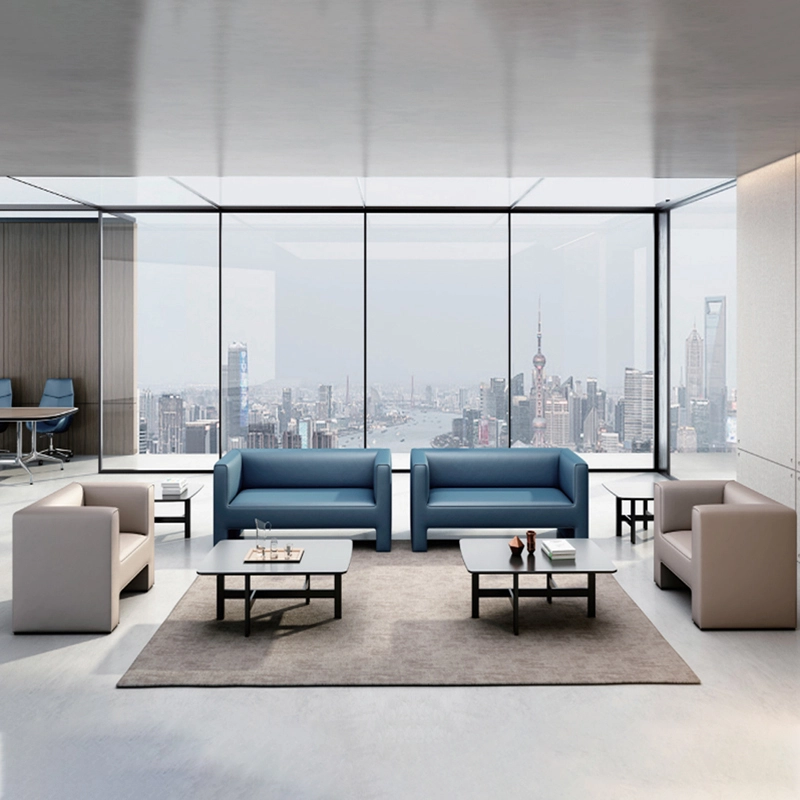
High Quality Wholesale Custom Furniture Waiting Sofa Modern Leisure Sofa
Customizable sofas, featuring a artificial leather cover that's durable and stain-resistant. Customizable sizes are also available. This sofa features a sturdy frame and high-quality materials, making it suitable for everyday use. Its versatile design makes it ideal for living rooms, apartments, lounge areas, and even cozy reading nooks. It's more than just a sofa; it's a statement piece for stylish and intelligent living.
Want to get more of our articles?
Contact one of our sales representatives or fill out this form.
MEI YI Furniture provides a one-stop service for the design, manufacturing, and customization of office, hotel, and school furniture.
Contact: Asya
Email: asya@myofficefurniture.com.cn
WhatsApp: +86 134 2216 1319
Address: No. 25, Nan Street, Jinpan, Zhongluotan Town, Baiyun District, Guangzhou, China.
Whatsapp: +8613422161319
Fackbook
Instagram
YouTube