





Office Workstation Trends: 2026 Design and Materials
- Future-Proofing Office Workstations for 2026
- Understanding demand for modern office workstations
- Hybrid work and spatial planning for office workstations
- Design strategies that reflect changing workplace utilization
- Ergonomics, privacy, and wellbeing in workstation design
- Human-centered features to specify for office workstations
- Materials and finishes: sustainability meets durability
- Selecting materials for long lifecycle office workstations
- Acoustics and privacy: integrated solutions for focused work
- How materials and form factor reduce noise in workstation clusters
- Technology integration: power, data, and clean cable management
- Specifying functional tech for modern office workstations
- Modularity, customization, and lifecycle cost
- Why configurable office workstations reduce total cost of ownership
- Supply chain, certifications, and manufacturing considerations for office workstations
- What procurement teams should require from manufacturers
- MEI YI Furniture: Custom Furniture Manufacturer
- How MEI YI supports office workstation programs
- Implementation checklist: specifying office workstations for 2026
- Practical RFP and procurement checklist
- FAQ — Office Workstation Trends 2026
- 1. What are the most important features to specify for office workstations in 2026?
- 2. Which materials offer the best balance of durability and sustainability for worktops?
- 3. How should organizations plan workstation layouts for hybrid work?
- 4. What certifications should I require from workstation manufacturers?
- 5. How can I reduce total cost of ownership for office workstations?
- 6. How do I assess acoustic performance for workstation screens?
- 7. Can MEI YI Furniture support global office workstation rollouts?
- Contact and product inquiry
- References
Future-Proofing Office Workstations for 2026
Understanding demand for modern office workstations
As organizations finalize post-pandemic workplace strategies, office workstations must balance flexibility, employee wellbeing, and cost-effectiveness. Decision-makers now evaluate workstations not only as furniture but as part of workplace infrastructure that affects productivity, retention, and real estate efficiency. This article synthesizes market signals, material science advances, design best practices, and manufacturing considerations to help you specify office workstations that perform through 2026 and beyond.
Hybrid work and spatial planning for office workstations
Design strategies that reflect changing workplace utilization
Hybrid work models mean lower peak density but greater variability in daily occupancy. For office workstations, this translates into three practical requirements:
- Modularity: stations that can be reconfigured from single desks to collaborative pods.
- Booking-ready ergonomics: adjustable desks and easy cable/connectivity solutions for hot-desking.
- Acoustic zoning: combining open-plan areas with acoustically treated workstation clusters for focused tasks.
Space planners should model workstation types against actual seat-utilization data (facility sensors or booking logs). The result is a workstation mix—fixed assigned desks for teams that require dedicated space, and reconfigurable benches and touchdown stations for flexible staff. Embedding these keywords—office workstations and workstation configuration—helps align procurement goals with workplace analytics.
Ergonomics, privacy, and wellbeing in workstation design
Human-centered features to specify for office workstations
Ergonomics remains a top priority. For 2026 specifications, require:
- Height-adjustable desks (electric preferred) with weight capacity and smooth travel.
- Integrated monitor arms, keyboard trays, and sit-stand timers or software support.
- Privacy screens and modesty panels sized for acoustic and visual separation without isolation.
- Task lighting with tunable color temperature to reduce eye strain.
Procurement teams should include ergonomics KPIs in RFPs (e.g., vertical travel range, load capacity, warranty terms). A focus on wellbeing reduces absenteeism and supports retention—critical commercial outcomes tied to workstation choices.
Materials and finishes: sustainability meets durability
Selecting materials for long lifecycle office workstations
Material choices are central to cost, maintenance, and sustainability. Key trends for 2026 materials include:
- Engineered woods and E1-grade panels to minimize formaldehyde emissions.
- High-pressure laminates (HPL) and powder-coated steel for durable, low-maintenance surfaces.
- Recycled PET felt and acoustic fabrics for noise control and circularity.
- Bamboo and FSC-certified wood where a High Quality eco-story is required.
- Antimicrobial finishes for high-touch areas, balanced with VOC and certification scrutiny.
Below is a practical comparison of common workstation materials to aid selection.
| Material | Durability | Sustainability | Maintenance | Typical Use for Office Workstations |
|---|---|---|---|---|
| High-Pressure Laminate (HPL) | High (scratch & stain resistant) | Medium (recyclable but resin-based) | Low (wipe clean) | Worktops, shared desks, reception counters |
| Engineered wood (MDF/PB, E1 grade) | Medium to High (with edge banding) | Medium (depends on sourcing & adhesives) | Medium (avoid moisture) | Desk panels, cabinetry, storage |
| Solid wood (FSC-certified) | High (durable; ages well) | High (if certified & responsibly sourced) | Medium (periodic care) | Executive desks, high-end meeting tables |
| Powder-coated steel | Very High (structural frames) | Medium (long life supports sustainability) | Low (resists corrosion) | Desk frames, legs, cable trays |
| Recycled PET felt & acoustic fabrics | Medium (depends on density) | High (circular material) | Medium (vacuum, spot-clean) | Acoustic screens, privacy panels |
| Bamboo & cork | Medium to High | High (rapidly renewable) | Low to Medium | Accent surfaces, sustainable product lines |
Note: choose materials in combination (e.g., HPL worktop + powder-coated steel frame) for cost-effective durability and ease of replacement. Always verify emissions certifications (E1 or equivalent) and request test reports for VOCs.
Acoustics and privacy: integrated solutions for focused work
How materials and form factor reduce noise in workstation clusters
Open-plan workstations require integrated acoustic thinking. Effective tactics include:
- Use of absorptive PET felt panels and fabric-wrapped screens (NRC-rated materials).
- Desk layout with staggered orientations to reduce direct sound pathways.
- Localized baffles, ceiling clouds, or planter dividers to add absorption above workstation zones.
Specify acoustic performance targets (e.g., target NRC or dB reduction levels) in procurement documents. Acoustic outcomes are measurable and meaningful to operational performance.
Technology integration: power, data, and clean cable management
Specifying functional tech for modern office workstations
Workstations must support charging, multiple displays, and hybrid meeting tools. Ask manufacturers for:
- Integrated power/data modules that meet regional electrical codes and include surge protection.
- Under-desk cable trays and dedicated pathways to simplify servicing.
- Options for integrated wireless charging or pop-up outlets in shared benches.
RFPs should include requirements for serviceability (e.g., access points for IT), details for maximum power draw per workstation, and cable management solutions that comply with fire and safety regulations.
Modularity, customization, and lifecycle cost
Why configurable office workstations reduce total cost of ownership
Modularity enables reconfiguration as teams change. Key specification points:
- Interchangeable tops, frames, and storage units for phased replacement versus whole-desk disposal.
- Standardized connection points across product lines to allow mix-and-match upgrades.
- Warranty terms and component-level replacement policies to minimize lifecycle cost.
Calculate total cost of ownership (TCO) over 7–10 years including maintenance, refurbishment, and disposal. Modular systems often have higher upfront cost but lower TCO when refurbishment and reuse are factored in.
Supply chain, certifications, and manufacturing considerations for office workstations
What procurement teams should require from manufacturers
Reliable supply and certified production are non-negotiable. Include these requirements in vendor selection:
- Factory certifications: ISO 9001/14001, CE, FSC chain-of-custody for wood products where required.
- Material certifications: E1 or equivalent formaldehyde emission data; VOC test reports for finishes.
- Capacity and lead-time transparency, plus site visits or virtual factory tours.
- After-sales support: warranty terms, spare parts availability, and on-site service options.
These criteria reduce risk and align procurement with corporate sustainability and compliance targets.
MEI YI Furniture: Custom Furniture Manufacturer
How MEI YI supports office workstation programs
MEI YI Furniture brings 16+ years of furniture manufacturing experience to office workstation projects. Their end-to-end approach covers design, production, customization, and after-sales support—beneficial when sourcing modular and certified office workstations. Key capabilities and differentiators:
- 25,000 m² factory with 10+ advanced production lines and a 100+ professional team—enabling consistent quality at scale.
- 20,000+ units/year capacity with ISO/CE/FSC-certified manufacturing and E1-grade eco-friendly materials—supporting sustainability and compliance objectives.
- Factory-direct value with OEM/ODM options, 5-year warranty, and free CAD/3D design—reducing lead time and ensuring design-for-manufacture accuracy.
- Full quality control with rigorous inspections from raw materials to finished products and multilingual global project management for international delivery.
Main product lines relevant to office workstations: office furniture, hotel furniture, school furniture, plus custom steel and wood furniture for comprehensive workplace fit-outs. MEI YI’s strengths—scalable manufacturing, certification credentials, and end-to-end support—make them a strong partner for organizations specifying hybrid-ready, sustainable, and modular office workstations.
Implementation checklist: specifying office workstations for 2026
Practical RFP and procurement checklist
Use this checklist when specifying or procuring office workstations:
- Define workstation types and quantities using utilization data.
- Specify ergonomic requirements (desk height range, monitor arm specs, load capacity).
- List material and finish performance targets, including E1/VOC limits and FSC sourcing if required.
- Set acoustic performance targets for screens and partitions (NRC ratings).
- Require factory certifications (ISO/CE/FSC) and sample test reports.
- Include modularity and spare-parts policy for long-term TCO reduction.
- Confirm warranty, lead times, and after-sales service terms.
FAQ — Office Workstation Trends 2026
1. What are the most important features to specify for office workstations in 2026?
Prioritize modularity, ergonomics (electric height-adjustable desks), integrated cable/power management, acoustic screens, and materials with verified low VOC emissions and responsible sourcing (E1, FSC where applicable).
2. Which materials offer the best balance of durability and sustainability for worktops?
High-pressure laminate (HPL) on engineered wood substrates provides cost-effective durability. For higher sustainability credentials, specify FSC-certified engineered wood or reclaimed wood options and pair with powder-coated steel frames for longevity.
3. How should organizations plan workstation layouts for hybrid work?
Use utilization data to create a mixed inventory: dedicated desks for core teams, flexible benches and touchdown spaces for hybrid staff, and quiet zones with acoustic treatment for focused work. Incorporate booking and wayfinding systems to smooth daily flow.
4. What certifications should I require from workstation manufacturers?
Request ISO 9001/14001 for quality and environmental management, CE marking where relevant, E1 (or equivalent) formaldehyde emission reports, and FSC chain-of-custody if specifying certified wood.
5. How can I reduce total cost of ownership for office workstations?
Choose modular systems with replaceable tops and components, require robust warranties and spare parts supply, prioritize durable materials, and plan for refurbishment rather than full replacement when needs change.
6. How do I assess acoustic performance for workstation screens?
Specify sound absorption ratings (NRC) for materials and request lab test reports or manufacturer data. Combine absorptive panels with strategic layout changes to achieve measurable dB reductions in targeted zones.
7. Can MEI YI Furniture support global office workstation rollouts?
Yes. With ISO/CE/FSC-certified manufacturing, a multilingual global team, factory-direct pricing, and experience delivering international projects, MEI YI Furniture can manage design, production, and delivery for multi-site rollouts, including CAD/3D design and a 5-year warranty.
Contact and product inquiry
If you are planning an office refurbishment or new fit-out and want workstation solutions tuned for 2026, contact MEI YI Furniture for a consultation, free CAD/3D design support, and a factory-direct quote. Their team can provide samples, test reports, and lead-time projections to align with your project timeline.
References
- Gensler Research — U.S. Workplace Survey series (insights on hybrid work and workplace preferences). https://www.gensler.com/research-insight (accessed 2025-12-22)
- Steelcase Research — Workplace studies and ergonomic guidance. https://www.steelcase.com/research/ (accessed 2025-12-22)
- Forest Stewardship Council (FSC) — Certification and chain of custody guidance. https://fsc.org/ (accessed 2025-12-22)
- International Organization for Standardization (ISO) — ISO 9001 / ISO 14001 certification information. https://www.iso.org/ (accessed 2025-12-22)
- High-Pressure Laminate (HPL) — General material properties. Wikipedia: https://en.wikipedia.org/wiki/Laminate (accessed 2025-12-22)
- Bamboo and cork as renewable materials — material properties and sustainability profiles. Wikipedia: https://en.wikipedia.org/wiki/Bamboo; https://en.wikipedia.org/wiki/Cork_(material) (accessed 2025-12-22)
- Acoustic materials and NRC ratings — overview. Wikipedia: https://en.wikipedia.org/wiki/Noise_reduction_coefficient (accessed 2025-12-22)
Customizable Workstation Office Kits: Manufacturing Tips
Durable Finishes and Materials for High-Use Workstations
Contemporary office furniture for hybrid workspaces
Comparing Panel vs Bench Office Workstations
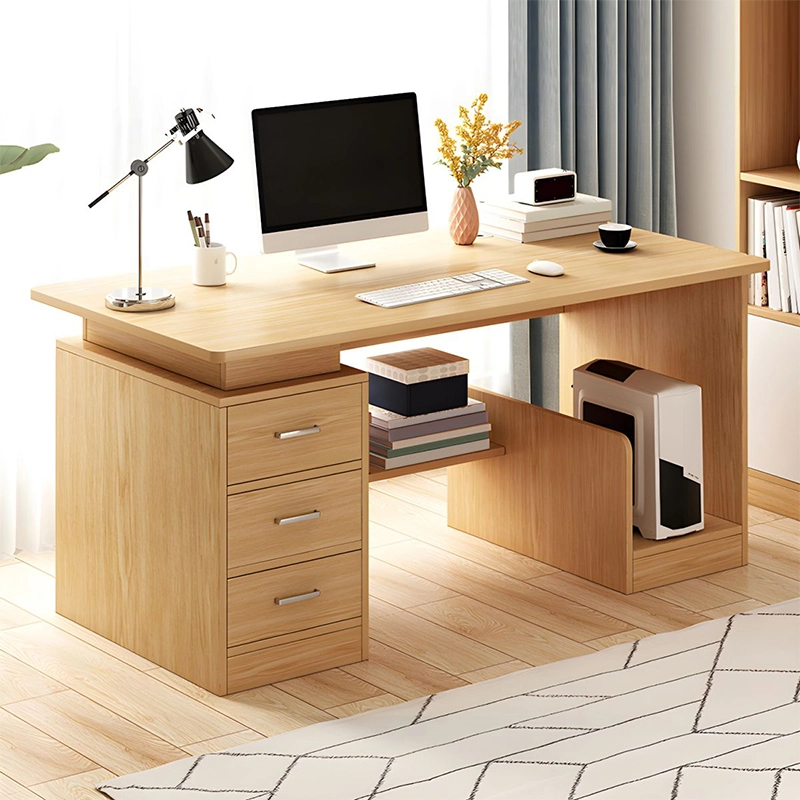
Wholesale Solid Wood Coworking Staff Desk—New Office Table with Drawers for Enterprise Staffs
As a trusted office desk wholesale supplier, we prioritize practicality: the desk is easy to assemble and rearrange, making it ideal for enterprises with flexible floor plans. The sturdy frame supports heavy use, and the natural wood finish is easy to clean and maintain. Whether you’re outfitting a large corporate team, a small department, or a shared coworking space, this desk delivers the right balance of functionality and style. For enterprises seeking adaptable, durable workstations that grow with their team, this wholesale solid wood desk is a smart, long-lasting investment.
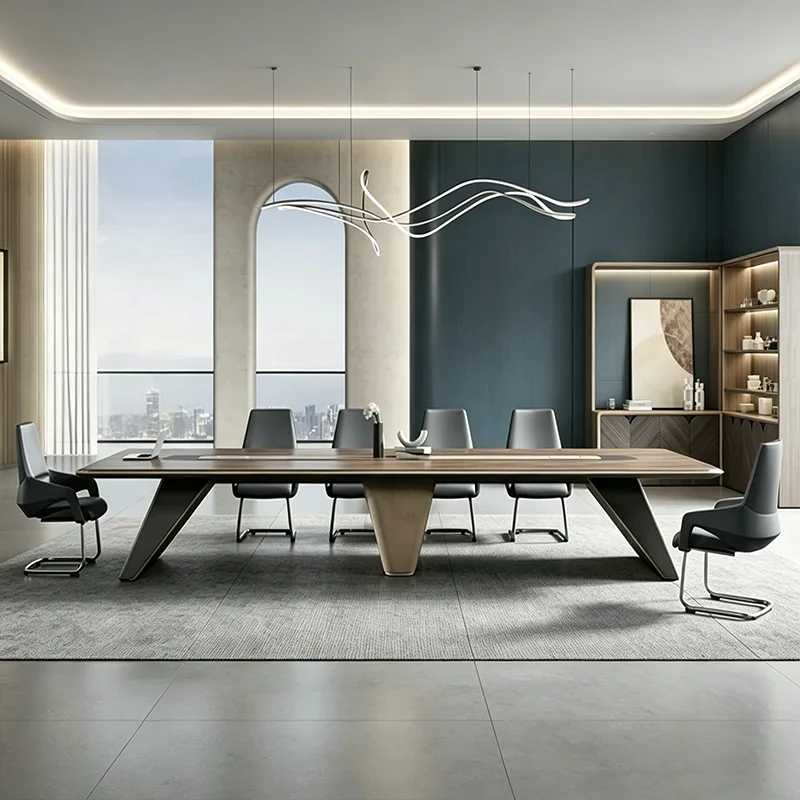
Modern Walnut Executive Conference Table with Cable Management & Custom Sizes
Designed for executive boardrooms, corporate meeting rooms and client presentation spaces, the MEI YI Furniture combines a long rounded walnut-look tabletop with architectural angled supports to create a refined professional centerpiece. Its spacious surface can be planned for different seating capacities, while the balanced three-support base gives the table a stable and distinctive profile.
A flush central cable-management channel helps organize power, data and meeting-room connections without disrupting the clean tabletop. The table can be configured in MDF or MFC with a durable wood-grain finish, with alternative finishes and power modules available according to project requirements.
Custom dimensions, colors, socket configurations, matching conference chairs, branding and packaging are available for commercial buyers, office furniture distributors and contract furnishing projects.
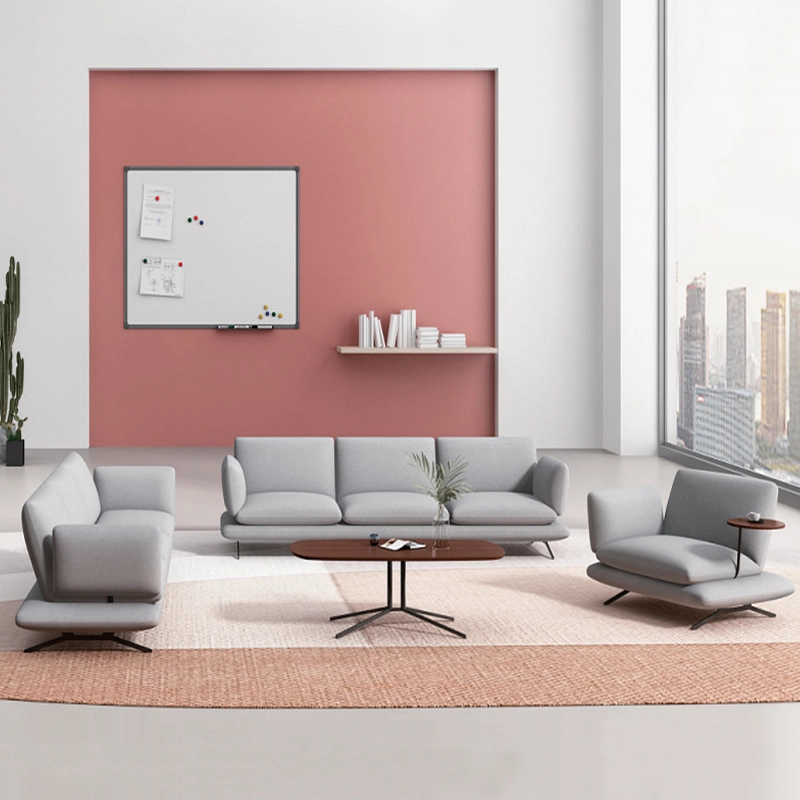
Modern Waiting Sofa for Reception Areas and Commercial Spaces
Modern Waiting Sofa Designed for High-Traffic Commercial Spaces
MEIYI's waiting sofa is engineered for commercial environments where comfort, durability and appearance are equally important.
Featuring premium teddy fabric upholstery, high-density foam cushioning and a reinforced internal frame, the sofa provides lasting support for visitors, clients and employees.
Create a welcoming and professional environment with MEIYI's modern waiting sofa. Designed for reception areas, office lobbies, clinics, hotels and commercial lounges, this waiting sofa combines ergonomic comfort, durable materials and customizable options to meet a variety of project requirements.Customizable sofas, featuring a teddy fabric cover that's durable and stain-resistant. Customizable sizes are also available.
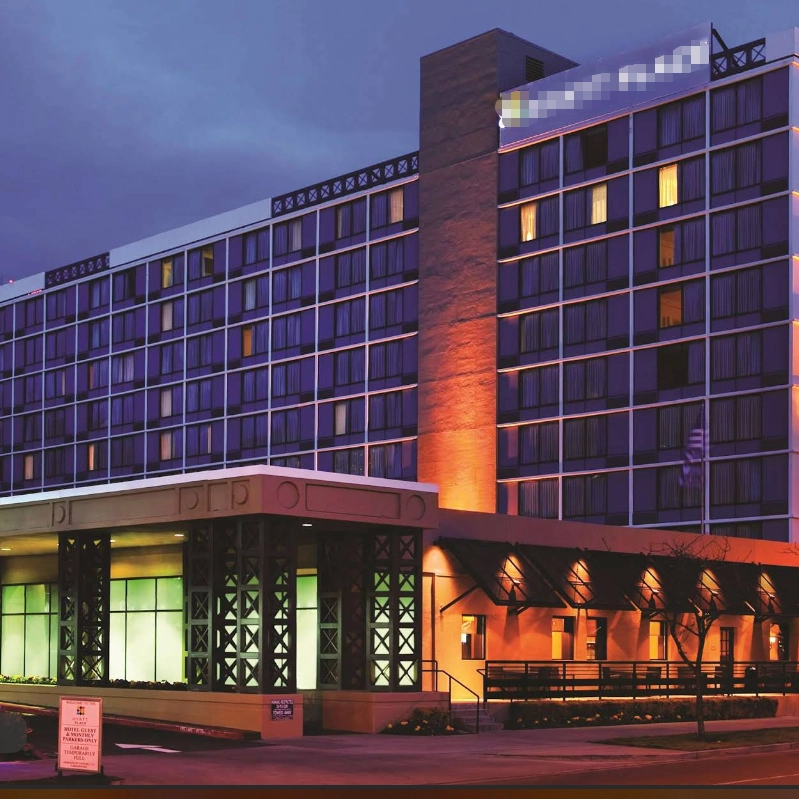
Commercial Hotel Curtain Wall System — Modern Architectural Facade Solution for Hospitality & Mixed-Use Development Projects
Want to get more of our articles?
Contact one of our sales representatives or fill out this form.
MEI YI Furniture provides a one-stop service for the design, manufacturing, and customization of office, hotel, and school furniture.
Contact: Asya
Email: asya@myofficefurniture.com.cn
WhatsApp: +86 134 2216 1319
Address: No. 25, Nan Street, Jinpan, Zhongluotan Town, Baiyun District, Guangzhou, China.
Whatsapp: +8613422161319
Fackbook
Instagram
YouTube