





Custom Office Workstations: From Design to Delivery
- Designing Tailored Office Workstations for Productivity
- Why custom office workstations matter
- Planning office workstations: define goals, users, and constraints
- Ergonomic office workstations: design for health and performance
- Types of office workstations: a comparison table
- Materials and sustainability for office workstations
- Manufacturing and quality control for office workstations
- Selecting a manufacturer for office workstations: key criteria
- MEI YI Furniture: factory-direct capabilities for office workstations
- Logistics, installation and post-delivery support for office workstations
- Costing and ROI for custom office workstations
- Implementation checklist for a successful workstation project
- Frequently Asked Questions about custom office workstations
- 1. How long does it take to design and deliver custom office workstations?
- 2. What are essential ergonomic features for office workstations?
- 3. How do I choose between benching systems and private workstations?
- 4. What sustainability certifications should I require for workstation materials?
- 5. What warranty and after-sales service should I expect from a manufacturer?
- 6. How do I manage a phased rollout across multiple locations?
- Contact and next steps
- References
Designing Tailored Office Workstations for Productivity
Why custom office workstations matter
Office workstations are more than desks and partitions. They shape how people focus, collaborate, and feel at work. A well-designed custom workstation addresses space efficiency, ergonomics, acoustics, workflow, and brand identity simultaneously. Organizations that plan workstations intentionally report higher employee satisfaction and better space utilization than those that rely on off-the-shelf solutions.
Planning office workstations: define goals, users, and constraints
Start with objectives tied to measurable outcomes. Typical goals include improving collaboration, reducing real estate cost per person, supporting hybrid work, or meeting health and safety standards. Translate each goal into requirements: number of heads-down seats, meeting touchdown points, storage needs, power and data access, and acoustic privacy. Combine these requirements with constraints such as available footprint, budget, building services, and timeline.
Practical steps during planning:
- Conduct a needs assessment through surveys, shadowing, and headcount forecasts.
- Create user personas (e.g., knowledge worker, receptionist, lab user) and map workstation features to personas.
- Establish dimensional standards: clearance, reach zones, monitor height ranges, and circulation.
- Define sustainability and safety criteria, including material certifications and ergonomic standards.
Ergonomic office workstations: design for health and performance
Ergonomics is central to workstation design. Poorly designed workstations increase discomfort, absenteeism and decrease productivity. Key ergonomic principles for office workstations include adjustability, neutrality of posture, task-based layout, and minimizing repetitive strain.
Design checks for ergonomic compliance:
- Height-adjustable surfaces or sit-stand options to accommodate a wide anthropometric range.
- Monitor arms and keyboard trays for correct viewing angle and wrist posture.
- Appropriate work surface depth and clear knee/leg space.
- Task lighting and glare control.
Regulatory and guidance sources such as OSHA provide ergonomic best practices for computer workstations and should inform specifications during the design stage. For reference, see OSHA ergonomics resources listed below.
Types of office workstations: a comparison table
Choosing the right workstation typology depends on culture, tasks, and budget. The table below compares common types and their typical strengths and trade-offs.
| Workstation Type | Primary Use Case | Pros | Cons | Relative Cost |
|---|---|---|---|---|
| Benching / Open workstations | High-density collaborative teams | Efficient space use, fosters teamwork, flexible layouts | Lower acoustic/privacy, potential distractions | Low to Medium |
| Low/High partitions (semi-private) | Balance of focus and teamwork | Improved privacy, defines personal zones, adaptable | Adds cost, may reduce perceived openness | Medium |
| Enclosed private workstations / offices | Deep focus, confidential work | High privacy, controlled acoustics | Less collaborative, higher real estate and furniture cost | High |
| Activity-based workstations | Hybrid environments with multiple task zones | Supports diverse tasks, efficient utilization when managed | Requires cultural adoption and change management | Medium to High |
Materials and sustainability for office workstations
Material choice affects durability, indoor air quality, and lifecycle costs. Prioritize E1-grade particleboard or certified solid wood, low-VOC finishes, and recyclable metals. Certifications such as FSC for wood, GREENGUARD for low emissions, and adherence to E1 formaldehyde limits are useful selection filters.
Common sustainable strategies:
- Use modular components to facilitate reuse and reconfiguration.
- Specify replaceable wear parts (worksurfaces, screens) instead of full replacements.
- Choose coatings and adhesives with low VOCs to improve indoor air quality.
Manufacturing and quality control for office workstations
Custom workstations require clear production specifications and robust quality control. A manufacturer should offer detailed CAD/3D drawings, material certificates, machining tolerances, and inspection plans. Critical checkpoints include raw material incoming inspection, in-process tolerances, surface finish checks, hardware torque and function testing, and final packaging inspection.
Quality assurance practices to request from suppliers:
- ISO-aligned quality management system and documented inspection protocols.
- Batch tracking of materials and serial numbering where applicable.
- Field testing and mock-up sign-off before full production.
Selecting a manufacturer for office workstations: key criteria
When evaluating manufacturers for custom office workstations, assess these areas:
- Design support: free or low-cost CAD/3D design and samples for approval.
- Manufacturing capacity and lead times aligned with your project schedule.
- Certifications and material sourcing transparency (ISO, CE, FSC, E1).
- After-sales support, warranty terms, and spare parts availability.
- Experience with international logistics and multilingual project management for global rollouts.
MEI YI Furniture: factory-direct capabilities for office workstations
MEI YI Furniture: Custom Furniture Manufacturer
With 16+ years of expertise, MEI YI Furniture designs and manufactures High Quality furniture for offices, hotels, schools, healthcare, and public spaces globally. Our end-to-end solutions cover design, production, customization, and after-sales support.
Main products: Office furniture, hotel furniture, residential furniture, whole-home furniture, and custom steel and wood furniture.
Core Capabilities:
- 25,000 m2 factory and 100+ professionals offering centralized quality control.
- 20,000+ units per year capacity with ISO, CE and FSC-certified manufacturing.
- E1-grade eco-friendly materials and 10+ advanced production lines for predictable throughput.
Key Strengths:
- Full Quality Control — Rigorous inspections from raw materials to finished products.
- Factory-Direct Value — OEM/ODM available with 5-year warranty and free CAD/3D design.
- Global Experience — Multilingual team handles international projects from design to delivery.
Why MEI YI may be the right partner for custom office workstations:
- Turnkey project management from initial brief to on-site installation reduces coordination risk.
- Strong emphasis on sustainable, certifiable materials that meet international specifications.
- Proven capacity for large-scale and phased rollouts with multilingual support for global clients.
Logistics, installation and post-delivery support for office workstations
Delivery is a project-critical phase. Comprehensive planning should cover packaging, shipping modalities, customs documentation, site readiness, and installation sequencing. On-site installation must be guided by the approved layout drawings and a QA checklist that includes alignment, hardware torque, leveling, and power/data routing.
Post-delivery support to negotiate upfront:
- On-site installation labor scope and timing.
- Warranty coverage and spare parts lead times.
- Maintenance guidelines for surfaces and moving parts.
- Options for phased rollouts and returns/reuse programs.
Costing and ROI for custom office workstations
Return on investment for custom workstations is measurable in productivity, real estate efficiency, and reduced long-term replacement costs. Treat furniture as a multi-year asset: higher upfront cost for durable, modular systems often yields lower total cost of ownership due to reduced replacement and reconfiguration costs.
To build an ROI case:
- Estimate change in space utilization and potential reduction in leased area.
- Factor reductions in turnover, absenteeism and reported discomfort when ergonomic interventions succeed.
- Include lifecycle maintenance and refurbishment costs, not just initial purchase price.
Implementation checklist for a successful workstation project
Use this checklist to manage risk and stay on schedule:
- Define KPIs and sign-off criteria before design starts.
- Obtain user sign-off on workspace mock-ups or samples.
- Confirm material certifications and inspection plans with the manufacturer.
- Agree logistics, installation scope, and warranty terms in the contract.
- Schedule a post-occupancy evaluation 3 to 6 months after installation to measure outcomes against KPIs.
Frequently Asked Questions about custom office workstations
1. How long does it take to design and deliver custom office workstations?
Typical timelines vary by project scale. A small office refresh (20–50 stations) commonly takes 8–12 weeks from concept to delivery. Large or highly customized rollouts can range from 12 to 24+ weeks. Allow additional time for approvals, samples and international shipping when applicable.
2. What are essential ergonomic features for office workstations?
Essential features include height-adjustable work surfaces, adequate leg clearance, adjustable monitor support, supportive seating, task lighting, and a layout that minimizes awkward reach and repetitive motions. Compliance with ergonomic guidelines such as OSHA recommendations helps reduce risk of musculoskeletal strain.
3. How do I choose between benching systems and private workstations?
Match the choice to work typologies. Benching suits collaborative teams and high-density needs. Private workstations work better for confidential tasks or concentrated individual work. Many organizations use a mix and adopt activity-based zoning to provide both options.
4. What sustainability certifications should I require for workstation materials?
Ask for FSC certification for wood, E1 or CARB-compliant panels for low formaldehyde, GREENGUARD or similar low-emissions certification for finishes, and documented recycling or take-back options. Request material data sheets and certificates as part of procurement.
5. What warranty and after-sales service should I expect from a manufacturer?
Standard expectations include a multi-year warranty for structural components and a clear service SLA for replacement parts. MEI YI offers a 5-year warranty on many systems and provides free CAD/3D design to ensure the delivered product matches the approved configuration.
6. How do I manage a phased rollout across multiple locations?
Use a standardized specification and modular components to keep consistency. Pilot a single site first, collect feedback, and refine the specification before global deployment. Contract with a manufacturer experienced in international logistics and multilingual coordination to reduce delays.
Contact and next steps
If you are planning a workstation project and want factory-direct value, sample support, or a free CAD/3D design package, contact MEI YI Furniture for consultation. Our team can provide project scoping, mock-ups, and a detailed proposal to match your timeline and budget.
Explore product ranges or request a quote to begin planning your custom office workstations today.
References
- Gensler, Gensler U.S. Workplace Survey 2019. https://www.gensler.com/research-insight/gensler-us-workplace-survey-2019. Accessed 2025-11-25.
- OSHA, Computer Workstations eTool and Ergonomics Guidelines. https://www.osha.gov/ergonomics. Accessed 2025-11-25.
- BIFMA, Business and Institutional Furniture Manufacturers Association. Standards and guidance. https://www.bifma.org. Accessed 2025-11-25.
- FSC, Forest Stewardship Council. https://www.fsc.org. Accessed 2025-11-25.
- MEI YI Furniture, Company profile and manufacturing capabilities. Internal company data provided. Accessed 2025-11-25.
Sustainability and Certifications for Contemporary Office Furniture
Health Benefits of Ergonomic Office Workstations
Executive Desk Trends: Modern Styles and Features 2026
Acoustic Workstation Partitions to Reduce Noise
Service
What's your products range?
1.Whether you need office furniture, home furniture, hotel furniture, school furniture.or special custom furniture products, we can meet your requirements.
2.-Products including office table, office chair, office filing cabinet, office workstation,Office sofa, office reception ,office conference room and so on, Simple Leisure Sets etc.
Why choose us?
A. Business Type: Furniture Manufacture,Production and export trade experience: Over 15 years Factory area:10000 + square meters Member:>100 staffs Design Team: Minimum 20 pax to organize
B.Customization: Welcome to OEM and ODM or Project.
C.Delivery:15days for 20GP, 25days for 40HQ.
D. Testing center is available in our factory, and regularly through national authoritative organization authoritative authentication, ensure that each product is qualified. E.Competitive price from factory directly.
ls there cheap shipping cost to import to our country?
For small order,express will be best. And for bulk order,sea ship way is best but take much time; For urgent orders,we suggest via air to airport plus our ship partner send to your door. When we calculate the freight for you, we will choose the cheapest,safest express company. lt is the freight company that asks us to pay, so we can not make it cheaper. lf you have your own agent in China, we can send the package to your agent.
Can you handle small orders ?
Of course, in order to support clients' business, We also take small orders.

MEIYI Hotel Full-House Custom Furniture Solutions
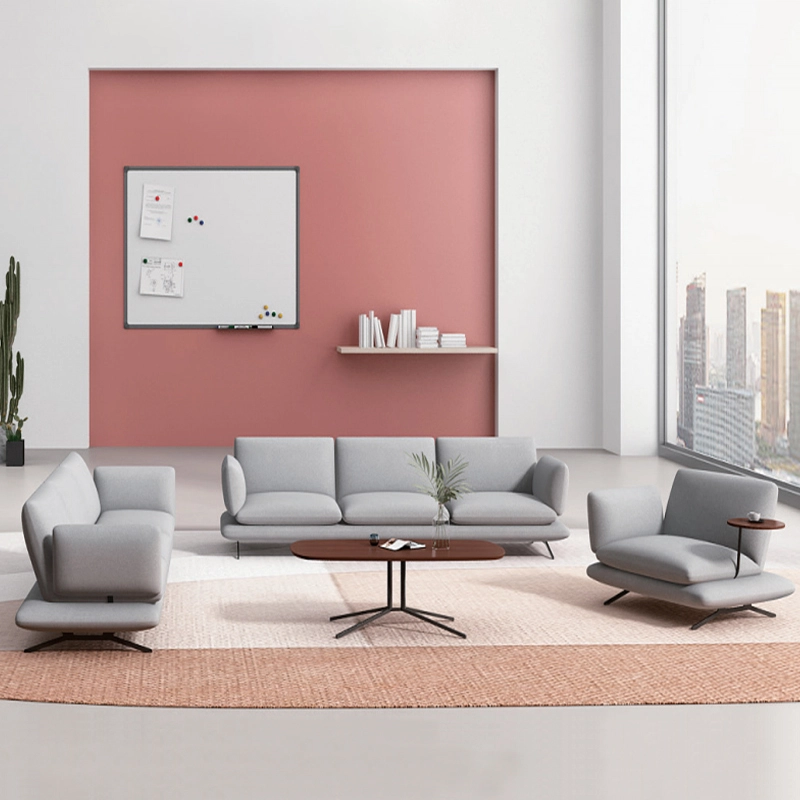
Modern Office Waiting Sofa Set Comfortable Lounge Seating
Customizable sofas, featuring a teddy fabric cover that's durable and stain-resistant. Customizable sizes are also available. This sofa features a sturdy frame and high-quality materials, making it suitable for everyday use. Its versatile design makes it ideal for living rooms, apartments, lounge areas, and even cozy reading nooks. It's more than just a sofa; it's a statement piece for stylish and intelligent living.

MEI YI Furniture × Hotel: Custom Furniture Empowers the Quality Upgrade of a National Hotel Brand
MEI YI Furniture partners with Hotel to deliver custom hotel furniture that combines high-efficiency and durability. This collaboration elevates the quality of a national hotel brand, showcasing MEI YI’s expertise in crafting tailored, long-lasting solutions for High Quality hospitality spaces.
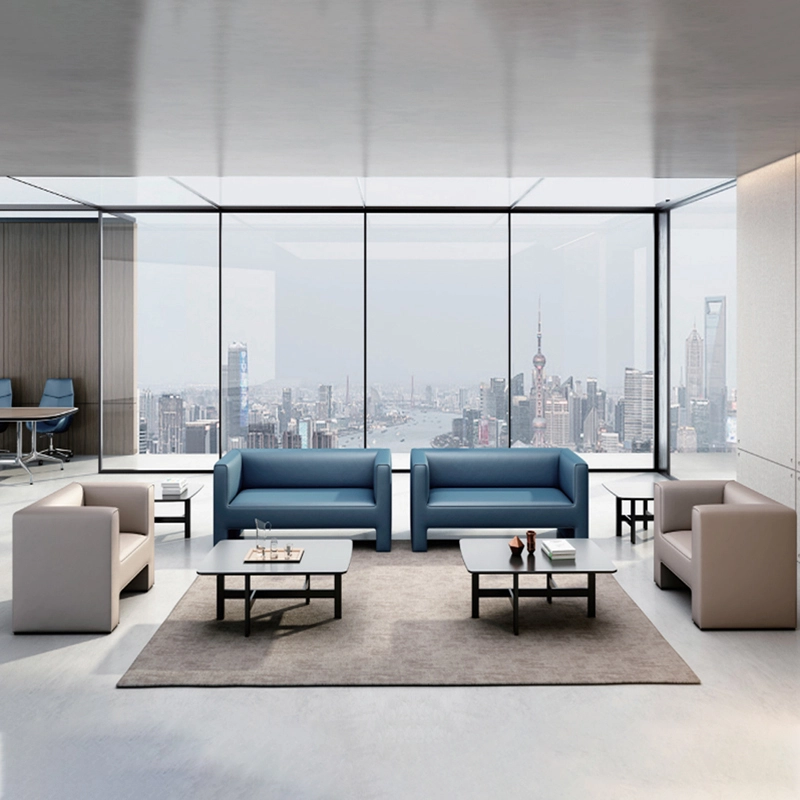
High Quality Wholesale Custom Furniture Waiting Sofa Modern Leisure Sofa
Customizable sofas, featuring a artificial leather cover that's durable and stain-resistant. Customizable sizes are also available. This sofa features a sturdy frame and high-quality materials, making it suitable for everyday use. Its versatile design makes it ideal for living rooms, apartments, lounge areas, and even cozy reading nooks. It's more than just a sofa; it's a statement piece for stylish and intelligent living.
Want to get more of our articles?
Contact one of our sales representatives or fill out this form.
MEI YI Furniture provides a one-stop service for the design, manufacturing, and customization of office, hotel, and school furniture.
Contact: Asya
Email: asya@myofficefurniture.com.cn
WhatsApp: +86 134 2216 1319
Address: No. 25, Nan Street, Jinpan, Zhongluotan Town, Baiyun District, Guangzhou, China.
Whatsapp: +8613422161319
Fackbook
Instagram
YouTube