





Customizable Workstations: Personalization for Teams
- Why Personalization Matters in Modern Office Workstations
- The Business Case for Personalized Office Workstations
- Ergonomics and Health Benefits of Office Workstations
- Productivity, Engagement and Retention with Office Workstations
- Key Customization Features for Office Workstations
- Design Principles for Effective Office Workstations
- Implementation Roadmap for Custom Office Workstations
- Pilot Phase: Select a Representative Team
- Refinement Phase: Analyze Data and Standardize Options
- Scale Phase: Rollout and Change Management
- Measuring ROI and Outcomes for Office Workstations
- Choosing a Manufacturer for Custom Office Workstations
- MEI YI Furniture: Custom Office Workstations and Capabilities
- Practical Tips: Specifying Custom Office Workstations
- Frequently Asked Questions about Office Workstations
- 1. What are the must-have features of a customizable office workstation?
- 2. How much should I budget per workstation for meaningful personalization?
- 3. Is personalization practical for shared or hot-desking environments?
- 4. How do I maintain ergonomic adjustments and ensure employees use them correctly?
- 5. What certifications or supplier assurances should I require?
- 6. Can modular office workstations reduce long-term costs?
- Next Steps & Contact
- References
Why Personalization Matters in Modern Office Workstations
Organizations redesigning workplaces today prioritize flexibility and human-centric design. Office workstations that allow personalization — from ergonomic adjustability to storage, acoustic control and integrated technology — directly affect employees’ comfort, focus and long-term health. This article breaks down the evidence, practical options and an actionable rollout path so facilities, HR and procurement teams can implement customizable workstations that serve teams, not just square footage.
The Business Case for Personalized Office Workstations
Personalization of office workstations is not a luxury: it’s an operational lever. Employers see three main business outcomes from well-designed, personalized workstations: reduced musculoskeletal complaints, higher individual productivity, and improved employee attraction and retention. Evidence from occupational health authorities shows ergonomically appropriate workstations reduce risk factors for work-related musculoskeletal disorders (WMSDs), which lowers absenteeism and medical costs. Beyond health, workplace research demonstrates that employees who can tailor their space report higher engagement and intent to stay.
Ergonomics and Health Benefits of Office Workstations
Ergonomic customization (height-adjustable desks, monitor-height adjustment, task lighting and seating options) addresses primary risk factors for WMSDs. Agencies such as OSHA and NIOSH emphasize workstation design and adjustment as central to preventing occupational injuries. By enabling individuals to set up a workstation that fits their body and tasks, organizations reduce cumulative strain and long-term health costs.
Productivity, Engagement and Retention with Office Workstations
Workstations that support personalization — whether through spatial control, storage choices, or acoustic solutions — help employees sustain focus and perform complex tasks. Surveys from workplace researchers show that perceived control over one’s environment correlates with job satisfaction and loyalty. For hybrid teams, providing personalization options when employees are in the office increases perceived value of the workspace and makes in-office days more productive.
Key Customization Features for Office Workstations
When specifying customizable office workstations, categorize features into ergonomic, spatial, acoustic, and technological layers. The table below compares common customization options, their primary benefits, and typical procurement cost level (relative low/medium/high). Costs vary by region and material choices; use relative levels for planning.
| Customization Feature | Primary Benefit | Typical Cost Level |
|---|---|---|
| Height-adjustable desk (electric/manual) | Improves posture, reduces sedentary time, supports standing work | Medium |
| Ergonomic task chair with adjustments | Reduces back/neck strain; supports prolonged seated work | Medium–High |
| Monitor arms & adjustable screens | Correct monitor height/angle; reduces eye/neck strain | Low–Medium |
| Personal storage & modular pedestal | Improves organization; reduces clutter and cognitive load | Low |
| Acoustic panels/shelves/hoods | Reduces distractions and improves speech privacy | Medium |
| Integrated power & data modules | Simplifies connectivity; supports hybrid tech needs | Medium |
| Personal lighting (task & adjustable) | Improves visual comfort and circadian support | Low–Medium |
| Surface finishes & color personalization | Supports identity, culture, and wayfinding | Low |
Design Principles for Effective Office Workstations
Good personalization follows principles that balance standardization and individual choice. Use a 'core + optional' approach: standardize base elements that ensure safety, serviceability and branding, and offer optional modules for individual needs. Key design principles include:
- Human-first ergonomics: Start with anthropometric and ergonomic data to set safe adjustment ranges.
- Modularity: Use interchangeable components so upgrades are simple and cost-effective.
- Simplicity of control: Make adjustments intuitive (clear labels, simple levers or presets) to encourage correct use.
- Durability and serviceability: Choose materials and mechanisms that withstand frequent adjustments and allow easy maintenance.
- Sustainability: Prefer certified materials (FSC, E1-grade boards) and recyclable components.
Implementation Roadmap for Custom Office Workstations
Rolling out personalized office workstations is best done in phases: pilot, refine, scale. A structured roadmap reduces risk and captures real-world user feedback.
Pilot Phase: Select a Representative Team
Pick 1–2 teams with diverse tasks (knowledge work, collaboration, focused work). Provide a selection of workstation options (2–3 chair models, adjustable desks, acoustic solutions). Track comfort, utilization and qualitative feedback for 6–12 weeks.
Refinement Phase: Analyze Data and Standardize Options
Use pilot data to identify 2–3 workstation 'packages' tailored to common work modes (focused, collaborative, hybrid). Finalize specifications, maintenance plan, and procurement strategy.
Scale Phase: Rollout and Change Management
Stagger rollouts by department, provide ergonomic training, and supply quick-reference setup guides. Maintain an inventory of spare parts and a simple reporting process for repairs or adjustments.
Measuring ROI and Outcomes for Office Workstations
Define clear metrics before rollout. Recommended KPIs:
- Health outcomes: reduction in reported discomfort or WMSD claims (pre/post surveys)
- Productivity indicators: self-reported productivity, task completion rates, meeting efficiency
- Utilization: desk and feature usage rates (sensor or booking data for shared desks)
- Recruiting & retention: changes in offers acceptance and voluntary turnover
- Operational: maintenance requests, lifecycle cost per workstation
Collect both quantitative and qualitative data. Occupational health sources indicate that ergonomic interventions often yield measurable reductions in discomfort and associated costs; organizations can compare intervention costs to estimated savings from reduced absenteeism and medical claims to build a business case (see References).
Choosing a Manufacturer for Custom Office Workstations
Selecting a supplier is a strategic decision. Key selection criteria include demonstrated experience in custom office workstations, production capacity, certification and quality control, design collaboration and warranty/service levels. Evaluate a potential partner on these dimensions, request references for similar projects, and ask for CAD/3D samples and lifecycle assessments.
MEI YI Furniture: Custom Office Workstations and Capabilities
MEI YI Furniture: Custom Furniture Manufacturer — with 16+ years of expertise, MEI YI designs and manufactures High Quality furniture for offices, hotels, schools, healthcare, and public spaces globally. Our end-to-end solutions include design, production, customization and after-sales support. MEI YI’s main products include office furniture, hotel furniture, residential furniture, whole-home furniture, and custom steel & wood furniture. Core capabilities that make MEI YI a competitive partner for custom office workstations:
- 25,000 m² factory and 100+ professionals, enabling consistent project management and delivery.
- 20,000+ units/year capacity with 10+ advanced production lines to support medium-to-large rollouts.
- ISO/CE/FSC-certified manufacturing and use of E1-grade eco-friendly materials to meet sustainability and quality standards.
- Full quality control with rigorous inspections from raw materials to finished products, factory-direct value via OEM/ODM, plus a 5-year warranty and free CAD/3D design support.
- Global experience and a multilingual team that handles international projects end-to-end.
Why MEI YI stands out for office workstations:
- Integrated design-to-delivery workflow reduces lead time and risk during customization.
- Strong quality assurance and certifications give buyers confidence in lifecycle performance.
- Factory-direct pricing and warranty support simplify procurement and total cost of ownership calculations.
MEI YI’s track record delivering office furniture, hotel furniture and school furniture demonstrates cross-sector expertise that benefits complex office projects—particularly when acoustic, durability and multi-user requirements intersect.
Practical Tips: Specifying Custom Office Workstations
Procurement teams should include the following in specifications to ensure personalization delivers value:
- Minimum adjustment ranges for desks and monitors based on anthropometric data.
- Serviceability clauses: spare parts availability, lead times for common repairs.
- Material and finish options, including FSC- or E1-grade boards where sustainability is required.
- Warranty, inspection procedures and on-site setup support.
- Design review cycles with CAD/3D mockups and an on-site pilot option.
Frequently Asked Questions about Office Workstations
1. What are the must-have features of a customizable office workstation?
Must-have features include height-adjustability (desk and monitor), an ergonomically adjustable chair, integrated power/data access, and basic acoustic control. These elements address posture, connectivity and distraction management—the core needs of most knowledge workers.
2. How much should I budget per workstation for meaningful personalization?
Budget depends on market, material and scale, but plan for a baseline that covers a height-adjustable desk, a quality ergonomic chair and monitor arm. Using the relative cost table above, expect a medium-range investment per person for durable, adjustable solutions. For a precise number, request quotes from manufacturers with CAD/3D mockups and total lifecycle cost estimates.
3. Is personalization practical for shared or hot-desking environments?
Yes—design with modular, easy-to-adjust components and use quick-registration presets where possible. Shared desks benefit from universal adjustability and streamlined controls so different users can reset quickly. Consider lightweight personal storage and portable privacy modules for hybrid teams.
4. How do I maintain ergonomic adjustments and ensure employees use them correctly?
Provide short ergonomic training, setup cards at each workstation, and an initial one-on-one setup assistance during rollout. Regular reminders and periodic check-ins (or digital guides) help sustain correct use. Include maintenance contracts for moving parts like electric actuators.
5. What certifications or supplier assurances should I require?
Ask for ISO quality management evidence, FSC or equivalent for timber sourcing, and CE compliance for electrical components where applicable. Also request material safety data, E1-grade board certification for low formaldehyde emissions, and documented quality inspection processes.
6. Can modular office workstations reduce long-term costs?
Yes. Modular, serviceable designs allow easier repairs and upgrades (e.g., replacing a worn surface or upgrading a monitor arm) rather than full replacement. This lowers lifecycle costs and environmental impact when compared with monolithic systems.
Next Steps & Contact
To move from planning to a practical pilot, assemble a cross-functional team (facilities, HR, IT, procurement) and select a representative pilot group. If you’re evaluating manufacturers, request CAD/3D design samples, a clear warranty and maintenance plan, and references from similar projects.
For tailored solutions, product samples and project consultations, contact MEI YI Furniture to discuss custom office workstations, pilot programs and full-scale rollouts. Visit MEI YI’s product pages or request a free CAD/3D design and 5-year warranty proposal to assess fit for your campus or offices.
References
1. Occupational Safety and Health Administration (OSHA) — Ergonomics. https://www.osha.gov/ergonomics (accessed 2025-12-18).
2. National Institute for Occupational Safety and Health (NIOSH) — Ergonomics and Musculoskeletal Health. https://www.cdc.gov/niosh/topics/ergonomics/default. (accessed 2025-12-18).
3. World Health Organization (WHO) — Healthy Workplaces: A Model for Action: For Employers, Workers, Policymakers and Practitioners. https://www.who.int/occupational_health/healthy_workplace_framework_guidelines.pdf (accessed 2025-12-18).
4. Gensler — U.S. Workplace Survey 2021 (research insights on workplace preferences and design). https://www.gensler.com/research-insight/gensler-us-workplace-survey-2021 (accessed 2025-12-18).
5. Workstation (computer) — Wikipedia (background on workstation concept and evolution). https://en.wikipedia.org/wiki/Workstation_(computer) (accessed 2025-12-18).
6. ISO — International Organization for Standardization (for ISO certification context). https://www.iso.org/home. (accessed 2025-12-18).
7. Forest Stewardship Council (FSC) — Certification overview. https://fsc.org/en (accessed 2025-12-18).
8. CE marking information — European Commission. https://ec.europa.eu/growth/single-market/ce-marking_en (accessed 2025-12-18).
For direct consultation on custom office workstations and to view MEI YI Furniture’s product offerings, contact MEI YI Furniture: Custom Furniture Manufacturer — offering full design, production and after-sales support with factory-direct value and global delivery capabilities.
Cable Management Solutions for CEO Office Desks
Built-In Tech: Smart CEO Desks for the Modern Office
Personalization Options: Inlays, Hardware, and Engraving
Security Features for CEO Desks: Locks and Safes
Service
ls there cheap shipping cost to import to our country?
For small order,express will be best. And for bulk order,sea ship way is best but take much time; For urgent orders,we suggest via air to airport plus our ship partner send to your door. When we calculate the freight for you, we will choose the cheapest,safest express company. lt is the freight company that asks us to pay, so we can not make it cheaper. lf you have your own agent in China, we can send the package to your agent.
What's your products range?
1.Whether you need office furniture, home furniture, hotel furniture, school furniture.or special custom furniture products, we can meet your requirements.
2.-Products including office table, office chair, office filing cabinet, office workstation,Office sofa, office reception ,office conference room and so on, Simple Leisure Sets etc.
Why choose us?
A. Business Type: Furniture Manufacture,Production and export trade experience: Over 15 years Factory area:10000 + square meters Member:>100 staffs Design Team: Minimum 20 pax to organize
B.Customization: Welcome to OEM and ODM or Project.
C.Delivery:15days for 20GP, 25days for 40HQ.
D. Testing center is available in our factory, and regularly through national authoritative organization authoritative authentication, ensure that each product is qualified. E.Competitive price from factory directly.
Can you handle small orders ?
Of course, in order to support clients' business, We also take small orders.

MEIYI Hotel Full-House Custom Furniture Solutions
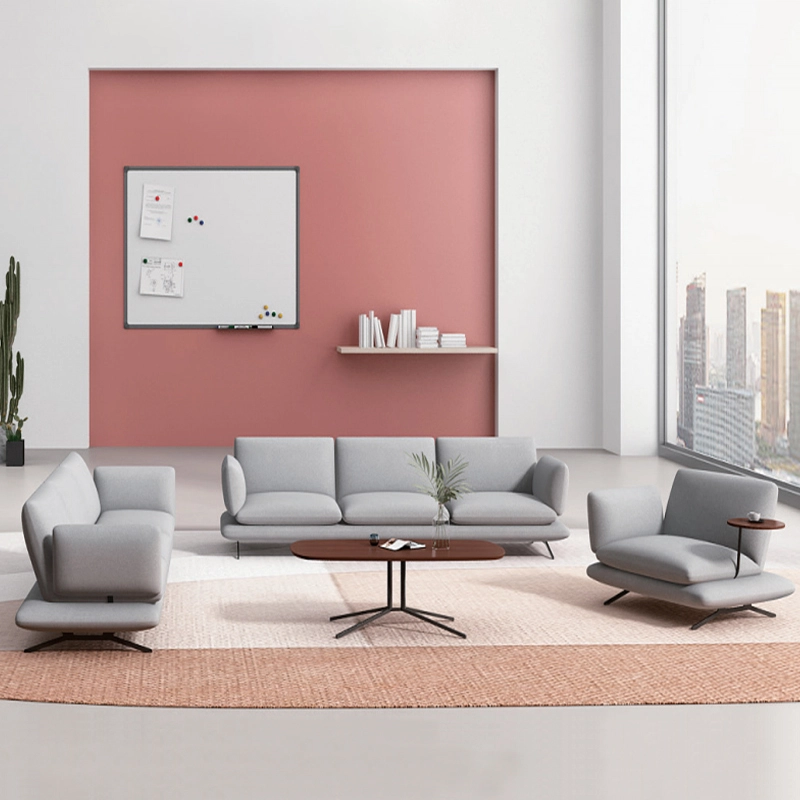
Modern Office Waiting Sofa Set Comfortable Lounge Seating
Customizable sofas, featuring a teddy fabric cover that's durable and stain-resistant. Customizable sizes are also available. This sofa features a sturdy frame and high-quality materials, making it suitable for everyday use. Its versatile design makes it ideal for living rooms, apartments, lounge areas, and even cozy reading nooks. It's more than just a sofa; it's a statement piece for stylish and intelligent living.

MEI YI Furniture × Hotel: Custom Furniture Empowers the Quality Upgrade of a National Hotel Brand
MEI YI Furniture partners with Hotel to deliver custom hotel furniture that combines high-efficiency and durability. This collaboration elevates the quality of a national hotel brand, showcasing MEI YI’s expertise in crafting tailored, long-lasting solutions for High Quality hospitality spaces.
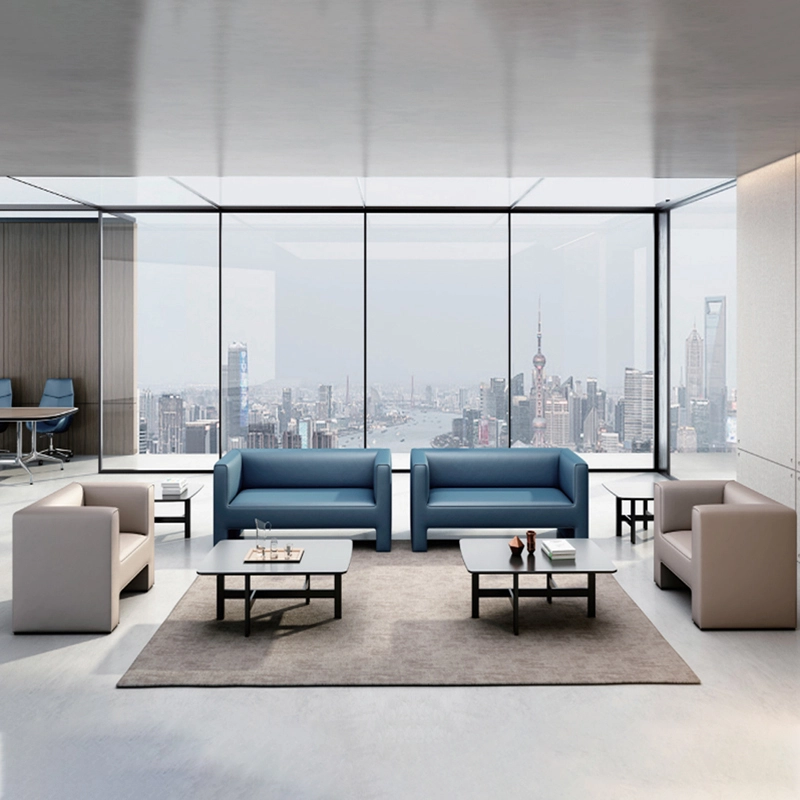
High Quality Wholesale Custom Furniture Waiting Sofa Modern Leisure Sofa
Customizable sofas, featuring a artificial leather cover that's durable and stain-resistant. Customizable sizes are also available. This sofa features a sturdy frame and high-quality materials, making it suitable for everyday use. Its versatile design makes it ideal for living rooms, apartments, lounge areas, and even cozy reading nooks. It's more than just a sofa; it's a statement piece for stylish and intelligent living.
Want to get more of our articles?
Contact one of our sales representatives or fill out this form.
MEI YI Furniture provides a one-stop service for the design, manufacturing, and customization of office, hotel, and school furniture.
Contact: Asya
Email: asya@myofficefurniture.com.cn
WhatsApp: +86 134 2216 1319
Address: No. 25, Nan Street, Jinpan, Zhongluotan Town, Baiyun District, Guangzhou, China.
Whatsapp: +8613422161319
Fackbook
Instagram
YouTube