





Contract-grade contemporary office furniture: specs and certifications
- Choosing durable, code-compliant office furnishings
- Key performance specifications for contract-grade contemporary office furniture
- Load, structural and durability benchmarks
- Materials, surface performance and fire safety
- Ergonomics and adjustability
- Certifications and what they mean in practice
- Safety and structural standards: BIFMA, ANSI, ISO
- Indoor air quality and chemical emissions
- Sustainability chain-of-custody: FSC and related marks
- Practical comparison: certifications, typical test metrics and procurement implications
- How to write specifications and evaluate suppliers
- Performance-based spec language
- Request and verify documentation
- Warranty, spare parts and lifecycle planning
- Materials and construction choices for contemporary aesthetics and longevity
- Frame and structure options
- Upholstery, foam and surface finishes
- Accessibility, maintenance and disassembly
- MEI YI Furniture: factory capabilities, compliance and how we meet contract needs
- Factory scale, capacity and certifications
- Quality control, design and warranty
- Main products and project experience
- Procurement checklist for specifying contemporary contract furniture
- Minimum documentation checklist
- On-site verification and sample testing
- Lifecycle cost and sustainability considerations
- Frequently asked questions (FAQ)
- 1. What defines contract-grade contemporary office furniture?
- 2. Which certifications should I require for indoor air quality?
- 3. Are BIFMA standards mandatory?
- 4. How long should a contract warranty be?
- 5. Can contemporary designs meet sustainability and accessibility codes?
- 6. How does MEI YI support large international projects?
- References and further reading
Choosing durable, code-compliant office furnishings
Contract environments demand contemporary office furniture that balances aesthetics, ergonomics, durability, and regulatory compliance. Buyers need to understand the technical specs and certifications that separate commercial-grade systems from retail-grade products. This article explains performance metrics, common standards and certifications, test methods, and procurement best practices for contemporary office furniture used in offices, co-working spaces, and other public interior projects.
Key performance specifications for contract-grade contemporary office furniture
Load, structural and durability benchmarks
Contract furniture must withstand heavy, continuous use. Typical test criteria include static load capacity for desks and tables, dynamic fatigue testing for chair mechanisms, and cycle testing for drawer slides and hinges. Common targets: seating should meet or exceed ANSI/BIFMA X5.1 or equivalent seating durability cycles; work surfaces should support specified point and distributed loads per manufacturer data.
Materials, surface performance and fire safety
Materials selection affects longevity and safety. For upholstered seating, fabrics and foams should meet abrasion and pilling resistance thresholds. Wood and composite panels must meet formaldehyde emission classes (E1 or CARB Phase 2). Upholstered items often require compliance with regional fire performance standards such as BS 5852 or EN 1021 series where applicable.
Ergonomics and adjustability
Contemporary contract seating and workstations should support ergonomics: multi-axis adjustability, recommended seat pan depth and height ranges, lumbar support adjustability, and stable height-adjustable desks with reliable lift mechanisms and safety limits. Look for specified adjustment ranges and tested duty cycles for height-adjustment motors.
Certifications and what they mean in practice
Safety and structural standards: BIFMA, ANSI, ISO
BIFMA (Business and Institutional Furniture Manufacturers Association) standards such as ANSI/BIFMA X5.1 (seating) and related product standards provide repeatable protocols for structural and durability testing. ISO 9001 addresses quality management systems in manufacturing and is a commonly requested factory-level certification.
Indoor air quality and chemical emissions
Indoor air quality certifications reduce risk and support WELL/LEED intents. Notable certifications include:
- GREENGUARD and GREENGUARD Gold: certifies low chemical emissions suitable for sensitive environments
- CARB Phase 2 / EPA TSCA Title VI (US) and E1 (EU/GB) emission requirements: regulate formaldehyde emissions from engineered wood products
Sustainability chain-of-custody: FSC and related marks
FSC chain-of-custody certification ensures wood and wood-derived materials are sourced from responsibly managed forests. For projects targeting green building credits, FSC-certified components are often required or preferred.
Practical comparison: certifications, typical test metrics and procurement implications
| Certification / Standard | What it tests / ensures | Why buyers care | Typical procurement requirement |
|---|---|---|---|
| ANSI/BIFMA X5.1 (Seating) | Structural strength, stability, durability cycles, safety of seating | Provides repeatable proof of commercial durability | Require test reports or manufacturer certification to BIFMA |
| GREENGUARD / GREENGUARD Gold | VOC emissions testing under standardized chamber conditions | Safer for indoor air, supports LEED/WELL points | Specify GREENGUARD Gold for sensitive environments like healthcare |
| CARB Phase 2 / TSCA Title VI / E1 | Formaldehyde emissions from composite wood products | Regulatory compliance for many jurisdictions; protects occupant health | Require CARB Phase 2 or equivalent compliance for panels |
| FSC Chain-of-Custody | Responsible sourcing and traceability of wood | Needed for sustainability certifications and corporate sourcing policies | Request FSC-certified content or alternatives (PEFC) where specified |
| ISO 9001 / ISO 14001 | Quality management and environmental management systems | Indicates mature manufacturing and environmental controls | Prefer suppliers with ISO systems for large contracts |
Data sources: BIFMA standards and certification program details, GREENGUARD program, CARB and TSCA Title VI documentation, FSC chain-of-custody guidance, ISO registries. See references below for links.
How to write specifications and evaluate suppliers
Performance-based spec language
Write specifications that reference measurable performance and test standards rather than brand names alone. Examples: 'Seating shall meet ANSI/BIFMA X5.1 stability and durability requirements and be rated for heavy commercial use' or 'Work surfaces shall limit deflection under a 100 kg point load to X mm and use CARB Phase 2 compliant panels.'
Request and verify documentation
Ask for third-party test reports, certificate numbers (e.g. GREENGUARD certificate ID, FSC certificate code), ISO registration copies, and factory audit reports. Verify certificates on issuing-body websites and request recent test dates. For large projects, include site inspections or independent testing clauses.
Warranty, spare parts and lifecycle planning
Contract buyers should require multi-year warranties, guaranteed spare-part availability, and service-level commitments. Typical commercial warranties range from 3 to 10 years depending on product class and custom agreements. Factor expected lifecycle costs, not just purchase price.
Materials and construction choices for contemporary aesthetics and longevity
Frame and structure options
Steel frames offer high load capacity and durability for modular systems; engineered wood and veneers deliver a contemporary look when made with E1 or CARB-compliant substrates. Powder-coated steel and anodized aluminum finishes offer robust surface performance in high-use areas.
Upholstery, foam and surface finishes
Choose commercial-grade textiles with high double-rub abrasion ratings, and use high-resilience foams that retain comfort over years of use. For surfaces, consider HPL, solid-surface, or lacquered finishes specified with scratch, stain and cleanability ratings suited to the environment.
Accessibility, maintenance and disassembly
Design for maintenance: replaceable upholstery panels, modular components and ease of disassembly extend service life and reduce long-term cost. Where sustainability targets exist, specify materials with recycling routes or reclaimed content.
MEI YI Furniture: factory capabilities, compliance and how we meet contract needs
MEI YI Furniture is a custom furniture manufacturer with 16+ years of experience designing and producing High Quality furniture for offices, hotels, schools, healthcare, and public spaces globally. Our end-to-end solutions cover design, production, customization, and after-sales support. Below is a concise summary of how MEI YI aligns with contract specification requirements.
Factory scale, capacity and certifications
- 25,000 m² factory and 10+ advanced production lines providing a capacity of 20,000+ units per year
- ISO and CE processes in place; FSC-certified manufacturing for responsible wood sourcing
- E1-grade eco-friendly materials and quality control systems to ensure low formaldehyde emissions
Quality control, design and warranty
- Full quality control spanning raw material inspection to final product testing and inspection
- Factory-direct value with OEM/ODM services, free CAD/3D design support, and a standard 5-year warranty on core products
- Multilingual global project team experienced in international standards, logistics and after-sales coordination
Main products and project experience
MEI YI produces contract-grade office furniture, hotel furniture, and school furniture with bespoke steel and wood solutions. The company emphasizes functional aesthetics, rigorous testing, and supply-chain transparency to meet public and private sector procurement needs.
| MEI YI Strength | How this helps contract buyers |
|---|---|
| In-house testing and QC | Faster verification of BIFMA-equivalent performance, custom testing available on request |
| Certifications (ISO/CE/FSC) and E1 materials | Supports international compliance, green building and low-emission requirements |
| OEM/ODM and design support | Custom solutions to match project standards, finishes, and functional specs with factory-level pricing |
For specification-driven projects, MEI YI can provide documentation for ISO registrations, FSC chain-of-custody certificates, material test reports, emission certificates, and product-specific test reports. For architects and procurement teams, our team offers free CAD and 3D design that integrates required performance specifications early in the design process.
Procurement checklist for specifying contemporary contract furniture
Minimum documentation checklist
- Third-party test reports for structural and durability standards (e.g., BIFMA-equivalent)
- VOC and formaldehyde emission certificates (GREENGUARD, CARB/TSCA or equivalent)
- Factory certifications (ISO 9001, ISO 14001) and FSC or other chain-of-custody documentation where wood is specified
- Warranty, spare parts policy and service-level agreement
On-site verification and sample testing
Include sample approvals and, where budgets allow, independent third-party testing for critical components. Specify acceptance criteria and remedy processes if performance targets are not met at site delivery.
Lifecycle cost and sustainability considerations
Evaluate TCO: initial cost, maintenance, spare-part availability and end-of-life options. Prioritize reusable and recyclable components where sustainability goals or certifications are targeted.
Frequently asked questions (FAQ)
1. What defines contract-grade contemporary office furniture?
Contract-grade furniture is engineered and tested for frequent, heavy commercial use. It meets stricter structural, durability and safety tests, uses commercial-grade materials and usually carries longer warranties. Contemporary describes the aesthetic—clean lines, modern materials and finishes—while contract-grade ensures it will hold up in daily commercial operations.
2. Which certifications should I require for indoor air quality?
Popular certifications include GREENGUARD or GREENGUARD Gold for VOC emissions and CARB Phase 2/TSCA Title VI or E1 classification for formaldehyde emissions from composite wood. These support LEED/WELL credits and reduce occupant exposure to harmful chemicals.
3. Are BIFMA standards mandatory?
BIFMA standards are voluntary consensus standards widely adopted in North America and globally as benchmarks for durability and safety. Many specifiers require BIFMA-compliant products or equivalent independent test reports.
4. How long should a contract warranty be?
Warranties vary by product class. Typical commercial warranties range from 3 to 10 years. For seating and systems furniture, 5 years is common; for structural components, longer warranties may be negotiated. Ensure spare parts availability is contractually guaranteed.
5. Can contemporary designs meet sustainability and accessibility codes?
Yes. Contemporary designs can use responsibly sourced materials, low-VOC finishes and modular construction for repairability. Accessibility is addressed through ergonomic design, appropriate clearances, and adjustable furniture to meet local accessibility regulations.
6. How does MEI YI support large international projects?
MEI YI provides end-to-end support: free CAD/3D design, sample production, product testing documentation, multilingual project coordination, logistic planning and after-sales service. Factory capacity and quality systems enable consistent delivery for large orders.
Contact MEI YI Furniture to request technical files, sample units or a project quote. For consultations or to view product portfolios, reach out to our sales team for custom solutions and CAD support.
References and further reading
- BIFMA — Business and Institutional Furniture Manufacturers Association. Standards and testing programs. https://www.bifma.org/ (accessed 2026-01-11)
- UL GREENGUARD Certification Program. https://www.ul.com/services/greenguard-certification-program (accessed 2026-01-11)
- California Air Resources Board (CARB) — Formaldehyde Emission Standards for Composite Wood Products. https://ww2.arb.ca.gov/our-work/programs/formaldehyde (accessed 2026-01-11)
- Forest Stewardship Council (FSC) — Chain of Custody certification. https://www.fsc.org/ (accessed 2026-01-11)
- ISO — International Organization for Standardization. ISO 9001 and ISO 14001 information. https://www.iso.org/ (accessed 2026-01-11)
- European formaldehyde emission classes (E1) and related standards overview. https://en.wikipedia.org/wiki/Formaldehyde_(gas)#Sources_and_health_effects (accessed 2026-01-11)
For specific test report verification or to request MEI YI's compliance documentation, contact MEI YI Furniture's technical sales team. We can provide certificate numbers, recent test reports and reference projects to support procurement requirements.
Request a free consultation or product catalog from MEI YI Furniture today and get custom CAD/3D design support for your next contract contemporary office project.
Cost-Benefit Analysis of Contemporary Office Furniture for Corporates
Customizable Workstation Office Kits: Manufacturing Tips
Wholesale ceo office desk luxury manufacturer and supplier in us
Open-Plan Office Workstations: Design and Productivity Tips
Service
What's your products range?
1.Whether you need office furniture, home furniture, hotel furniture, school furniture.or special custom furniture products, we can meet your requirements.
2.-Products including office table, office chair, office filing cabinet, office workstation,Office sofa, office reception ,office conference room and so on, Simple Leisure Sets etc.
Why choose us?
A. Business Type: Furniture Manufacture,Production and export trade experience: Over 15 years Factory area:10000 + square meters Member:>100 staffs Design Team: Minimum 20 pax to organize
B.Customization: Welcome to OEM and ODM or Project.
C.Delivery:15days for 20GP, 25days for 40HQ.
D. Testing center is available in our factory, and regularly through national authoritative organization authoritative authentication, ensure that each product is qualified. E.Competitive price from factory directly.
Can you handle small orders ?
Of course, in order to support clients' business, We also take small orders.
ls there cheap shipping cost to import to our country?
For small order,express will be best. And for bulk order,sea ship way is best but take much time; For urgent orders,we suggest via air to airport plus our ship partner send to your door. When we calculate the freight for you, we will choose the cheapest,safest express company. lt is the freight company that asks us to pay, so we can not make it cheaper. lf you have your own agent in China, we can send the package to your agent.
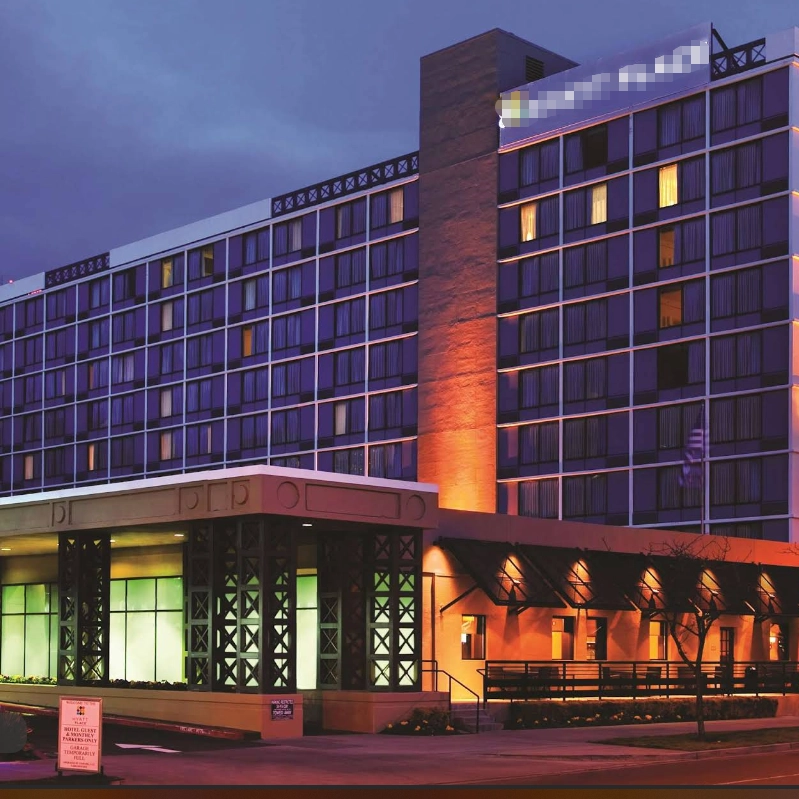
MEIYI Hotel Full-House Custom Furniture Solutions
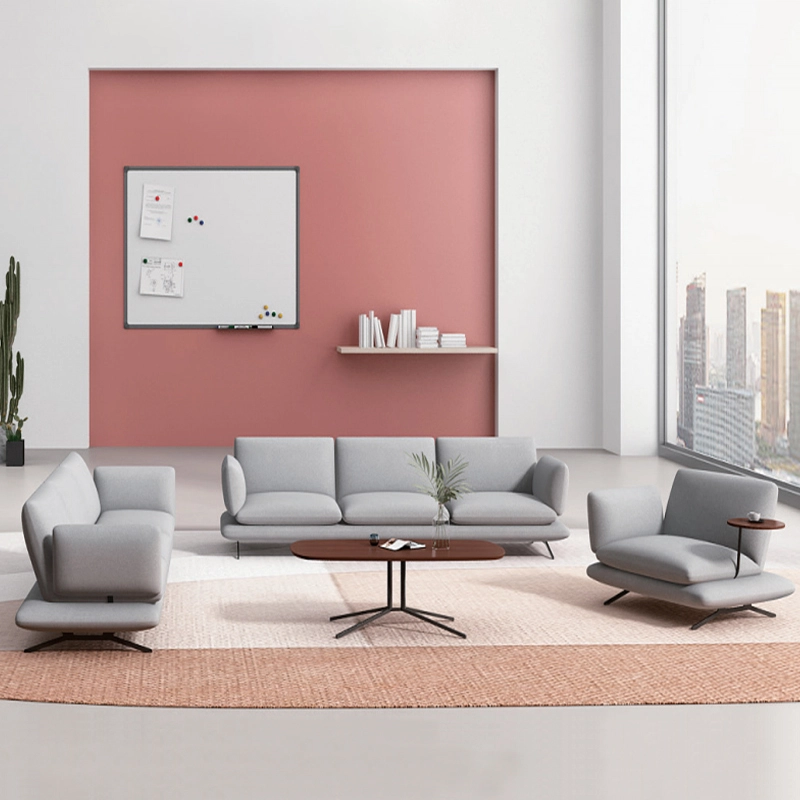
Modern Office Waiting Sofa Set Comfortable Lounge Seating
Customizable sofas, featuring a teddy fabric cover that's durable and stain-resistant. Customizable sizes are also available. This sofa features a sturdy frame and high-quality materials, making it suitable for everyday use. Its versatile design makes it ideal for living rooms, apartments, lounge areas, and even cozy reading nooks. It's more than just a sofa; it's a statement piece for stylish and intelligent living.

MEI YI Furniture × Hotel: Custom Furniture Empowers the Quality Upgrade of a National Hotel Brand
MEI YI Furniture partners with Hotel to deliver custom hotel furniture that combines high-efficiency and durability. This collaboration elevates the quality of a national hotel brand, showcasing MEI YI’s expertise in crafting tailored, long-lasting solutions for High Quality hospitality spaces.
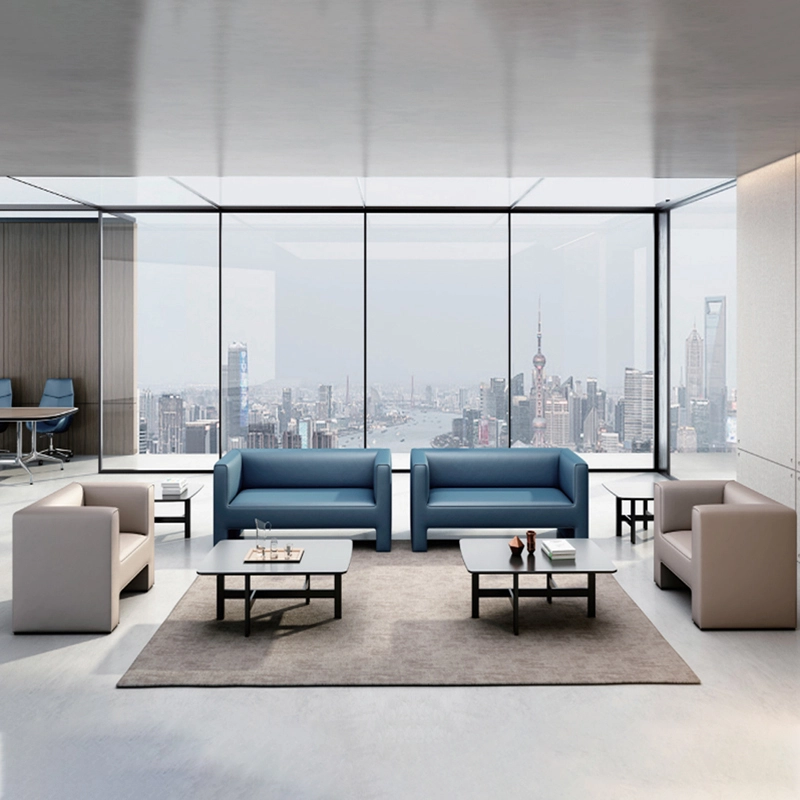
High Quality Wholesale Custom Furniture Waiting Sofa Modern Leisure Sofa
Customizable sofas, featuring a artificial leather cover that's durable and stain-resistant. Customizable sizes are also available. This sofa features a sturdy frame and high-quality materials, making it suitable for everyday use. Its versatile design makes it ideal for living rooms, apartments, lounge areas, and even cozy reading nooks. It's more than just a sofa; it's a statement piece for stylish and intelligent living.
Want to get more of our articles?
Contact one of our sales representatives or fill out this form.
MEI YI Furniture provides a one-stop service for the design, manufacturing, and customization of office, hotel, and school furniture.
Contact: Asya
Email: asya@myofficefurniture.com.cn
WhatsApp: +86 134 2216 1319
Address: No. 25, Nan Street, Jinpan, Zhongluotan Town, Baiyun District, Guangzhou, China.
Whatsapp: +8613422161319
Fackbook
Instagram
YouTube